Veteran Accused of Leaking Elite Unit Secrets: A National Security Test
A former Army contractor, Courtney Williams, faces charges under the Espionage Act for allegedly leaking classified details about an elite commando unit to a journalist. The FBI's arrest highlights the ongoing tension between national security and public information.

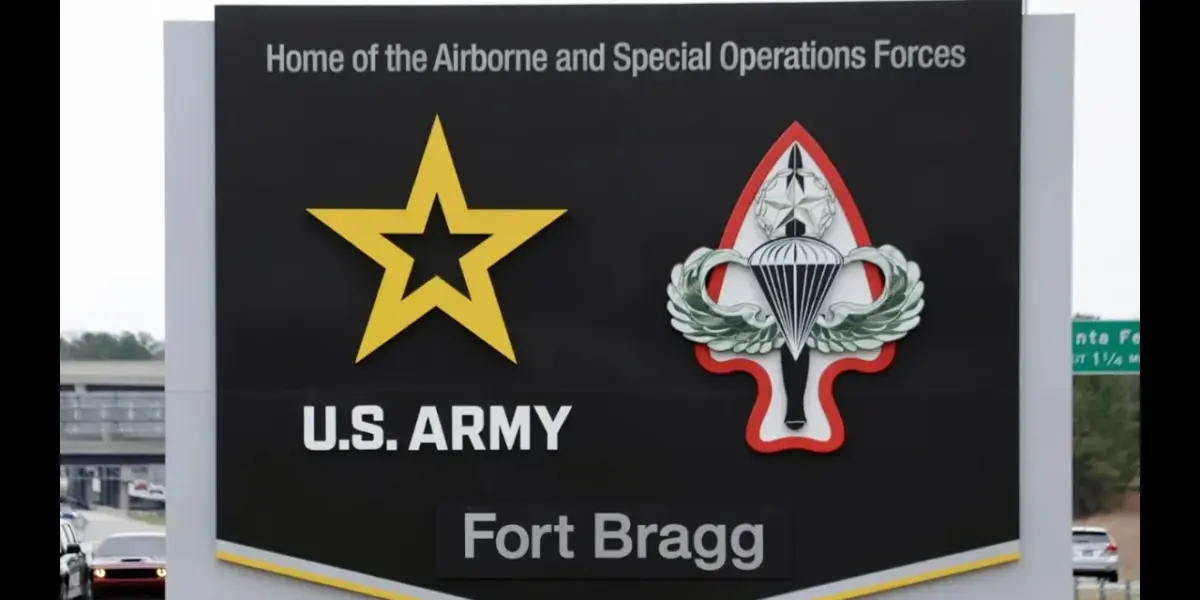
Veteran Accused of Leaking Elite Unit Secrets
A former Army contractor, Courtney Williams, is facing serious charges for allegedly leaking classified military information. The FBI arrested Williams, who previously worked at Fort Bragg. She is accused of sharing sensitive details about a top special forces unit. These charges come under the Espionage Act, a law designed to protect national security information.
Details of the Allegations
Prosecutors state that Williams held a top-secret security clearance. This clearance gave her access to classified national defense information while she was supporting military operations. Investigators believe she communicated with a journalist over several years. During this time, they allegedly exchanged more than 180 messages and spent hours on phone calls. Some of the information she is accused of sharing later appeared in a published article and a book.
The authorities have identified Williams as the source for this published material. The information allegedly revealed details about an elite commando unit. This is a critical point, as such units often operate with extreme secrecy to protect their missions and personnel.
The Espionage Act and Its Implications
The Espionage Act of 1917 is a U.S. federal law. It was enacted during World War I to prevent spying and the disclosure of information that could harm national defense. This law carries severe penalties, including lengthy prison sentences. Charging someone under this act signals the government’s view that the information shared poses a significant risk to national security.
This case highlights the ongoing tension between national security interests and the public’s right to information. Whistleblowers often argue they are acting in the public interest by exposing wrongdoing or informing the public about government actions. However, the government’s priority is to protect classified information that could jeopardize ongoing operations, intelligence sources, or the safety of military personnel.
Historical Context
The U.S. has a history of prosecuting individuals for leaking classified information. Notable cases include Daniel Ellsberg, who leaked the Pentagon Papers in 1971, revealing government deception about the Vietnam War. More recently, Edward Snowden leaked classified documents from the National Security Agency (NSA) in 2013, exposing extensive global surveillance programs. Each case raises complex questions about government transparency, individual rights, and the definition of national security.
The legal framework surrounding classified information is constantly being tested. The government aims to maintain secrecy for legitimate security reasons. Meanwhile, groups advocating for greater transparency often argue that too much information is classified, hindering public debate and accountability.
Official Response and Warning
FBI Director Cash Patel has issued a strong warning regarding this case. He stated that the arrest should send a clear message. The FBI will not tolerate individuals who betray the country by leaking classified information. This statement emphasizes the government’s firm stance on protecting national secrets.
The prosecution of Courtney Williams is likely intended to deter others from similar actions. It underscores the potential consequences for those who handle classified information inappropriately. The government views such leaks as a direct threat to its ability to conduct sensitive operations and protect its interests.
Why This Matters
This case is important because it touches on fundamental issues of national security, free speech, and the public’s right to know. It forces us to consider where the line should be drawn between protecting vital government secrets and allowing the public access to information. The actions of individuals like Courtney Williams, whether viewed as whistleblowing or betrayal, have significant ripple effects.
The outcome of this case could influence how future leaks are handled and how laws like the Espionage Act are applied. It also raises questions about the security measures in place for handling classified data and the vetting process for individuals who gain access to it. The government’s ability to maintain secrecy is crucial for effective defense and intelligence operations, but public trust is also vital.
Trends and Future Outlook
The digital age has made the sharing of information easier than ever before. This trend presents ongoing challenges for national security agencies. They must constantly adapt their methods for protecting classified data in an environment where leaks can spread rapidly online.
We can expect continued legal battles and public debate over classified information. Cases like this one will likely shape future policies and public perception regarding whistleblowers and national security. The balance between security and transparency remains a delicate and evolving issue.
Source: Army Veteran Charged With Sharing Classified Details of Elite Commando Unit (YouTube)

Related Articles


Lawmakers Probe Geopolitical Betting Platform for Insider Trading
Lawmakers are demanding an investigation into the prediction market platform Polymarket due to anonymous bets placed on major geopolitical events hours before they happened. Concerns are mounting over potential insider trading and national security risks, as the platform's use of cryptocurrency makes user identities difficult to trace.

US Streamlines Draft List Amid Global Uncertainty
The U.S. is automatically adding men aged 18-25 to the Selective Service list, a potential draft registry. This administrative change, approved by Congress, aims to create a more complete list without requiring manual sign-ups. It does not, however, reinstate the military draft, which would require new laws and presidential approval.

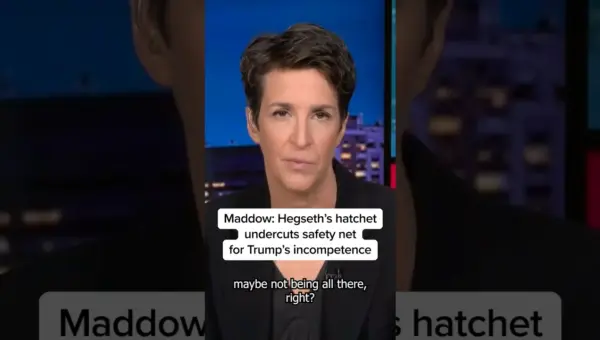
Maddow: Hegseth’s Firings Harm Military Safety Net
Rachel Maddow criticizes Pete Hegseth's "frenzy of firings" of top U.S. military leaders, arguing it undermines the military's ability to withstand political incompetence. This disruption, she warns, occurs at a critical time for national security, weakening the nation's defenses.