Vessel Ablaze in Strait of Hormuz Amidst Tensions
A vessel is reportedly ablaze in the Strait of Hormuz, a critical global shipping lane currently under significant disruption by Iranian military actions. The incident occurs as hundreds of ships wait to transit, highlighting the escalating tensions and severe economic impact on global oil markets.

Vessel Ablaze in Strait of Hormuz Amidst Tensions
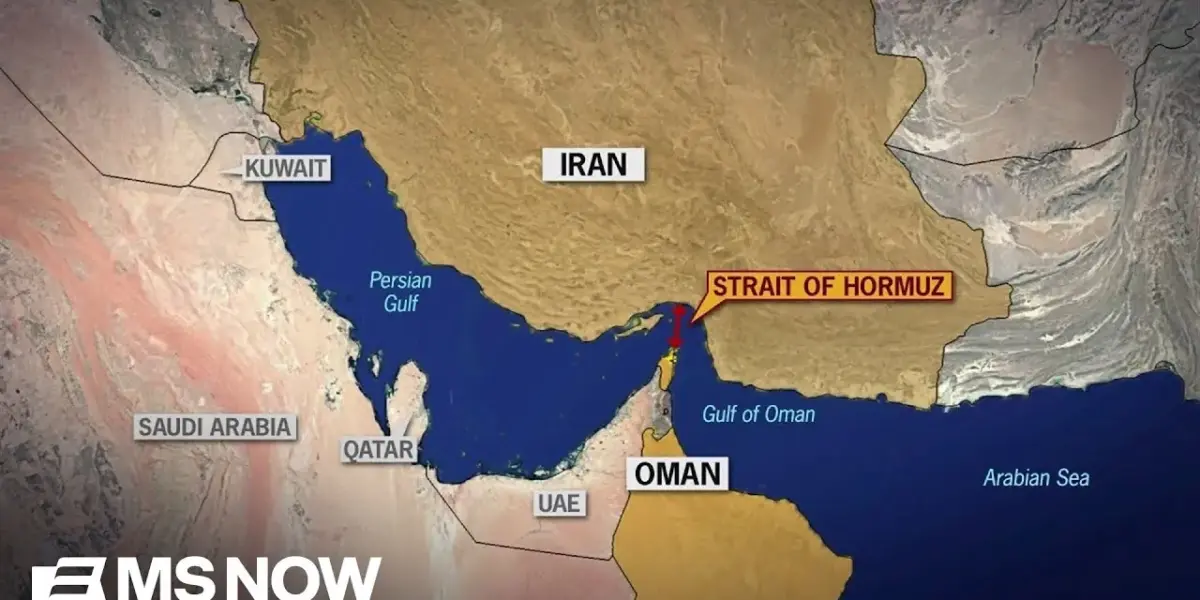
JERUSALEM/STRAIT OF HORMUZ – A vessel was observed burning in the Strait of Hormuz earlier this evening, a critical global shipping lane that has become a focal point of escalating military and economic tensions. The incident, occurring approximately 20 miles into the strait, comes as the waterway remains under the de facto control of the Iranian military, leading to a near standstill of oil and cargo traffic.
The sight of the burning ship, with flames visible for several hours, raises immediate concerns about potential targeting, a tactic that has been employed in the region over the past week. While the cause and specific identity of the vessel remain unconfirmed, its predicament underscores the precarious situation in one of the world’s most vital energy chokepoints. In the distance, dozens, if not hundreds, of tankers and cargo ships are reportedly waiting, holding back from entering the strait to avoid potential conflict.
Strait of Hormuz Under Iranian Control
For approximately the last week, the Strait of Hormuz, usually a bustling artery for global trade, has been significantly disrupted by Iranian military actions. Reports indicate that Iran has effectively blocked the passage, with its military declaring that any vessel attempting to transit the strait will be targeted. This assertion has led to a substantial backlog of shipping, significantly impacting global oil supplies and raising concerns about economic stability.
Inzamam Rashid, a correspondent based in the UAE, described the scene, stating, “A significant development this evening as Donald Trump says that this war is nearly over. That is not the feeling on the ground here in the Gulf because over the last couple of hours or so out in the Strait of Hormuz, around 20 miles in that direction. I’ve been seeing a vessel burning, fire coming out of a vessel over the last couple of hours.”
Rashid further elaborated on the broader impact, noting, “What would be usually a very busy shipping passage has for the last week or so been completely blocked in control by the Iranian military, not a single drop of oil allowed to get through as as the Iranians have put it, and they’ve been very clear that anyone that does try to pass through will be targeted.”
Shifting Focus of the Conflict
While military actions have been intense in various theaters, including across the Gulf and between Iran and Israel, analysts suggest a noticeable shift in the conflict’s focus towards the Strait of Hormuz. This strategic waterway, a narrow passage between the United Arab Emirates and Oman on one side, and Iran on the other, is geographically advantageous for Iran to exert control.
David Rode, a senior national security reporter, discussed the challenges of maintaining control over the strait, explaining, “This is a very narrow waterway. We know that the geographical struggles that this plays in this region as a result of this waterway. Iran has got a number of facilities here. You’ve got to remember the way that this lies as well. It’s the UAE and Oman together. On the other side, you have Iran. And effectively, they’ve got ports, they’ve got Navy vessels, they’ve got missile launch systems on the ground very close to the Straits of Hormuz that they could attack pretty much in seconds.”
Naval Escorts and Economic Repercussions
In response to the escalating situation, there have been indications that U.S. and European naval vessels may be en route to the Strait of Hormuz to provide escort missions for waiting tankers. The aim would be to secure the passage of oil and cargo to international markets. However, analysts express skepticism about the efficacy of such measures.
“Analysts have been telling me that it would be very, very difficult to do that, not least because Iran will most likely attack some of those Navy vessels that are escorting some of those ships. But in fact, it probably wouldn’t have much of a difference. If it’s taking one tanker at a time, that’s not really getting much oil across the Strait of Hormuz, given that 20 million barrels usually pass through this narrow shipping lane every single day in normal times,” Rashid reported.
The economic ramifications are already severe. Saudi Arabia, Iraq, the UAE, and Kuwait have reportedly cut oil output by nearly 7 million barrels per day. Egypt has seen fuel prices increase by 30%, and Bahrain has declared force majeure after its state oil facility was attacked. The world’s largest oil companies have warned of “catastrophic consequences for oil markets.”
International Reactions and Iranian Stance
In the face of the disruptions, U.S. President Donald Trump has stated that any continued closure of the strait by Iran would result in a retaliatory response, potentially twenty times harsher than any measures already taken. The Iranian response to these threats has been defiant.
“The response from the Iranians tonight has been, well, the Strait of Hormuz will either be a place of peace or defeat for war mongers,” a correspondent relayed, highlighting the stark choice presented by Iran.
Looking Ahead
The ongoing situation in the Strait of Hormuz, marked by the burning vessel and the significant disruption to global shipping, signals a critical juncture in the regional conflict. The effectiveness of potential naval escorts, the response from Iran to international pressure, and the continued economic impact on global oil markets will be key factors to monitor in the coming days and weeks.
Source: Vessel on fire in Strait of Hormuz as area remains at a near total standstill: Report (YouTube)

Related Articles


US Service Members Hurt in Iran War; Trump Issues Mine Threat
At least 140 U.S. service members have been injured in the ongoing conflict with Iran, the Pentagon confirmed. President Trump issued a stern warning against Iran mining the Strait of Hormuz, threatening unprecedented military consequences. Meanwhile, a manhunt is underway in Canada after a shooting at the U.S. Consulate in Toronto.


Trump’s Rhetoric Ignites Global Market Mayhem
Global markets experienced a significant downturn as oil prices surged, exacerbated by geopolitical tensions and Iran's attacks on regional infrastructure. Analysts criticize unclear U.S. policy responses, while former President Trump's rhetoric is seen as dangerously dismissive of the risks.


Iran’s Strait of Hormuz Mine Threat: A Dangerous Escalation
Reports indicate Iran has allegedly mined the Strait of Hormuz, a vital global energy chokepoint. This alarming escalation threatens maritime security and global oil supplies, prompting urgent calls for decisive military response and raising fears of wider conflict.