Vegas Housing Slump Signals Broader U.S. Market Risks
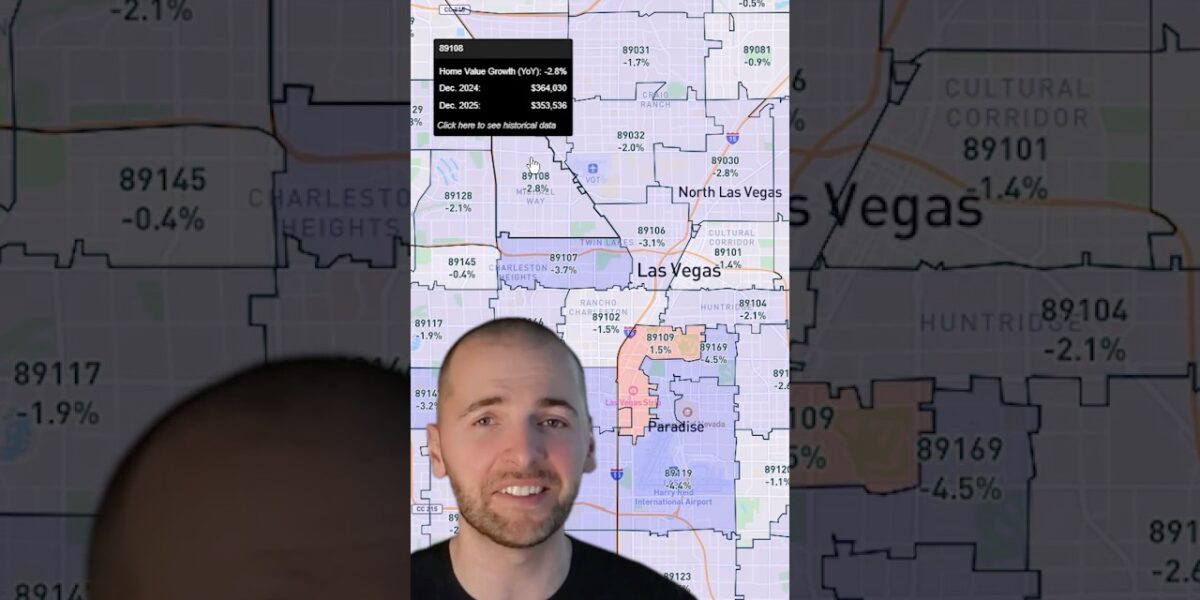
Las Vegas home sales have hit a 16-year low, falling 45% from 2021 levels. This dramatic slump, driven by reduced migration, affordability issues, and a weakening local economy, serves as a significant warning for the broader U.S. housing market.

Vegas Housing Slump Signals Broader U.S. Market Risks
The Las Vegas housing market is experiencing a dramatic downturn, with home sales plummeting to their lowest point since 2007. This significant drop, representing a 45% decrease from 2021 levels, serves as a stark warning for the broader U.S. housing market and the national economy. Historically, Las Vegas has acted as a bellwether for national housing trends, famously enduring a 63% price decline in the previous crash, the most severe in U.S. history. The current slump in demand raises concerns about potential ripple effects across other regions, particularly in the Western United States.
Factors Driving the Las Vegas Decline
Several key factors are contributing to the sharp deceleration in Las Vegas’s housing sector:
- Reduced In-Migration: The end of the pandemic has curtailed the influx of new residents that previously fueled demand. Many individuals and families who relocated during the pandemic are no longer moving to the area at the same pace.
- Affordability Crisis: Local buyers are increasingly priced out of the market. With a median income of approximately $80,000 in Las Vegas, prospective homeowners need to earn over $100,000 to comfortably afford a median-priced home in the current market. This gap highlights a significant affordability challenge.
- Economic Slowdown: The local economy, heavily reliant on tourism, is showing signs of weakness. Declining tourist numbers and job shedding within the Las Vegas metro area over the past year are further dampening housing demand and contributing to market uncertainty.
Broader Economic Context and Implications
The situation in Las Vegas is not occurring in a vacuum. It reflects broader economic shifts impacting the national housing landscape. Rising interest rates, while not explicitly mentioned in the transcript, are a significant factor in overall housing affordability across the country. Higher mortgage rates increase the monthly cost of homeownership, reducing purchasing power for many buyers.
Furthermore, persistent inflation has eroded consumer purchasing power, making it harder for households to save for down payments and manage the increased costs associated with homeownership. The Federal Reserve’s efforts to combat inflation through monetary policy tightening, including interest rate hikes, directly influence mortgage rates and, consequently, housing market activity.
Potential for Wider Market Correction
The precipitous fall in Las Vegas sales is a cause for concern because of its historical role as a leading indicator. The transcript suggests a potential for a significant market correction in Las Vegas as early as 2026. This correction could extend its influence to other markets, especially in the western half of the U.S., which may share similar demographic and economic vulnerabilities.
For potential buyers in affected regions, this could present opportunities if prices adjust downwards. However, it also carries risks, as job market stability and future appreciation rates become less certain. For sellers, a cooling market means longer listing times and potentially lower offers, necessitating a more realistic pricing strategy. Real estate investors will be closely monitoring metrics such as capitalization rates (cap rates), which represent the potential rate of return on an investment property, and loan-to-value (LTV) ratios, the amount borrowed compared to the value of the property, to assess risk and potential returns in a shifting market.
Regional Variations and Who is Most Impacted
While Las Vegas is signaling a potential downturn, it’s crucial to recognize that the U.S. housing market is not monolithic. Different regions will experience varying impacts based on local economic conditions, job growth, population trends, and housing supply. Markets with strong job growth and limited inventory may remain more resilient than those heavily reliant on sectors like tourism or those that experienced rapid price appreciation during the pandemic.
The current market conditions most significantly impact first-time homebuyers who are already struggling with affordability due to high prices and interest rates. Existing homeowners looking to sell may also face challenges if they need to relocate quickly, potentially accepting lower offers than anticipated. Investors will need to exercise caution, performing thorough due diligence and focusing on properties with strong fundamentals and potential for positive cash flow – the income remaining after paying operating expenses – especially in markets showing signs of weakness.
The events unfolding in Las Vegas serve as a critical reminder for all participants in the real estate market to stay informed about local and national economic indicators and to approach real estate decisions with a clear understanding of the prevailing market dynamics.
Source: Las Vegas lobs major warning to U.S. Housing Market (YouTube)

Related Articles

Housing Market Slowdown: Cities to Watch for Price Declines
Several U.S. cities are projected to see home price declines in 2026, driven by rising inventory and slower demand. Orlando, Seattle, Dallas-Fort Worth, Tampa, and Denver are among the markets highlighted for potential price adjustments, offering opportunities for buyers but signaling a shift from recent market conditions.


Housing Market Fears: Separating Fact from Fiction
Alarming charts suggesting a housing market collapse are misleading due to limited data. While the market is undergoing a correction, understanding economic factors and regional variations is key for buyers, sellers, and investors.


Soaring Home Insurance Costs Squeeze U.S. Housing Market
Homeowners insurance costs have doubled over the last 13 years, creating a "hidden tax" that is significantly impacting housing affordability nationwide. This surge is particularly acute in states like Florida and Texas, forcing many homeowners to go without coverage and shifting migration patterns towards more affordable regions.