Vanity Over Voters: Officials Demand Photos Be Erased
White House spokesperson Karoline Leavitt reportedly demanded unflattering Thanksgiving photos be removed, highlighting a pattern of vanity within the administration. This focus on image contrasts sharply with the economic struggles faced by many Americans. The trend raises questions about leadership priorities and public trust.

Vanity Over Voters: Officials Demand Photos Be Erased
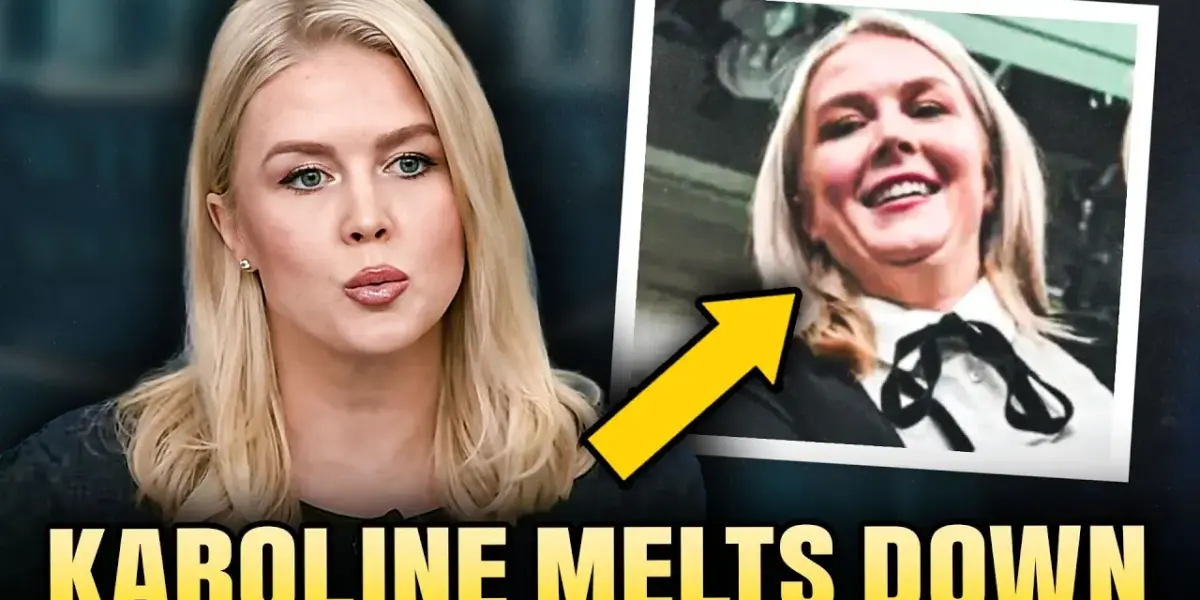
A recent report highlights a surprising concern from a White House spokesperson: the demand to remove an unflattering photograph. Karoline Leavitt, the press secretary, reportedly contacted agencies that published a photo of her from Thanksgiving. She was unhappy with how she appeared in the image and wanted it taken down.
The photo, taken from a low angle with a turkey in the foreground, showed Leavitt holding her son. Due to the angle, it created a slight double chin. While many might dismiss such an image, Leavitt’s reported reaction suggests a deep concern for her public appearance. Agencies like AFP and Getty Images did remove the picture following her request.
A Pattern of Photo Sensitivity
This incident is not the first time an official from the current administration has reacted strongly to unflattering photos. A Washington Post report mentioned Pete Hegseth, who allegedly banned photographers from the Pentagon after a less-than-perfect picture of him was taken. These events point to a potential trend of prioritizing image management over other pressing issues.
The contrast between these photo concerns and the nation’s challenges is stark. While officials reportedly focus on their appearance, many Americans are struggling with rising costs for everyday essentials like gas and groceries. The economy faces challenges like stagflation, and job layoffs are increasing. Environmental concerns are also significant.
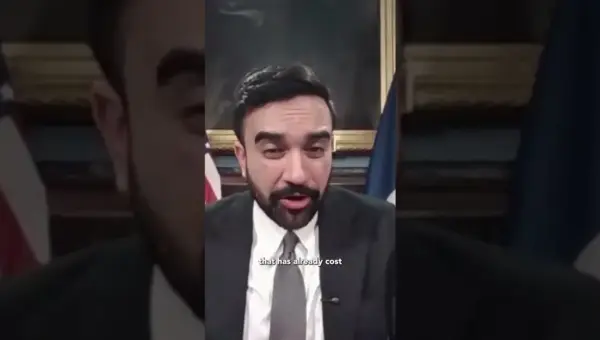
“Americans are experiencing stagflation, record number of layoffs in the United States. People losing their jobs left and right. Environmental destruction like you would not believe. And the biggest concern of the vain and vacuous members of this administration is do I look good in that photo?”
Why This Matters
The focus on personal image by public figures can be seen as a distraction from their core responsibilities. When officials are more worried about how they look in a photograph than about the economic hardships faced by citizens, it raises questions about their priorities. This concern for appearance could even hinder their ability to act decisively on important matters.
The public’s frustration likely stems from this perceived disconnect. While people worry about affording groceries, the idea of officials spending energy on photo removal can seem out of touch. It suggests a government more concerned with its own image than with the well-being of the people it serves. This can erode public trust and create a sense of indifference from those in power.
Historical Context
The relationship between politicians and the media has always involved managing public perception. From early daguerreotypes to modern social media, leaders have sought to present themselves favorably. However, the speed and reach of digital photography and the internet have amplified both the potential for unflattering images and the pressure to control them.
In the past, controlling images was more feasible. Fewer photographers had access, and distribution channels were more limited. Today, a single photo can go viral in minutes, making complete control nearly impossible. This new reality presents a challenge for public figures who still desire a polished image, leading to reactions like those described.
Implications and Future Outlook
The trend of officials reacting to unflattering photos suggests a potential for increased censorship or pressure on news organizations. It could lead to a media environment where critical reporting is subtly discouraged, not through overt bans, but through demands for image control. This could result in a less informed public.
Looking ahead, it will be interesting to see if this trend continues. Will officials become more adept at managing their online presence, or will the public’s demand for authenticity push back against such image-consciousness? The balance between maintaining a public image and addressing real-world problems remains a key challenge for any administration.
Ultimately, the focus on appearance over action by some officials highlights a broader concern about leadership priorities. As citizens grapple with economic and social issues, they expect their leaders to be focused on solutions, not on the angle of a photograph. The energy spent on managing personal image could be better directed toward serving the public.
Source: Karoline Leavitt Suddenly Realizes She’s A Disgusting Ghoul (YouTube)

Related Articles
SNP Billions: Charity Funding Fuels Loyalty, Investigation Finds
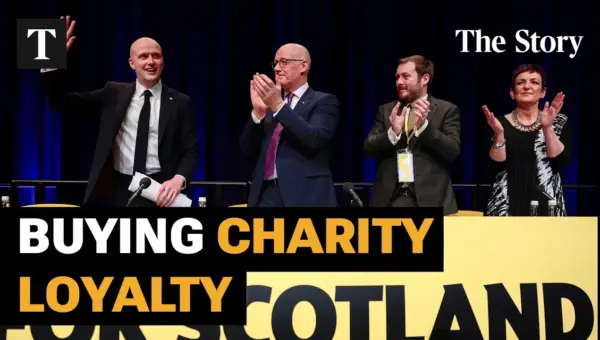
An investigation by The Times and The Sunday Times reveals the Scottish National Party (SNP) allegedly uses billions in funding to secure loyalty from charities, potentially silencing criticism. Examples include an academic forced out of a charity role and a sexual harassment campaign that vanished due to political embarrassment. The reliance of Scottish charities on government funding, far exceeding that in England and Wales, raises concerns about their independence.


China’s Unrest Grows: Protests Surge Amid Economic Woes
China is seeing a rise in protests driven by economic problems. Retired workers, investors, and others are voicing their discontent. The case of journalist Zhang Zhan highlights the government's suppression of dissent amid this unrest.
Trump’s War Funding Betrays American Needs
Massive war funding is being pushed despite Donald Trump's promises to avoid such conflicts. This comes as Americans face a severe affordability crisis, highlighting a stark choice between funding foreign wars and addressing urgent domestic needs like healthcare and education.