Vance’s Iran Stance: From ‘Go Big’ to ‘Freaking Out’
Allegations surface that Senator JD Vance urged a 'go big and go fast' approach to attacking Iran, sparking panic in his office. The controversy highlights the complexities of political stances on war and the challenges of accountability in foreign policy.

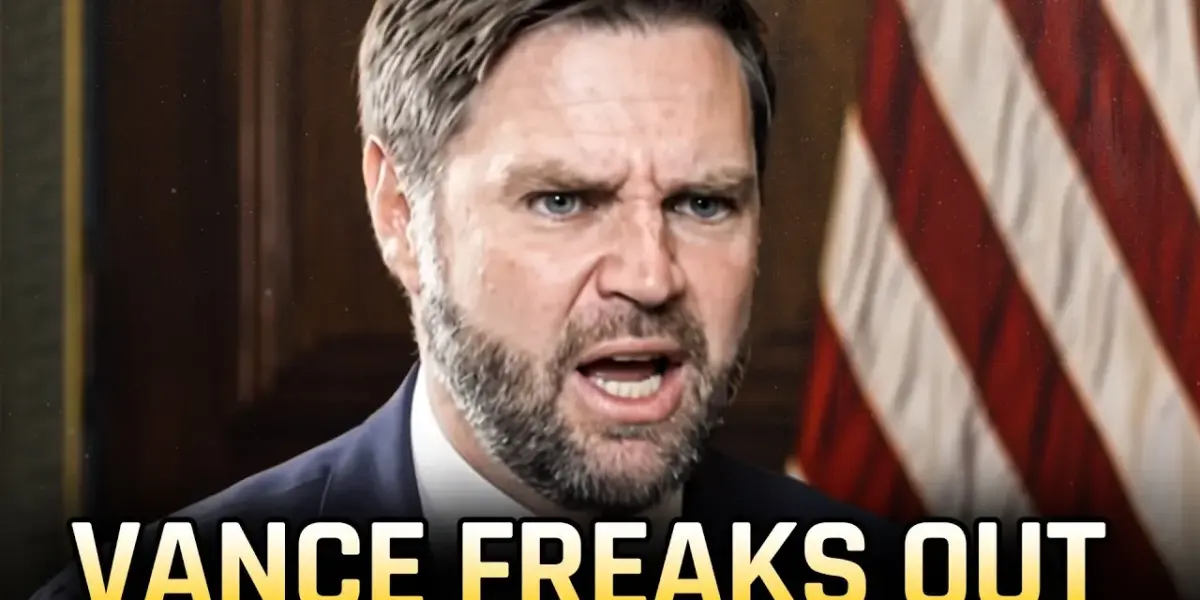
Vance’s Iran Stance: From ‘Go Big’ to ‘Freaking Out’
Recent reports have thrust Senator JD Vance into the center of a brewing controversy, with allegations surfacing from within the White House that he played a pivotal role in advocating for a preemptive strike against Iran. The narrative, as it has unfolded over the past several days, suggests that Vance urged President Trump to adopt an aggressive, swift approach to military action. This claim has reportedly sent ripples of panic through Vance’s office, as the political fallout from such a conflict, particularly one perceived as a quagmire, looms large and is widely expected to be unpopular.
Distancing Tactics and the Uncomfortable Silence
In the wake of these reports, Vance’s team has been actively attempting to distance the Senator from the alleged decision-making process. However, Vance himself has maintained a conspicuous silence. The transcript suggests a lack of personal courage to publicly address the accusations directly, leading his staffers to issue carefully crafted statements to the media. These statements aim to present a nuanced position, asserting that Vance was personally against the strikes but, if they were to occur, argued for a decisive and rapid execution of the operation.
The Paradox of ‘Anti-War’ Advocacy
The core of the controversy lies in the apparent contradiction within Vance’s reported stance. The narrative paints a picture of a Senator who, while privately opposing military action against Iran, simultaneously advised a ‘go big and go fast’ strategy should it become unavoidable. Critics argue that this position is not anti-war, but rather a tacit endorsement of aggressive warfare. The argument is that advocating for a swift, decisive, and potentially devastating military engagement, even under the condition of opposition, effectively positions one as pro-war, or at least pro-escalation. The statement, “I don’t want that. But see, you can’t add the but when you’re talking about striking a nation that is not a threat to us, that has not provoked us, that has not done anything that warrants having them wiped out by us,” encapsulates this criticism.
Shifting Rationales and External Pressures
The broader context of the alleged Iran invasion involves the shifting justifications offered by the administration for such a significant military undertaking. The transcript points to a confusing and evolving set of rationales, ranging from preventing a nuclear weapon development to alleged personal threats against the President, and even a flippant suggestion of missile expiration. This lack of a clear, consistent, and compelling reason for military action fuels skepticism and raises questions about the true drivers behind the policy. The transcript also alludes to potential external pressures from countries like Saudi Arabia and Israel, suggesting that the U.S. decision-making might be influenced by the geopolitical interests of its allies.
Historical Echoes and the Nature of War Advocacy
The situation evokes historical parallels where political figures have sought to distance themselves from unpopular military engagements or have been caught in complex geopolitical maneuvers. The debate over Vance’s alleged role touches upon a fundamental question: what constitutes genuine opposition to war? The transcript posits that the desire for a swift end to conflict is inherent to the nature of war itself, particularly from the perspective of those initiating it. The aim is to win, and winning often implies decisive action. Therefore, advising on the *method* of war, even while outwardly opposing its initiation, can be interpreted as a form of complicity or, at the very least, a deep entanglement with the decision to wage it.
Why This Matters
This situation is significant for several reasons. Firstly, it highlights the intense scrutiny faced by politicians involved in foreign policy decisions, particularly those with potentially catastrophic consequences. Secondly, it raises critical questions about the nature of political rhetoric and accountability. When a public figure’s office issues statements that attempt to create distance from a controversial stance, it prompts a deeper examination of the individual’s genuine beliefs and their influence on policy. Thirdly, the alleged shifting rationales for military action underscore the importance of transparency and clear communication in foreign policy. Finally, the debate around Vance’s position forces a re-evaluation of what it means to be anti-war in an era where geopolitical tensions are high and the tools of warfare are increasingly sophisticated and destructive.
Implications, Trends, and Future Outlook
The implications of this controversy extend beyond Senator Vance. It reflects a broader trend in contemporary politics where hawkish foreign policy stances, even if couched in terms of national security, can become politically perilous. The ease with which information, or alleged information, can spread through the media and social platforms means that political figures are under constant pressure to manage their public image and defend their actions. The future outlook suggests that politicians advocating for or involved in military interventions will face even greater demands for clarity, consistency, and accountability. The public’s awareness of the human and financial costs of war is likely to increase, making preemptive or aggressive military actions even harder to justify and sustain politically. The ability of political figures to credibly claim an ‘anti-war’ stance while simultaneously advocating for aggressive military strategies will be increasingly challenged.
Conclusion
The reported ‘freaking out’ from JD Vance’s office over allegations of his involvement in advocating for an Iran invasion serves as a potent case study in political damage control and the complexities of foreign policy. Whether Vance truly advocated for a ‘go big and go fast’ approach, and to what extent he privately opposed the strikes, remains a subject of internal White House debate and public speculation. However, the current narrative suggests that no matter how much one attempts to distance themselves from a conflict, the perceived role in its initiation, or the advice given regarding its execution, can cast a long shadow. In the high-stakes arena of international relations, the line between strategic counsel and active participation is often blurred, and the consequences of that perceived proximity can be profound.
Source: JD Vance Freaks Out After Being Blamed For Iran Invasion (YouTube)

Related Articles

House Votes to Limit President’s War Powers on Iran
The U.S. House of Representatives is set to vote on legislation limiting President Trump's war powers regarding Iran. The move comes amid concerns over executive overreach, the constitutional role of Congress in declaring war, and the potential economic and human costs of conflict. The debate highlights a deep partisan divide on the issue.
Iran Missile Near NATO Airspace Triggers Alliance Scrutiny
A ballistic missile launched from Iran, intercepted near Turkish airspace, has drawn NATO into heightened scrutiny. The incident prompts discussions around Article 4 and potentially Article 5 of the NATO treaty, signaling a critical escalation in regional tensions with significant geopolitical and market implications.

Gen Z Questions Foreign Policy Amidst Iran Conflict
Defense Secretary Pete Hegseth faced criticism for downplaying media coverage of the Iran conflict, while young voters express a mix of support and unease. Gen Z's skepticism towards institutions and a desire for stability shape their nuanced views on foreign policy.