Vance’s Hungary Trip Backfires as Orban Suffers Shock Defeat
Senator JD Vance's recent visit to Hungary to support Prime Minister Victor Orban backfired spectacularly when Orban suffered a shocking election defeat. This outcome highlights the risks of foreign political endorsements and sends a powerful message to far-right movements globally.

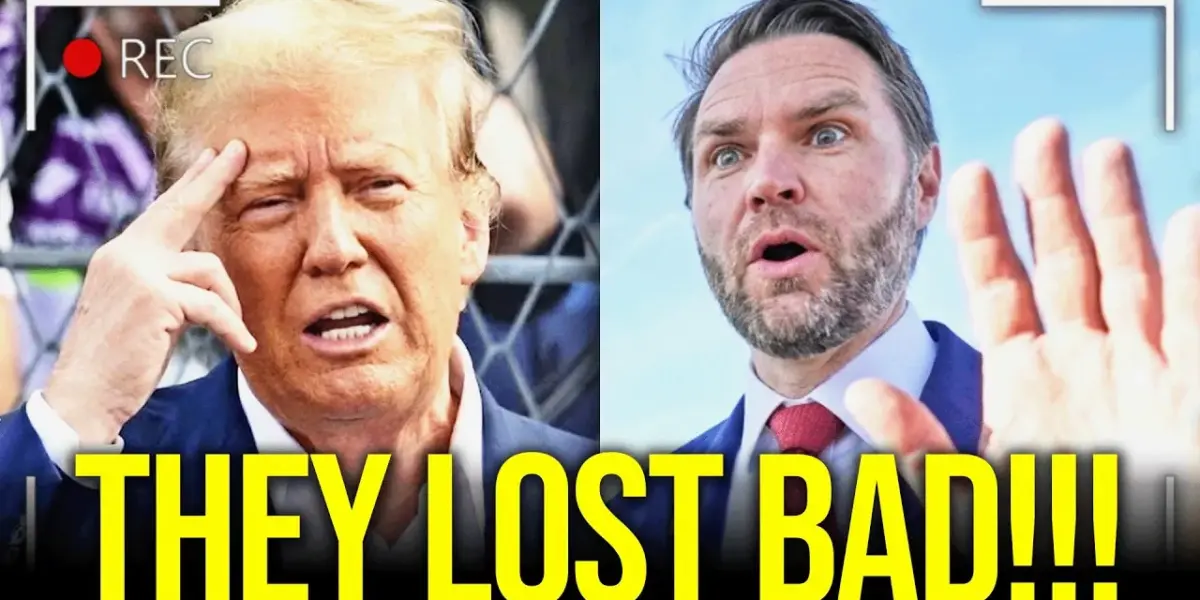
Vance’s Hungary Trip Backfires as Orban Suffers Shock Defeat
Senator JD Vance recently visited Hungary to support Prime Minister Victor Orban. This visit occurred just days before Orban surprisingly lost his parliamentary election. This outcome represents a significant setback for Vance and the broader far-right movement he represents. It also marks a positive development for democracy and Ukraine.
A Diplomatic Stumble in Hungary
Senator Vance’s trip to Hungary was intended to show solidarity with Victor Orban, a leader known for his conservative policies and increasingly close ties to Russia. Orban has been in power for 16 years, often accused of corruption and suppressing dissent. Vance’s appearance at a rally for Orban was seen by many as an endorsement of his leadership style and political agenda.
However, the timing proved disastrous. Shortly after Vance’s visit, Hungarian voters went to the polls and delivered a stunning defeat to Orban. The opposition, led by Peter Majar, a former member of Orban’s own party, secured a mandate. Majar’s platform focuses on democratic values, supporting Ukraine, and combating corruption, directly contrasting with Orban’s long-standing policies.
The election results have been widely celebrated by those who champion democratic principles and oppose authoritarian tendencies. The change in leadership in Hungary is seen as a significant victory for Ukraine, as Orban had consistently obstructed aid to the country and maintained a pro-Putin stance. Majar, on the other hand, has pledged strong support for Ukraine.
More Setbacks Abroad
Vance’s foreign policy challenges did not end in Hungary. He also traveled to Islamabad, Pakistan, for trilateral negotiations involving Iran and the United States, with Pakistan acting as a mediator. After 20 hours of talks, these negotiations collapsed without making any significant progress. Vance reportedly gave a speech with his head down, indicating the disappointing outcome of these high-stakes discussions.
Historical Context: The Rise of Illiberalism
The events in Hungary are part of a larger global trend. For years, leaders like Victor Orban have gained prominence by challenging established democratic norms and embracing nationalist, often illiberal, ideologies. This movement has found supporters and advocates in various countries, including the United States, where figures like Donald Trump and JD Vance have championed similar ideas. The aspiration, as suggested by some, has been to emulate Orban’s model of strong, centralized governance, even at the expense of democratic freedoms.
Orban’s Hungary has become a case study in how a leader can maintain power through a combination of popular support and control over media and institutions. He has been criticized for weakening the judiciary, curtailing press freedom, and using state resources to benefit his party. The corruption allegations are also a persistent shadow over his long tenure.
Why This Matters
The defeat of Victor Orban is more than just a change in Hungarian leadership; it sends a powerful message to far-right movements globally. It demonstrates that voters are not always swayed by established power or populist rhetoric, especially when concerns about corruption and democratic backsliding become prominent.
For JD Vance, the outcome is particularly embarrassing. His public support for Orban, immediately followed by Orban’s loss, highlights the potential risks of foreign political endorsements. It also raises questions about Vance’s judgment and his alignment with leaders who are seen as undermining democratic values. Furthermore, Vance’s visit and subsequent comments about foreign interference in elections, particularly his downplaying of Russian interference in U.S. elections, have drawn sharp criticism.
The contrast between Vance’s accusations of Ukrainian interference in Hungarian elections and his own campaigning for Orban, a figure seen as pro-Russia, has been labeled as hypocritical and disingenuous. Critics point out that Vance’s rhetoric minimizes the significant efforts Russia has made to influence Western democracies, while simultaneously engaging in a form of electioneering abroad that could be seen as interference.
Implications and Future Outlook
The Hungarian election results could embolden democratic forces in other countries facing similar challenges. It suggests that a well-organized opposition focused on core democratic principles can succeed, even against entrenched power. The shift in Hungary also has geopolitical implications, potentially strengthening the European Union’s resolve against Russian influence and bolstering support for Ukraine.
Looking ahead, the future of the far-right movement, particularly its international connections, will be closely watched. The setbacks experienced by Orban, and the perceived failures of Vance’s diplomatic efforts, may lead to a recalibration of strategies. However, the underlying appeal of nationalist and populist messages remains a potent force in many parts of the world.
The narrative that influential figures can shape global politics through personal endorsements and political maneuvering has been challenged. The events underscore the importance of voters’ choices and the resilience of democratic aspirations, even in the face of significant political pressure and alleged corruption.
Source: Entire World Humiliates Trump as JD Vance FAILS (YouTube)

Related Articles


Iran Deal Fallout: Trump’s Claims Clash With Reality
President Trump claimed Iran had no leverage, but the difficulty in reaching a deal suggests otherwise. Critics argue this approach weakened the U.S., allowing Iran to gain influence via the Strait of Hormuz. This highlights the ongoing debate between military might and diplomatic strategy in foreign policy.


Journalist Warns: Truth Under Threat in America
Journalist Jim Acosta warns that America faces a dangerous time for truth-telling, where power can crush verifiable facts. He highlights escalating pressures on the press, from revoked credentials to death threats, and links these issues to media consolidation and the rise of self-censorship. Acosta stresses the vital role of a free and independent press in safeguarding democracy.

Cuba’s President Defends Nation Amid U.S. Pressure
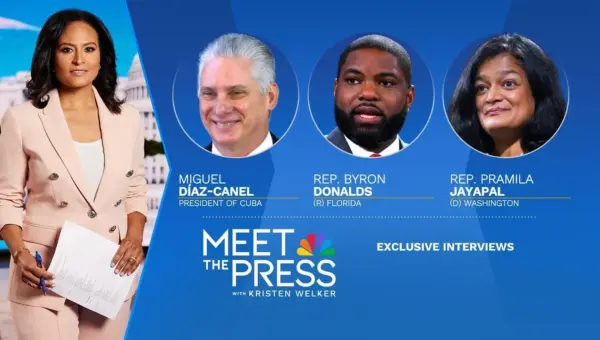
Cuban President Miguel Diaz-Canel defended his nation against U.S. pressure in an exclusive interview, blaming American sanctions for economic hardship and vowing to resist any threats of military action. He emphasized his willingness to die for the Cuban Revolution and rejected U.S. demands for political change. Congressional reactions highlighted the deep divisions on how to approach Cuba.