Vance’s Diplomatic Failure Fuels War Fears
High-stakes talks between the U.S. and Iran have collapsed, leaving Vice President JD Vance admitting no progress was made. The failure to secure a commitment from Iran not to pursue nuclear weapons highlights strategic leverage points and raises concerns about escalating conflict and financial costs.

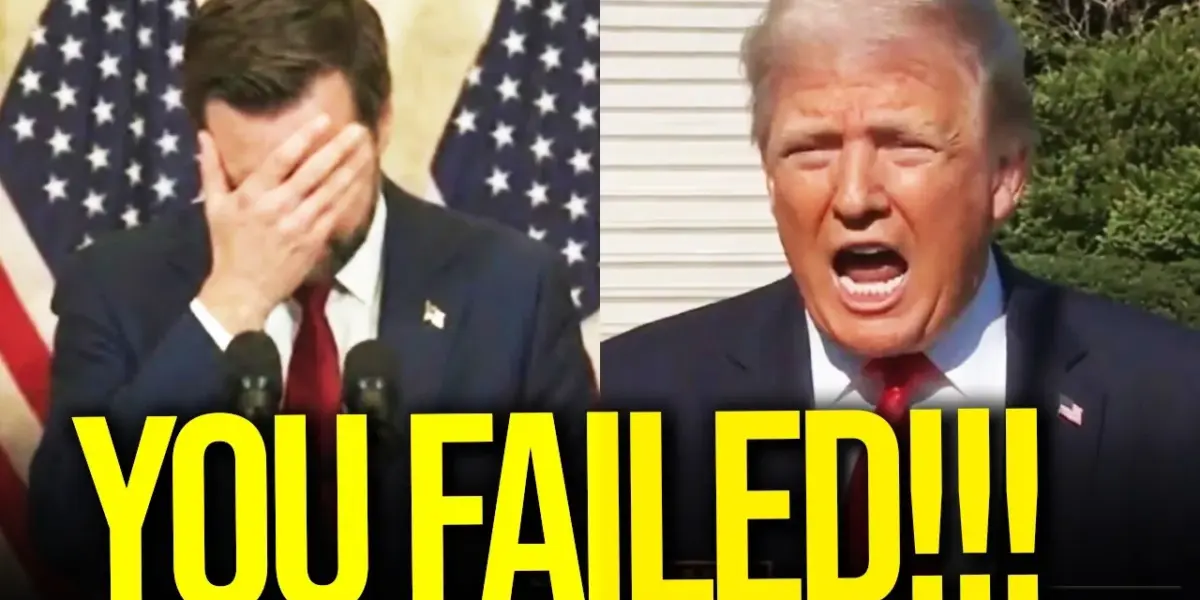
Vance’s Diplomatic Failure Fuels War Fears
High-stakes talks between the United States and Iran, with Pakistan acting as a mediator, have collapsed. After 21 hours of intense negotiations in Islamabad, Vice President JD Vance admitted that no progress was made. This failure halts, and effectively ends, the diplomatic effort, leaving the U.S. entangled in a conflict with no clear way out. The situation highlights Iran’s strategic advantage through its control of the Strait of Hormuz, a crucial global shipping route, which it can use as leverage despite lacking the U.S.’s overall military might.
A Negotiator’s Stumble
During a press conference, Vance explained the core issue: the lack of an “affirmative commitment” from Iran not to pursue nuclear weapons or the means to develop them quickly. He noted that while Iran’s existing enrichment facilities had been damaged, the fundamental question of their long-term commitment to forgo nuclear weapons remained unanswered. Vance expressed a desire for a “joint comprehensive plan of action,” similar to the deal negotiated under the Obama administration a decade prior. However, the current administration’s claim that Iran had been neutralized was proven false, as Iran still possessed enriched uranium and the knowledge to rebuild its program.
“The simple fact is that we need to see an affirmative commitment that they will not seek a nuclear weapon and they will not seek the tools that would enable them to quickly achieve a nuclear weapon. That is the core goal of the president of the United States and that’s what we’ve tried to achieve through these negotiations.”
Trump’s Distracted Leadership
While these critical negotiations were unfolding, former President Donald Trump was reportedly attending a UFC match. This choice drew criticism, with some suggesting it showed a lack of seriousness from the administration. The transcript points out the contrast between Trump’s public appearance and the unfolding diplomatic crisis, implying a disconnect between leadership priorities and global stability. Vance’s role in these failed talks could significantly impact his political future, particularly his aspirations for a 2028 presidential run.
Historical Context and Leverage
The negotiations aimed to address Iran’s nuclear program, a complex issue with a long history. The Obama administration had previously secured a deal, the Joint Comprehensive Plan of Action (JCPOA), through careful diplomacy and concessions. In contrast, the current approach, as described in the transcript, appears to be struggling. Trump’s earlier assertion that Iran had “zero cards” to play was directly contradicted by the negotiation’s outcome, revealing that Iran does indeed possess significant leverage, primarily through the Strait of Hormuz. While the U.S. military is vastly more powerful, Iran’s ability to disrupt global oil supplies through this narrow waterway presents a potent asymmetric threat.
The Cost of Failed Diplomacy
The collapse of these talks has serious implications. The U.S. is reportedly spending billions of dollars weekly on the conflict, with troops experiencing casualties and injuries. The transcript estimates over $50 billion has already been spent, with a request for an additional $200 billion. The failure to reach an agreement suggests a fundamental misunderstanding of negotiation tactics, including anchoring and leverage, by the current administration. This diplomatic breakdown not only prolongs the conflict but also increases economic strain, potentially affecting gas prices and the broader economy.
Future Outlook
With no agreement reached and Iran showing no immediate plans for further talks, the situation remains precarious. The negotiations, described as the first direct U.S.-Iran talks since 1979, have concluded without resolution. This outcome raises concerns about a perpetual cycle of conflict, where military strikes might be followed by renewed Iranian efforts to develop nuclear capabilities. The absence of a clear diplomatic off-ramp means the U.S. risks deeper entanglement in a costly and potentially escalating war, fueled by diplomatic missteps and a lack of strategic foresight.
Why This Matters
The failure of these high-stakes negotiations carries significant weight for global security and U.S. foreign policy. It underscores the challenges of de-escalating tensions with Iran, particularly regarding its nuclear ambitions. The outcome directly impacts the financial and human cost of ongoing military operations. For JD Vance, this diplomatic setback could tarnish his image as a capable leader, potentially hindering his future political ambitions. The situation also raises questions about the effectiveness of the current administration’s approach to foreign policy and its ability to secure stable, long-term agreements. The reliance on military strength without a robust diplomatic strategy appears to be leading to a costly and protracted conflict, with no clear end in sight.
Source: JD Vance SHAMED BY Trump for FAILING BAD (YouTube)

Related Articles
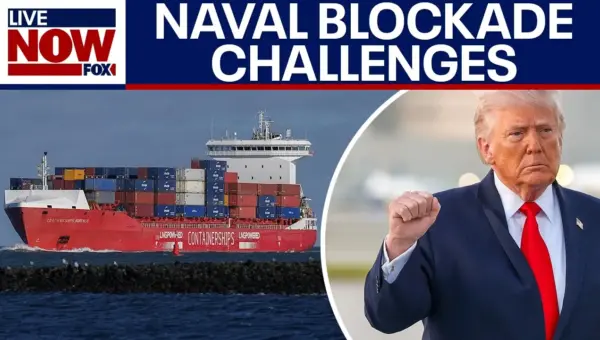
Trump Orders Iran Strait of Hormuz Blockade
President Trump has ordered an immediate U.S. Navy blockade of the Strait of Hormuz following failed negotiations with Iran. The move aims to halt all maritime traffic, but experts warn of significant risks, including potential confrontations with other nations and economic repercussions. The situation remains volatile as both sides may have used a recent ceasefire to resupply and prepare for further conflict.
Orban’s Defeat Deals Blow to Trump’s Global Standing
Viktor Orban's significant election loss in Hungary is seen as a major blow to Donald Trump and JD Vance's global influence. The outcome challenges the momentum of the far-right and offers hope for democratic movements worldwide, with potential lessons for the U.S. Democrats.
US Navy Blockades Strait of Hormuz, Targets Iranian Tolls
The U.S. Navy has initiated a blockade of the Strait of Hormuz, targeting vessels paying Iranian transit tolls. This move aims to cut off Iranian revenue and follows failed diplomatic talks. The action carries significant geopolitical risks, particularly concerning potential Chinese involvement.