Vance’s Calculated Pivot: A Snake Sheds Its Skin?
Senator JD Vance is accused of strategically repositioning himself amid Middle East tensions, presenting a narrative of skepticism that contradicts reports of his hawkish advice. This analysis delves into his shifting political allegiances and the broader implications for public trust.

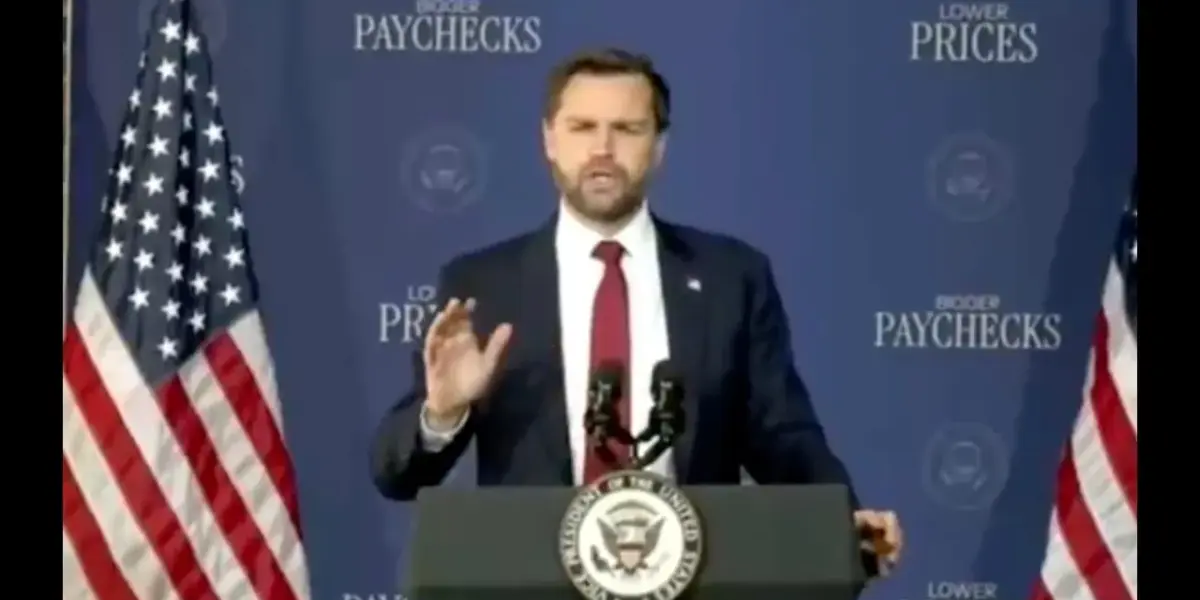
Vance’s Calculated Pivot: A Snake Sheds Its Skin?
In the high-stakes arena of American politics, loyalty is often a currency more valuable than principle. Senator JD Vance, a figure who has navigated the treacherous currents of the Republican party with remarkable agility, appears to be demonstrating this truth with a calculated repositioning in the wake of escalating Middle Eastern tensions and their economic fallout. A recent Politico report, seemingly leaked from Vance’s own orbit, paints him as a dissenting voice within the White House regarding potential strikes on Iran. However, a closer examination of reporting from the New York Times suggests a more complex, and perhaps less principled, stance.
The ‘Skeptical Voice’ Narrative
The Politico story, headlined “Vance was skeptical voice in White House on Iran strikes,” positions Vance as a cautious advisor, urging restraint. This narrative, however, is immediately met with skepticism by those observing Vance’s career. The timing and nature of such a report strongly suggest a deliberate placement, designed to craft a specific public image. The implication is clear: Vance, recognizing the potential political liabilities of a protracted conflict, is attempting to distance himself from any perceived endorsement of military action, particularly if it proves disastrous. He is, in essence, preemptively positioning himself as a voice of reason for a future political landscape, potentially eyeing a 2028 presidential bid.
Contradictory Accounts Emerge
The narrative of Vance as a cautious skeptic is directly challenged by reporting from the New York Times. According to individuals familiar with the White House situation room discussions, Vance, described as a “longtime skeptic of American military intervention in the Middle East,” actually advocated for a more aggressive approach. The Times reports that Vance argued that if the United States was to strike Iran, it “should go big and go fast.” This stands in stark contrast to the image of a reluctant participant. Furthermore, the reporting suggests that Vance’s intervention may have influenced the administration towards a broader strike, potentially targeting Iranian leadership, rather than the more limited action initially considered by President Trump.
The Art of Political Ambidexterity
This apparent discrepancy between the self-serving narrative and the reported actions raises questions about Vance’s political strategy. The accusation is that he is attempting to “have his cake and eat it, too” – to benefit from perceived proximity to power while simultaneously cultivating an image of moderation and foresight. This approach, critics argue, is not only disingenuous but also demonstrates a profound contempt for the electorate, assuming voters will be too unobservant to detect the contradiction.
A Calculated Evasion
When directly confronted with these questions by reporters, Vance’s response was notably evasive. Citing the classified nature of White House discussions and the legal ramifications of disclosure, he refused to detail his specific advice. This refusal, while understandable from a security and legal standpoint, is juxtaposed with the very act of allegedly leaking information to Politico. The critique is that Vance is willing to strategically leak information to craft a favorable narrative but retreats behind a shield of secrecy when directly questioned, labeling him a “coward” by some observers. The implication is that he is quick to engage in backroom maneuvering but unwilling to stand by his stated positions in public when challenged.
A History of Shifting Allegiances
Vance’s political trajectory is marked by a significant evolution in his public stance towards Donald Trump. In the past, he was a vocal critic, famously calling Trump “America’s Hitler” and a “terrible candidate.” However, in recent years, Vance has become a staunch defender of the former president, even reversing his earlier criticisms and acknowledging he was “wrong about Donald Trump.” This dramatic shift is often attributed to political expediency, driven by an “unbridled ambition and desperation for power.” His embrace of Trump, a strategy that has proven successful for many Republican politicians, is seen by critics not as a genuine change of heart, but as a pragmatic adaptation to the political climate.
The Economic Ripple Effect and Trump’s Vulnerability
Beyond the geopolitical maneuvering, the economic consequences of the Middle East conflict are becoming increasingly apparent, particularly concerning gas prices. Vance’s recent remarks attempting to attribute current gas prices to Trump’s past policies are viewed as a self-serving attempt to deflect blame and capitalize on public frustration. The sentiment from everyday Americans interviewed highlights the tangible impact of fluctuating fuel costs. For working individuals, a seemingly small increase in gas prices translates to significant financial strain, directly contradicting any claims of economic stability or prosperity under the current administration’s watch, and by extension, Trump’s past influence.
The Future Outlook: A Viper’s Nest
The political environment, particularly within a Trump-aligned administration, is often characterized as a “viper pit.” This metaphor suggests a landscape where self-interest and survival often trump loyalty and principle. Vance’s actions are seen as a prime example of this dynamic. As Trump’s popularity potentially wanes or faces new challenges, figures like Vance are expected to continue their strategic maneuvering, seeking to secure their own positions. The reliance on social media platforms for communication and the potential for censorship further complicate this landscape, making direct communication channels like newsletters increasingly important for independent voices.
Why This Matters
The case of JD Vance highlights a critical trend in contemporary politics: the increasing prevalence of transactional relationships over ideological commitments. Voters are faced with politicians who appear to shift their stances based on perceived political advantage rather than deeply held beliefs. This can lead to a erosion of trust in the political process and a sense of disillusionment. Understanding these dynamics is crucial for voters to critically assess the motivations behind political rhetoric and to make informed decisions. The ability of politicians to craft and disseminate self-serving narratives, amplified by media leaks and social media, underscores the need for a discerning public capable of looking beyond the surface-level messaging to understand the underlying strategies and potential consequences.
Source: BREAKING: Vance TAKES AIM at Trump with CHEAP SHOT (YouTube)

Related Articles
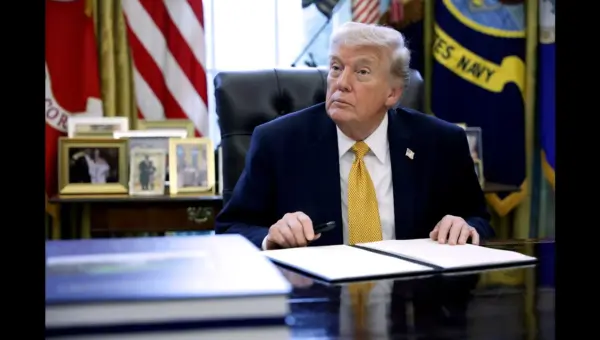
Vance Tackles Federal Fraud: A New War on Waste
Vice President JD Vance has launched a new White House task force to combat fraud in federal benefit programs. The initiative aims to improve verification processes and foster inter-agency cooperation to stop waste and restore public trust. The task force highlights issues in states that allegedly operate on an honor system for benefit distribution.
House Republicans Reject Senate Deal, Sparking Government Funding Clash
House Republicans have rejected a Senate bill to end the government shutdown, citing insufficient border security measures. Congressman Randy Fine called the Senate deal a "disgrace" and highlighted the ongoing fight for full government funding. President Trump's executive order to pay TSA agents offers temporary relief, but the core disagreement over border security continues to paralyze Washington.


Israelis Forge Resilience Amidst Constant Bomb Shelter Drills
Life in Israel is a blend of resilience and constant vigilance, with many families adapting to frequent bomb shelter drills and even sleeping in makeshift shelters. Despite ongoing missile attacks, Israelis strive to maintain normalcy, though businesses face disruption and emotional fatigue is a growing concern.