Vance Warns Iran: US Has Untapped ‘Tools’ for Oil Security
Senator JD Vance recently warned Iran that the U.S. has undeclared "tools" to ensure the free flow of oil. His comments suggest potential escalation if Iran's actions continue, impacting global energy markets. The situation highlights the complex interplay of economics, geopolitics, and international relations.


Vance Warns Iran: US Has Untapped ‘Tools’ for Oil Security
Senator JD Vance recently suggested that the United States possesses untapped “tools” to address Iran’s actions, hinting at a potential escalation if Iran does not change its course. This statement comes as a deadline approaches for Iran’s response to unspecified matters. Vance expressed hope for a positive response, emphasizing the desire for a world where oil and gas flow freely, allowing people to afford essential needs like heating, cooling, and transportation.
Economic Terrorism and Geopolitical Stakes
Vance characterized Iran’s actions as “economic terrorism,” stating that such behavior would prevent the free flow of energy resources. He warned that Iran must understand the U.S. has a range of “tools” in its “toolkit” that have not yet been deployed. The decision to use these tools, he indicated, rests with the President and would be employed if Iran’s conduct does not improve.
Interpreting the ‘Tools’ and Iran’s Motivation
The senator’s mention of “tools” has sparked debate. Some interpret this as a veiled reference to potential military or economic actions beyond current measures. Others have questioned if Vance was implying a nuclear threat, though this remains speculative. It’s important to consider Iran’s perspective in this complex geopolitical situation. Iran is reportedly seeking leverage in a conflict that the U.S. initiated. From Iran’s viewpoint, their actions might be seen as a response to perceived U.S. aggression.
Asymmetric Warfare and Moral High Ground
The transcript suggests that if the roles were reversed, the United States might also engage in similar tactics. The concept of “asymmetric warfare” refers to a conflict where one side has a significant advantage in resources or technology and the other side uses unconventional tactics to counter it. The transcript points out that the Trump administration has also made threats, including targeting civilian infrastructure in Iran. This raises questions about who holds the moral high ground when powerful nations make threats that could impact civilian populations.
Historical Context: Oil, Geopolitics, and Sanctions
The relationship between Iran, oil, and international politics is long and complicated. Iran is a major oil producer, and its actions can significantly impact global energy markets. Throughout history, control over oil resources has been a key factor in international relations and conflicts. The U.S. has often used economic sanctions as a tool to pressure Iran, and Iran has responded with various measures, including actions that affect oil supply. This dynamic creates a cycle of action and reaction.
Why This Matters
Vance’s comments highlight the delicate balance of power and the potential for conflict escalation in the Middle East. The free flow of oil is crucial for the global economy, affecting everything from gas prices at the pump to the cost of goods. Any disruption can have widespread consequences. The underlying issues involve international relations, national security, and economic stability. Understanding the different perspectives, including Iran’s motivations and the historical context of U.S.-Iran relations, is essential for grasping the gravity of the situation.
Implications, Trends, and Future Outlook
The implication of Vance’s statement is that the U.S. may be prepared to take more assertive actions against Iran. This could involve stricter sanctions, increased military presence, or other undisclosed measures. The trend in international relations often involves a back-and-forth of pressure and response. If Iran continues its current course, we could see a further tightening of global energy markets. Looking ahead, diplomatic solutions remain the most desirable path to de-escalate tensions and ensure stable energy supplies. However, the rhetoric suggests that diplomatic channels might be strained, and the possibility of further action is on the table.
Source: JD Vance Hints at “Tools” as Iran Deadline Approaches #politics #fyp #new (YouTube)

Related Articles
Trump’s War Talk Sparks Fury, Divides Even His Allies
Donald Trump's aggressive rhetoric regarding a potential conflict with Iran is drawing criticism not only from opponents but also from his own MAGA supporters and conservative media like The Wall Street Journal. Concerns are rising over the extreme nature of his threats, which some see as a betrayal of the "America First" platform.

Iran-Backed Militia Flexes Power in Journalist’s Release
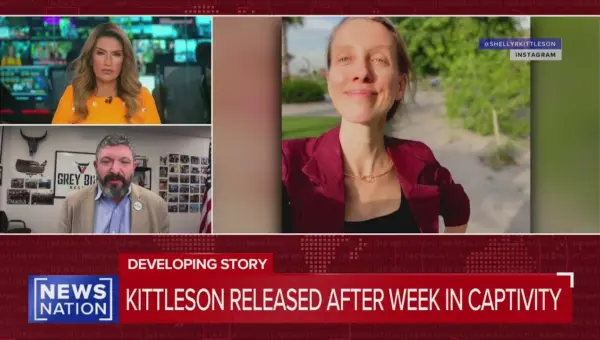
An American journalist, Shelly Kittleson, was released after being kidnapped in Iraq by the Iran-backed militia Kata'ib Hezbollah. The group's actions highlight its significant influence and sophisticated use of leverage in the region. This incident underscores the broader risks faced by journalists operating in conflict zones.
Iraq Militia Uses Journalist as Leverage, Signals Power
An American journalist, Shelly Kittleson, was freed after being kidnapped in Iraq by the Iran-backed Kata'ib Hezbollah militia. The group used her as leverage, demonstrating their power and sophisticated communication tactics. This incident highlights the significant risks journalists face and the complex influence of non-state actors in conflict zones.