Vance Vanishes: Senator’s Silence on War Sparks Political Fallout
Senator JD Vance's quiet stance on a new Middle Eastern conflict has drawn criticism, especially as rival Marco Rubio gains political traction. This analysis explores Vance's silence, Trump's past warnings about war, and the economic impact of the ongoing tensions, questioning the accountability of politicians during wartime.

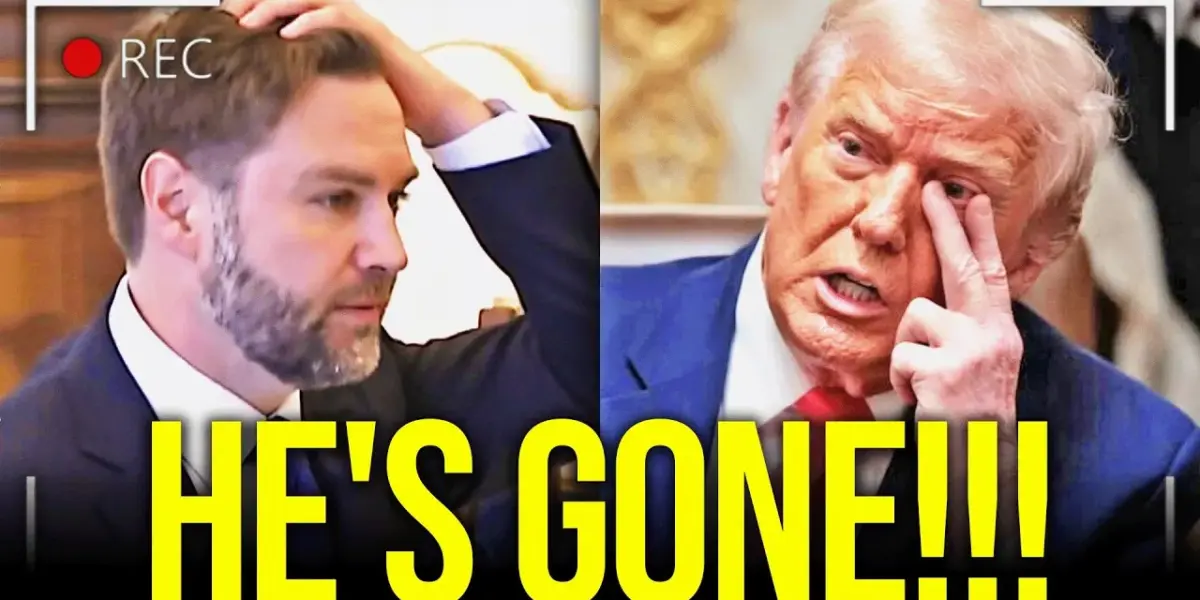
Vance Vanishes: Senator’s Silence on War Sparks Political Fallout
A new conflict in the Middle East has shifted its goals, moving from original objectives like regime change or nuclear concerns to a new focus: controlling the Strait of Hormuz. Iran is fighting back using methods suited to its strengths, a strategy known as asymmetric warfare, because the United States has a much larger and more powerful military. Iran’s older navy and air force are not a match for U.S. forces. So, Iran has chosen to use mines and missiles to block the Strait of Hormuz, making it a key battleground.
A Quiet Senator Amidst the Storm
This situation puts a spotlight on Senator JD Vance, who has been very vocal against wars for the past five years. However, since this new conflict began, Vance has been notably quiet. He has only appeared for one interview and has not been actively posting on social media, a platform he usually uses to share his strong opinions. This silence stands out, especially when compared to his quick reactions on other issues, like when he immediately retweeted a post calling a shooting victim a domestic terrorist.
Rubio Gains Ground as Vance Stays Hidden
Meanwhile, Secretary of State Marco Rubio, who is actively involved in foreign policy, is gaining attention and support. At a recent conservative conference, CPAC, Rubio was a prominent figure, and his public profile is growing. Adding to the pressure, Donald Trump has not yet endorsed Vance. The political stakes are rising, and it seems Vance may feel forced to support the war to avoid being outflanked on the political right by Rubio.
Echoes of Past Warnings: Trump’s Own Words
The current situation brings to mind past statements made by Donald Trump himself. Around 12 to 14 years ago, Trump criticized President Obama, predicting he would start a conflict in Libya or Iran to appear strong. Trump also spoke out about the vast sums of money and lives lost in Middle Eastern wars. He stated that entering the Middle East was a terrible decision. These words now seem eerily prophetic, especially as the United States faces ongoing costs and involvement in the region.
The High Cost of War and Debt
The economic impact of these wars is immense. The United States has spent trillions of dollars on conflicts in the Middle East. Now, the interest alone on this national debt is a staggering amount, costing about $1 trillion per year. This annual interest payment is even higher than the entire U.S. military budget. While many rightly question military spending, the cost of simply servicing the debt from past wars is a significant burden.
Vance’s Shifting Stance on Gas Prices
The closure of the Strait of Hormuz has led to rising gas prices, a direct consequence that affects everyday Americans. In a recent public statement, Vance suggested that rising gas prices were a temporary reaction to a short-term conflict. He stated that the U.S. was not interested in being involved in Iran for years to come and that the operation would be brief. However, the deployment of thousands of troops, including the 82nd Airborne Division and naval personnel, suggests a potentially longer commitment.
Mission Inversion: Fixing What Went Wrong
The situation illustrates a concept discussed on some news programs called “mission inversion.” This happens when an initial operation goes so poorly that the new mission becomes fixing the original mistakes. With the Strait of Hormuz closed and panic in Washington, the focus has shifted to managing the fallout of this conflict. This is a far cry from the initial objectives and highlights the unpredictable nature of military engagements.
Rubio’s Call for Global Action
As Iran threatens to permanently control the Strait of Hormuz and charge a toll, Marco Rubio has voiced strong opposition. He has called for international outrage and urged other countries to take action, stating that the U.S. will help but that other nations must lead. Rubio argues that Iran’s actions are illegal under international law and unacceptable. However, some critics point out that Rubio played a role in leading the U.S. into this conflict, making his current complaints seem disingenuous.
Vance’s ‘Lamest VP’ Remark and Economic Woes
In a moment that drew attention, Vance joked about being the “coolest vice president in American history” by setting a very low bar. This comment came as a banner behind him read “Lower Prices, Bigger Paychecks,” which he then corrected to “Lower Paychecks.” This Freudian slip highlights the current economic reality: wage growth is slowing, businesses are not hiring as much, and unemployment is rising. Tariffs are hurting businesses, and the cost of the ongoing war will likely worsen these economic conditions, especially as diesel prices climb.
The Commander-in-Chief’s Fatigue
The transcript ends with a description of Pete Buttigieg speaking while Donald Trump appears to be struggling to stay awake. This image is presented as a stark contrast to the seriousness of the commander-in-chief’s role. The speaker criticizes Buttigieg’s speech as overly dramatic and poorly delivered, suggesting it’s even too much for a tired Trump to endure. The segment ends with a call to subscribe and support the news feed.
Why This Matters
The silence of political figures like JD Vance during times of international conflict raises important questions about accountability and leadership. When a senator who has consistently spoken out against war becomes quiet during a new military engagement, it prompts scrutiny. This situation highlights the delicate balance between foreign policy decisions and their domestic political consequences. It also shows how quickly political narratives can shift, with rivals like Marco Rubio potentially benefiting from a vacuum left by a less visible figure. The economic implications, such as rising gas prices and potential job losses, directly affect the lives of ordinary citizens, making the public’s right to clear information and honest debate crucial.
Implications, Trends, and Future Outlook
This event signals a trend where political figures may become more cautious about taking strong stances on foreign policy, especially if those stances are unpopular or could be used against them by opponents. The rise of “mission inversion” suggests a growing recognition of the complexities and potential failures in military operations. We may see more political maneuvering around foreign policy, with politicians trying to position themselves advantageously without alienating key voting blocs. The economic fallout from such conflicts will likely continue to be a major concern for voters, influencing election outcomes and policy debates. The ability of politicians to clearly communicate the costs and benefits of war, and to appear decisive yet thoughtful, will be critical in shaping public opinion and future foreign policy decisions.
Historical Context and Background
The U.S. has a long history of involvement in the Middle East, dating back decades. Major interventions, such as the wars in Iraq and Afghanistan, have had profound and lasting consequences, both domestically and internationally. The immense financial cost, measured in trillions of dollars, and the human toll in lives lost and soldiers wounded, are significant parts of this history. Past predictions by political figures about potential future conflicts, like those attributed to Donald Trump regarding Iran, often resurface during new crises, serving as a reminder of the cyclical nature of geopolitical tensions and the challenges of avoiding prolonged military engagement.
Source: JD Vance HIDES OUT During Trump Health Crisis (YouTube)

Related Articles
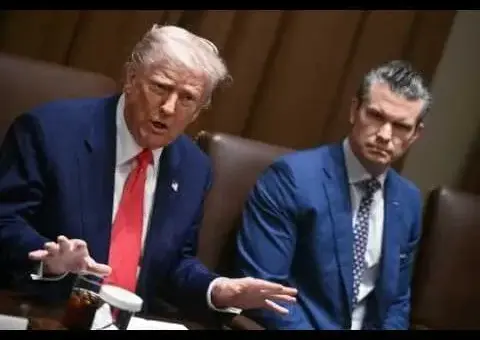
Trump’s Iran War Gamble: Broken Promises, Rising Costs
Reports indicate the Pentagon is preparing for ground operations in Iran, signaling a potential escalation of conflict. This move is criticized as a betrayal of campaign promises to avoid new wars and comes with rising gas prices and significant costs to American taxpayers. The analysis questions leadership priorities, contrasting campaign rhetoric with policy actions and highlighting the economic and human toll of prolonged military engagement.
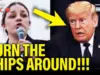
Ex-Intel Officer Labels US Actions in Iran as Terrorism
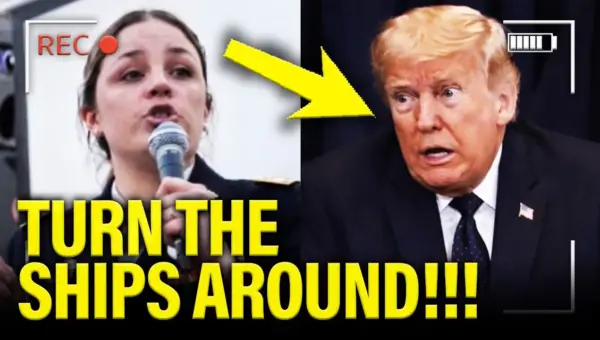
A former U.S. intelligence officer, Josephine Gilbo, delivered a powerful speech accusing the United States of terrorism due to its actions in Iran. Citing the bombing of a school that killed 165 girls, she argued U.S. military operations fit the definition of terrorism. Gilbo urged military commanders to refuse unlawful orders and questioned the purpose of the current deployments.
US Considers Ground Troops as Iran Conflict Intensifies
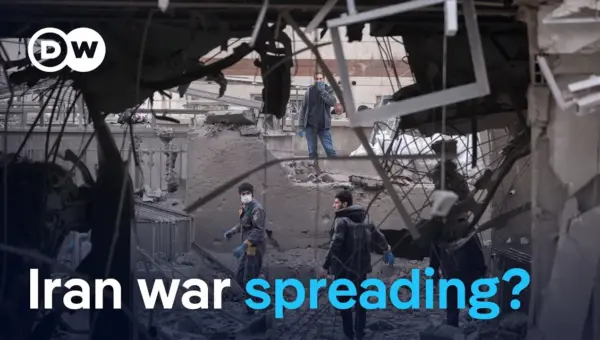
Middle East powers convene in Pakistan for peace talks as the month-long war intensifies. The US is reportedly considering ground troops amid escalating strikes on Iran, while experts caution against air power's political pitfalls and highlight the risks of a prolonged conflict.