Vance Plummets: VP’s Unpopularity Hits Historic Lows
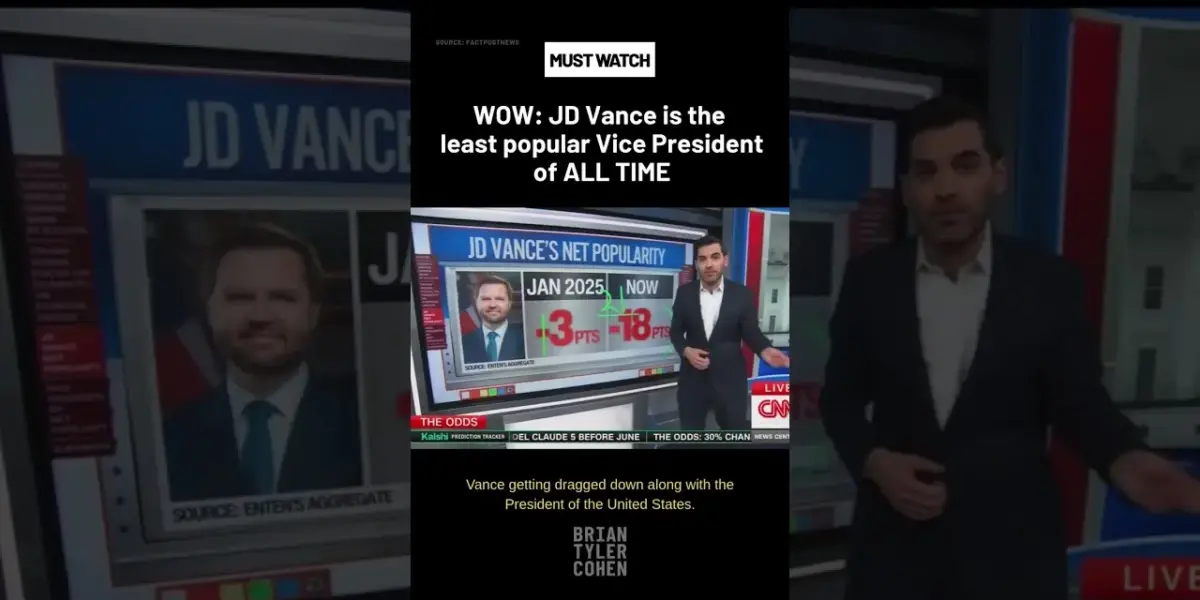
JD Vance's net popularity has plummeted to a historic low of minus 18 points, a 21-point swing downwards. This makes him the least popular Vice President at this stage of their term compared to historical figures. The trend raises questions about the evolving role and public perception of the Vice Presidency.

Vance Plummets: VP’s Unpopularity Hits Historic Lows
JD Vance, the current Vice President, is facing a significant drop in public approval. Recent polling shows his net popularity has fallen from a positive rating to a concerning negative 18 points. This represents a 21-point swing, marking a sharp decline during his tenure. Vance began his political career with a favorable public image, but that has since eroded considerably.
This downward trend places Vance in a historically unpopular position. When compared to previous Vice Presidents at a similar point in their terms, Vance’s numbers are the lowest on record. For context, Kamala Harris stood at minus 3, Mike Pence at minus 7, and Joe Biden at plus 4. Even Dick Cheney, who faced his own controversies, enjoyed a much higher rating of plus 37 during his vice presidency.
Historical Context for Vice Presidential Popularity
The role of Vice President has always been a challenging one, often seen as a stepping stone to the presidency. However, the public perception of Vice Presidents can fluctuate greatly. Historically, Vice Presidents have sometimes seen their own popularity dip as they become more associated with the President’s policies and any public dissatisfaction. This has been particularly true in recent decades.
Early Vice Presidents often held less public visibility. Figures like John Adams or Thomas Jefferson were prominent politicians in their own right before taking the office. Their popularity was often tied to their individual national standing rather than solely their VP role. As the media landscape evolved and the office gained more direct involvement in administration, the Vice President became a more visible, and thus more scrutinized, figure.
The modern era, starting perhaps with Walter Mondale, saw Vice Presidents take on more active roles. This increased visibility meant their approval ratings could more directly mirror or diverge from the President’s. The data suggests a potential trend where Vice Presidents are increasingly tied to the fortunes of the President, making them vulnerable to dips in public trust.
Why This Matters
JD Vance’s current standing is more than just a personal setback. It reflects broader dynamics within the current political climate. A Vice President’s popularity can significantly impact the administration’s overall message and its ability to connect with voters. If the VP is struggling, it can signal underlying issues with the administration’s appeal or policy direction.
This historical low also raises questions about the future of the Vice Presidency. Is this a temporary dip for Vance, or a sign of a lasting trend? The office has evolved from a largely ceremonial role to a powerful position. As VPs take on more responsibilities, their public image becomes increasingly critical. A widely unpopular VP could become a liability, hindering efforts to campaign, build consensus, or even pass legislation.
Implications and Future Outlook
The implications of Vance’s low approval are significant for the current administration. It suggests a potential disconnect with a portion of the electorate. This could affect the administration’s ability to rally support for its agenda or to secure re-election if the President is nearing the end of their term. The administration may need to reassess its communication strategies and how the Vice President is being utilized.
Looking ahead, Vance’s situation highlights the increasing importance of public perception for political figures. In an age of constant media scrutiny, maintaining a positive public image is crucial. The trend of Vice Presidents’ approval ratings closely tracking the President’s might continue. However, individual circumstances and public reception can always create outliers, as Vance’s current numbers suggest.
It will be important to watch how Vance’s popularity evolves. Will he be able to regain public trust, or will this negative trend define his vice presidency? The answer will likely depend on a combination of national events, the administration’s performance, and Vance’s own efforts to connect with the American people. His current historical standing serves as a stark reminder of the volatile nature of political favor.
Source: WOW: JD Vance is the least popular Vice President of ALL TIME (YouTube)

Related Articles

House Republicans Block Iran War Powers Vote
House Republicans blocked a Democratic effort to limit U.S. military action in Iran, intensifying political debate. Meanwhile, discussions on funding for the Department of Homeland Security are ongoing, with reconciliation being explored as a legislative path forward amidst geopolitical tensions with Iran.
Trump’s Inner Circle Calls for Removal Amidst Chaotic Statements
Prominent Trump allies like Candace Owens and Marjorie Taylor Greene are publicly questioning Donald Trump's mental fitness and calling for the 25th Amendment to be invoked. This follows Trump's own attacks on these figures, creating a significant rift within his base. Concerns are mounting over erratic statements and decision-making, particularly regarding foreign policy, leading to calls for his immediate medical evaluation.

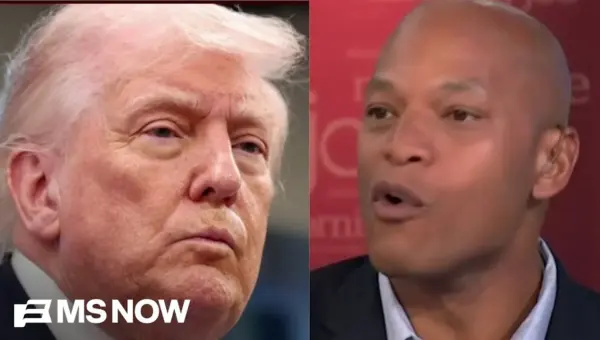
Gov. Moore Blasts GOP Silence on Trump’s Provocative Iran Posts
Maryland Governor Wes Moore urged Republican lawmakers to remember their oath to the Constitution, not President Trump, amid his provocative posts about Iran. Moore, a combat veteran, criticized the reliance on military power for regional stability and drew parallels to historical conflicts where adversaries could simply wait out U.S. involvement.