Vance Navigates Iran Crisis Amidst Trump’s Conflicting Statements
A US delegation is in Pakistan for critical talks with Iran aimed at reopening the Strait of Hormuz, a key global oil route. The mission comes as rising gas prices and inflation strain the US economy. Former President Trump's conflicting statements and J.D. Vance's described role add complexity to the high-stakes negotiations.

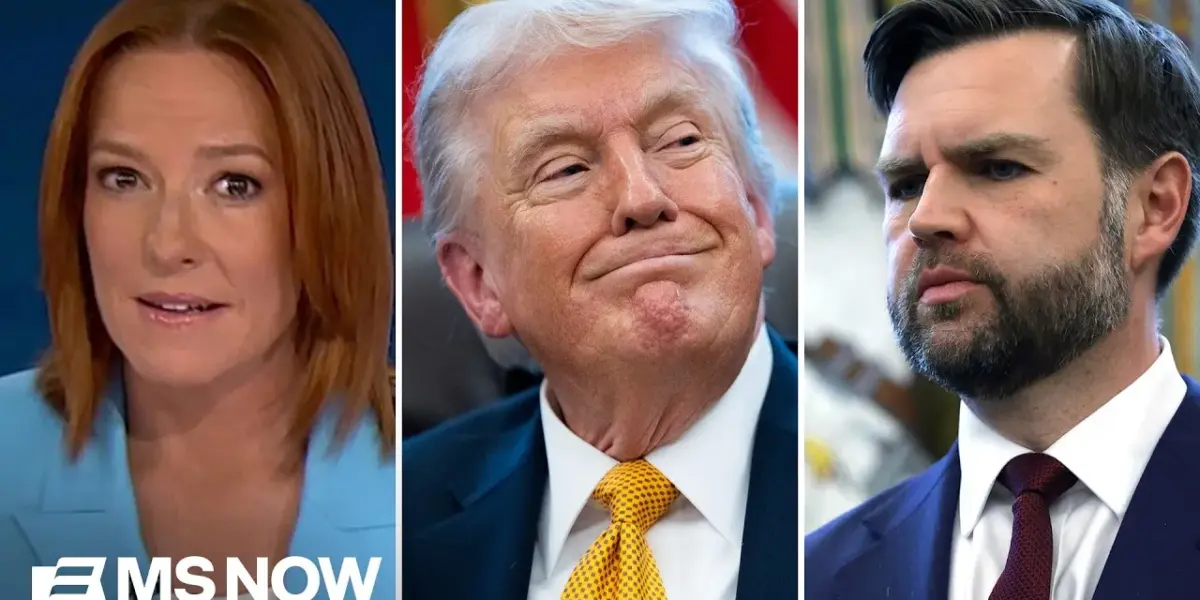
US Delegation Heads to Pakistan for Iran Talks Amid Economic Strain
A United States delegation, led by Vice President J.D. Vance, is en route to Pakistan for crucial negotiations aimed at ending the ongoing conflict with Iran and reopening the vital Strait of Hormuz. The mission comes at a time of significant economic pressure on the U.S., with rising gas prices and inflation directly linked to Iran’s actions. However, former President Donald Trump has offered conflicting messages, downplaying the severity of the situation while simultaneously claiming credit for any potential resolution.
Iran’s Strait of Hormuz Leverage Impacts US Economy
Iran’s control over the Strait of Hormuz, a critical global oil shipping lane, has had a direct and damaging impact on the American economy. The transcript highlights that this control has effectively shut down 20% of the world’s oil flow. Data released today shows a dramatic increase in U.S. gasoline prices, with regular gasoline prices jumping 25% from February to March. This marks the highest monthly percentage increase on record. Furthermore, the Consumer Price Index report indicates that overall inflation rose 3.3% compared to the previous year, with a nearly full percent increase in March alone, the largest monthly gain since June 2022.
Trump’s Contrasting Approach to the Crisis
While most presidents would focus on addressing such a significant economic and geopolitical crisis, Donald Trump’s reaction has been notably different. Instead of hunkering down to devise a strategy, Trump reportedly spent his time at a high-priced fundraising dinner for his super PAC at his winery in Charlottesville, Virginia. When questioned by reporters, he reiterated unsubstantiated claims that Iran had been militarily defeated and that the Strait of Hormuz would reopen on its own. This rhetoric stands in stark contrast to the diplomatic efforts underway, underscoring a disconnect between Trump’s public statements and the administration’s actions.
J.D. Vance’s Role in Negotiations Questioned
The responsibility for navigating these complex negotiations has largely fallen on Vice President J.D. Vance. However, his role has been described in less than definitive terms. When asked about his involvement, Vance stated his key role consisted of “sitting on the phone a lot” and answering and making calls. This description, while perhaps understated, raises questions about his direct leadership in high-stakes diplomatic talks. Former negotiators have expressed skepticism, noting that making phone calls is a far cry from engaging in face-to-face negotiations with a geopolitical adversary.
“My key role was I sat on the phone a lot, I answered a lot of phone calls, I made a lot of phone calls, and again, I’m happy about where we are.” – J.D. Vance
Trump Places Blame and Credit on Vance
Adding to the pressure on Vance, Trump has publicly stated his intention to assign blame or credit for the outcome of the negotiations to him. “If it doesn’t happen, I’m blaming J.D. Vance. If it does happen, I’m taking full credit,” Trump reportedly said when asked what he told Vance before his departure. This approach places Vance in a precarious position, making him the sole recipient of either success or failure, regardless of the complexities of the situation. Trump also mentioned wishing Vance luck, framing him as an observer in a process that Trump himself initiated.
Expert Analysis: Mistrust and Imbalance in Negotiations
Experts like Rob Malley, former lead negotiator on the Iran nuclear deal, and Admiral John Kirby, a national security analyst, have provided insights into the dynamics of the negotiations. Malley suggests that Iran may be maneuvering before the talks because they recognize that a deal is more critical for Trump’s political standing than for Iran itself. For Trump, the ongoing closure of the Strait of Hormuz and the resulting economic tailspin are significant liabilities. For Iran, while the war continues, they still maintain control of the Strait, allowing them to survive.
Admiral Kirby noted that a primary reaction from Iran and Pakistan to Trump’s rhetoric is likely continued distrust. Past experiences, including attacks following previous negotiation attempts, have left them feeling burned. This distrust, Kirby believes, fuels the tough talk from Tehran, as they are entering the negotiations with a high degree of suspicion regarding the current administration’s motives and objectives. Both sides are aware of the economic data and the impact of rising prices on the U.S. economy. This imbalance, where the U.S. economy suffers more each day the Strait remains closed, gives Iran leverage.
Military Options for Reopening the Strait of Hormuz
The possibility of military action to reopen the Strait of Hormuz was also discussed. Trump’s statement that the U.S. would be able to “finish it off” if the strait isn’t reopened has raised questions about potential military interventions. Admiral Kirby described such an undertaking as “huge.” He explained that sustaining an opening of the strait would require months of intensive effort, not just from the U.S. military but also from regional and potentially European allies. The operation would involve extensive convoys, requiring significant time and resources, constant intelligence, surveillance, and reconnaissance, and possibly even military action against islands used by Iran to launch attacks.
Kirby emphasized that the U.S. could not achieve this alone for any sustained period. The mission in 1988, for example, involved over 500 ships, whereas the U.S. currently has only around 300. This highlights the immense logistical and resource challenges associated with any military attempt to secure the Strait of Hormuz. The complexity and scale of such an operation suggest that diplomacy, despite its challenges, remains the most viable path forward.
Looking Ahead: The Stakes for the US and Iran
As the U.S. delegation engages in talks in Pakistan, the stakes are incredibly high. The economic well-being of the United States is directly tied to the resolution of this conflict and the reopening of the Strait of Hormuz. The success or failure of these negotiations will not only impact international oil markets but also significantly influence the political landscape. How the Biden administration and Iran navigate the complex dynamics, coupled with the unpredictable rhetoric from former President Trump, will be critical in determining the path forward.
Source: Humiliation mitigation: Hapless Vance heads to Pakistan saddled with Trump's Iran folly (YouTube)

Related Articles
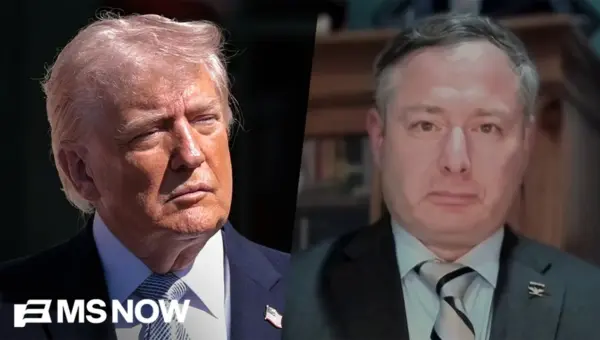
Vindman: Trump’s Iran Policy Leaves US in ‘Bad Position’
Congressman Eugene Vindman stated that former President Donald Trump's past actions have left the U.S. in a "bad position" for current negotiations with Iran. He criticized the proposed ceasefire terms as heavily favoring Iran and expressed concern over the control of the Strait of Hormuz. Vindman also urged Virginia voters to support a redistricting referendum as a way to push back against Trump's policies.

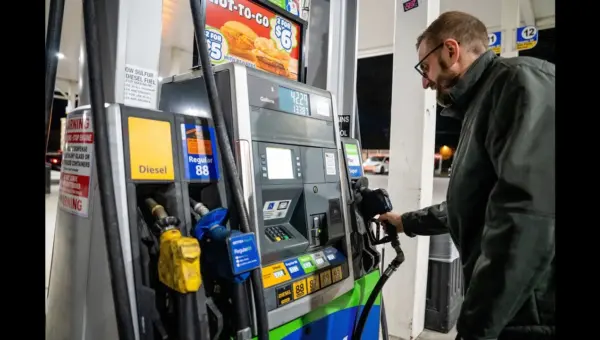
War Sparks Inflation Surge: Energy Prices Soar to 3.3%
The annual inflation rate in the U.S. has climbed to 3.3%, its highest point since May 2024. This surge is almost entirely due to a spike in energy prices, driven by the conflict in Iran. Core inflation, excluding food and energy, showed only a slight increase.

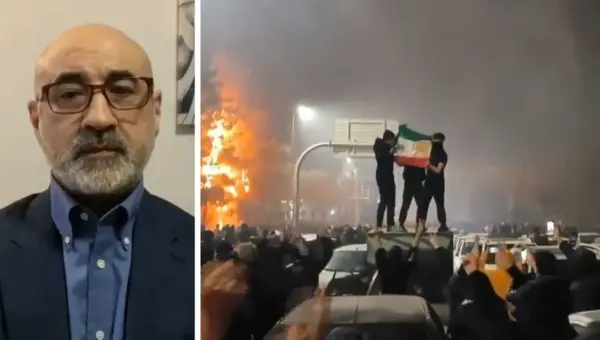
Iran’s Regime: A Stubborn Threat to Global Order
Iran's current regime is compared to a persistent cancer, challenging the global order and unlikely to become a peaceful neighbor. While state media showcases support, half the population opposes the government and faces severe risks for dissent. This internal division and external challenge create a complex and uncertain future.