Vance Fuels Fear: Nuclear Vest Claims Echo War-Mongering Tactics
Senator JD Vance's controversial "nuclear vest" claims about Iran are drawing sharp criticism, with many seeing echoes of past fear-mongering tactics used to justify war. The remarks raise questions about scientific feasibility and responsible communication of national security threats.

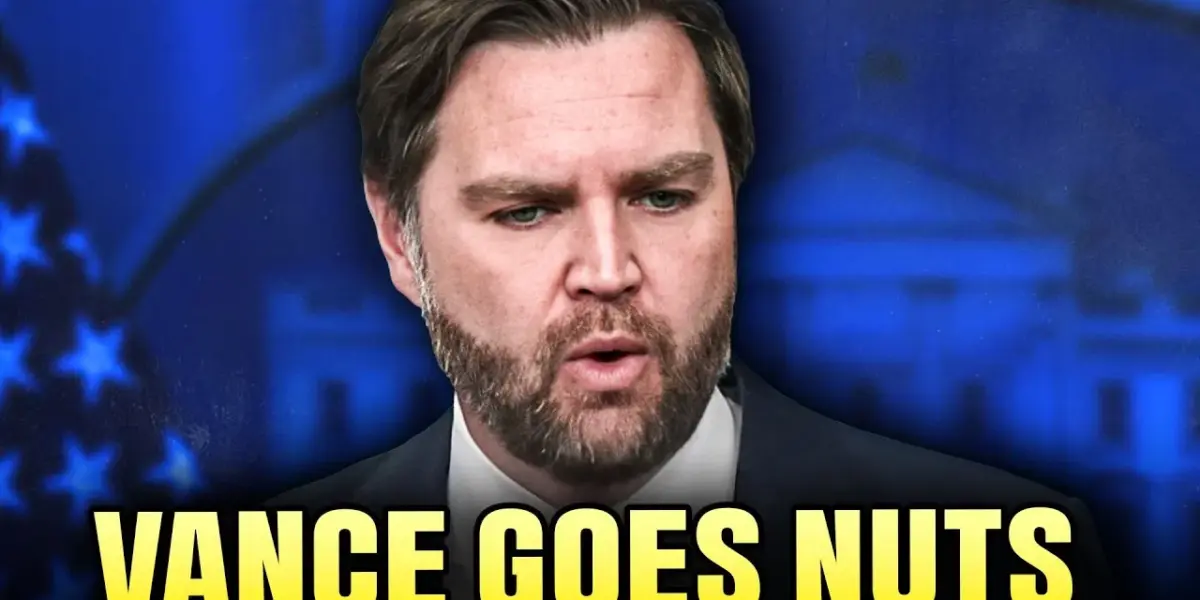
Senator Vance’s Chilling ‘Nuclear Vest’ Scenario Sparks Debate
In a recent cabinet meeting, Senator JD Vance reportedly presented a striking and controversial idea about Iran’s nuclear capabilities. He suggested that Iran might possess or be developing a “nuclear vest.” This isn’t a large bomb, but rather a device that could be worn by an individual. Vance’s point was to highlight a potential, albeit unusual, threat where such a device could be detonated in a public place, like a grocery store, causing mass casualties.
The senator’s remarks, as described, aimed to emphasize the urgency of preventing Iran from obtaining nuclear weapons. He stated, “What we have now that we didn’t have when the president took over just a little over a year ago is the ability to use every tool at our disposal to ensure that Iran doesn’t get a nuclear weapon.” He stressed that “options” are available to achieve this goal, though the specific nature of these options was not detailed, leading to criticism about vagueness.
Questioning the Science and the Strategy
Critics quickly pointed out the scientific challenges of creating such a miniaturized nuclear device. For a nuclear weapon to be effective, it typically requires a significant amount of fissile material and complex engineering. The idea of a compact, wearable nuclear bomb that could be easily concealed and detonated raises serious questions about current nuclear physics and engineering capabilities. As one observer noted, it seems contradictory for Iran to be supposedly incapable of building a large bomb, yet advanced enough to create the “most sophisticated miniature nuclear weapon known to humankind.”
The concept of a nuclear vest also overlooks practical security measures. Any device emitting significant radiation, as a nuclear weapon would, would likely be detected by sophisticated monitoring systems long before it could be used. Laboratories and military surveillance networks are designed to pick up such anomalies. This suggests that a person attempting to carry a nuclear device into a crowded area would face a high probability of detection.
Echoes of Past Fear-Mongering
The rhetoric used by Vance has drawn comparisons to the lead-up to the Iraq War. During that period, public discourse was heavily influenced by fears of imminent terrorist attacks and weapons of mass destruction. Critics argue that Vance’s “nuclear vest” scenario serves a similar purpose: to generate fear and anxiety among the public. This fear, they contend, is then used to justify aggressive foreign policy actions or to rally support for a particular administration’s agenda.
This tactic, often called fear-mongering, involves exaggerating threats to persuade people to support certain policies. The argument is that by presenting a terrifying, albeit unlikely, scenario – terrorists with nuclear vests in supermarkets – the public is more likely to accept strong military or political responses. This approach bypasses rational debate and appeals directly to people’s deepest fears.
Why This Matters
The debate around Senator Vance’s remarks is significant because it touches on how national security threats are communicated to the public. When leaders use highly dramatic and scientifically questionable scenarios, it can distort public understanding of complex geopolitical issues. This can lead to support for policies based on emotion rather than evidence. Furthermore, it risks alienating allies and escalating tensions through rhetoric that may not be grounded in reality.
The effectiveness of fear as a political tool is a long-standing concern. While leaders must inform citizens about genuine dangers, they also have a responsibility to do so accurately and without undue exaggeration. The current discussion highlights the ongoing tension between the need for vigilance against real threats, such as nuclear proliferation, and the potential for such concerns to be exploited for political gain.
Historical Context and Future Outlook
The history of international relations is filled with examples where fear of an adversary’s capabilities was used to justify conflict. The period following 9/11 and the rationale for the Iraq War are prime examples. Warnings about “weapons of mass destruction” and “terrorists around every corner” created an atmosphere where dissent was difficult and military action seemed inevitable. Vance’s comments tap into this historical pattern, suggesting that similar tactics are being employed today.
Looking ahead, the way governments communicate about national security threats will continue to be crucial. As technology advances, so too will the potential for new and complex dangers. It will be vital for citizens to critically evaluate the information they receive, distinguishing between genuine threats and politically motivated fear-mongering. The responsible use of rhetoric by political leaders is essential for maintaining informed public discourse and making sound policy decisions in an increasingly complex world.
“The craziest thing said by anybody in this administration, in my opinion, was said during the cabinet meeting that took place on Thursday. And it was said by Vice President J. D. Vance.”
Implications and Trends
Senator Vance’s “nuclear vest” statement points to a broader trend of heightened rhetoric surrounding Iran’s nuclear program. This is occurring at a time when international efforts to curb Iran’s nuclear ambitions have faced significant challenges. The comments could signal a shift towards a more aggressive stance, or they might be an attempt to pressure Iran through public opinion and international diplomacy.
The emphasis on a “nuclear vest” as a potential weapon, while seemingly far-fetched, could also reflect a concern about unconventional warfare and terrorism. As state actors and non-state groups explore new methods of attack, security agencies and policymakers must consider a wide range of threats. However, the public presentation of these threats requires careful consideration to avoid unnecessary panic.
Source: INSANE JD Vance Says Iran Could Target Grocery Stores With Nukes (YouTube)

Related Articles

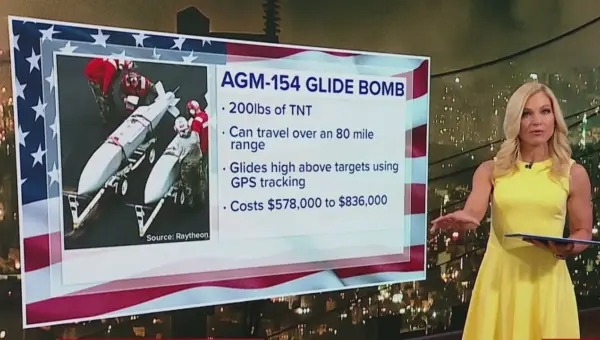
Iran War Costs Soar, Fueling Global Energy Price Hikes
The escalating war involving Iran, the U.S., and Israel has already cost over $11 billion, heavily impacting global energy markets. Missile strikes and drone warfare are driving up gas prices worldwide, with the Strait of Hormuz remaining a critical choke point.
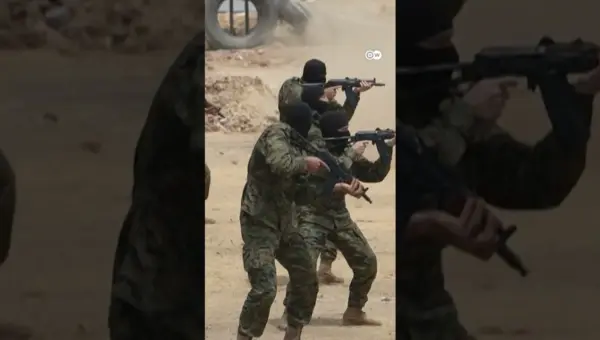
Hezbollah Faces Declining Support in Lebanon Amid War and Political Shifts
Support for Hezbollah in Lebanon is fragmenting, with many citizens blaming the group for recent conflicts and desiring state control over weapons. Once a dominant political and military force, Hezbollah's influence has waned due to regional entanglements and the devastating impact of war. The group now faces a divided public and a political landscape increasingly pushing for its disarmament.
US Deploys Marines Amid Escalating Iran Conflict
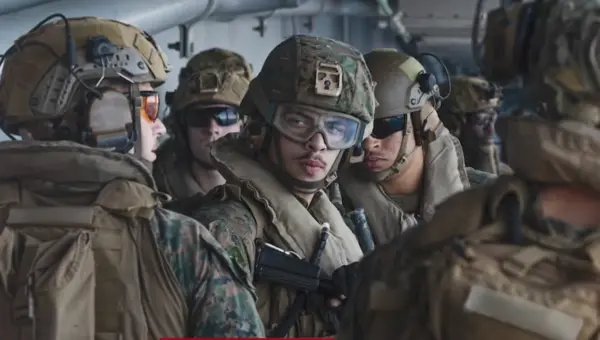
The U.S. has deployed 3,500 Marines and sailors to the Middle East amid escalating tensions with Iran. This move signals preparedness for potential conflict, while diplomatic channels remain open through intermediaries like Pakistan.