Valve Unveils New Steam Hardware: A Game Changer?
Valve has unveiled three new hardware products: a compact Steam Machine mini-PC, a revamped Steam Controller, and the innovative Steam Frame VR headset. Aiming for 4K 60fps gaming and advanced VR streaming, these devices signal Valve's continued commitment to PC gaming innovation.

Valve Drops Three New Hardware Surprises: Steam Machine, Controller, and VR Headset
Valve, the titan behind Steam, has just pulled back the curtain on a trio of exciting new hardware products, signaling a significant push into new gaming frontiers. After getting hands-on with these devices, it’s clear Valve is once again aiming to innovate with unique technology. The lineup includes a compact Steam Machine mini-PC, a revamped Steam Controller, and the impressive Steam Frame VR headset. Let’s dive into what makes these new offerings tick.
The Tiny Powerhouse: Steam Machine
First up is the new Steam Machine, a console-like mini-PC designed to bring the intuitive Steam OS experience to your TV or desktop. Valve’s ambitious performance goal is for any game on Steam to run at a smooth 4K 60 frames per second, leveraging FSR3. Under the hood, it boasts semi-custom AMD chips for both CPU and GPU, with the GPU performance reportedly exceeding the Steam Deck by over six times. It packs 16GB of user-replaceable memory and 8GB of dedicated video memory.
The most striking aspect of the Steam Machine is its size. It’s an incredibly compact, roughly 6-inch cube, measuring about 3.5 liters in volume. Connectivity is generous, featuring DisplayPort, HDMI, Gigabit Ethernet, one USB-C, two USB-A ports on the back, and an additional two USB-A ports and a microSD card slot up front. The microSD slot offers a neat trick for Steam Deck users: simply pop out your card and insert it into the Steam Machine to instantly access your game library.
Customization options include a magnetic faceplate, with Valve showcasing unique variants and even a DIY version featuring an e-ink display. Behind a removable panel lies an easily accessible dust grill, and an RGB light bar can be controlled to display download progress, offering a subtle visual cue for game updates.
Internally, the Steam Machine is densely packed. The storage is user-replaceable, supporting a 2230 short drive but allowing for a full-size 2280 SSD. It features a custom heatsink and a 300-watt internal power supply, eliminating the need for an external brick. Cooling is handled by a single, remarkably quiet fan. Valve claims noise levels remain around 20-25 dB at idle and peak at a mere 28-30 dB even under full load, a testament to their focus on thermodynamics and fluid dynamics for optimized airflow.
Regarding performance, the GPU is comparable to a high-wattage RTX 4060 laptop, making it solid for 1080p gaming. For 4K, expect FSR3 to be essential for heavier titles. During testing, the sleep-wake function was seamless, and overall performance exceeded expectations, with fast and fluid game swapping.
The Steam Machine features four antennas: two for Wi-Fi 6E, one for Bluetooth, and a dedicated fourth for Valve’s proprietary controller. Pricing details are scarce, but Valve indicates it won’t target console prices, aiming instead to be competitive with small form-factor PCs, likely in the $650-$800 range. While the CPU and GPU are not upgradeable, the RAM is, and the overall package is described as unprecedented for its size, quiet operation, and functionality.
The Evolution of Input: New Steam Controller
Valve is also releasing a new Steam Controller, building on the legacy of its predecessor. The original Steam Controller was praised for its innovative touchpad, offering mouse-like input for couch gaming. This new iteration takes inspiration from the Steam Deck’s control scheme, integrating dual touchpads, gyro controls, and top-tier magnetic joysticks into an ergonomic design.
It supports both wired and Bluetooth connections, but for the best experience, it utilizes an RF transmitter. This transmitter doubles as a magnetic charging puck, offering a satisfyingly simple and secure way to dock the controller. The magnetic connection ensures it only attaches correctly, preventing accidental misalignment.
The controller feels premium in hand. A standout feature is its use of TMR (Transverse Magnetic Resonance) sticks, a magnetic technology touted as superior to Hall effect sensors, promising greater reliability, reduced drift, and smaller dead zones. While soldered on, Valve believes their durability makes replacement unlikely.
The rear of the controller features capacitive sensors for gyro reset. This innovative system allows users to disengage the gyro when hands are in an uncomfortable position, reset their grip, and then re-engage for continued precise control. While the reviewer doesn’t personally use gyros extensively, they acknowledge the potential appeal of this feature.
Four high-definition linear haptic motors provide precise tactile feedback, going beyond simple rumble. Battery life is estimated at 30-40 hours, ample for most users, especially with the convenient charging puck. The controller will be a separate purchase, with an expected price point around $60-$70, a modest increase from the original’s $50 launch price.
Immersive Worlds: Steam Frame VR Headset
The most ambitious announcement is the Steam Frame, a VR headset designed for both streaming and standalone use. As a streaming headset, it can connect to a gaming PC, laptop, or the new Steam Machine via a USB port, wirelessly transmitting the game feed.
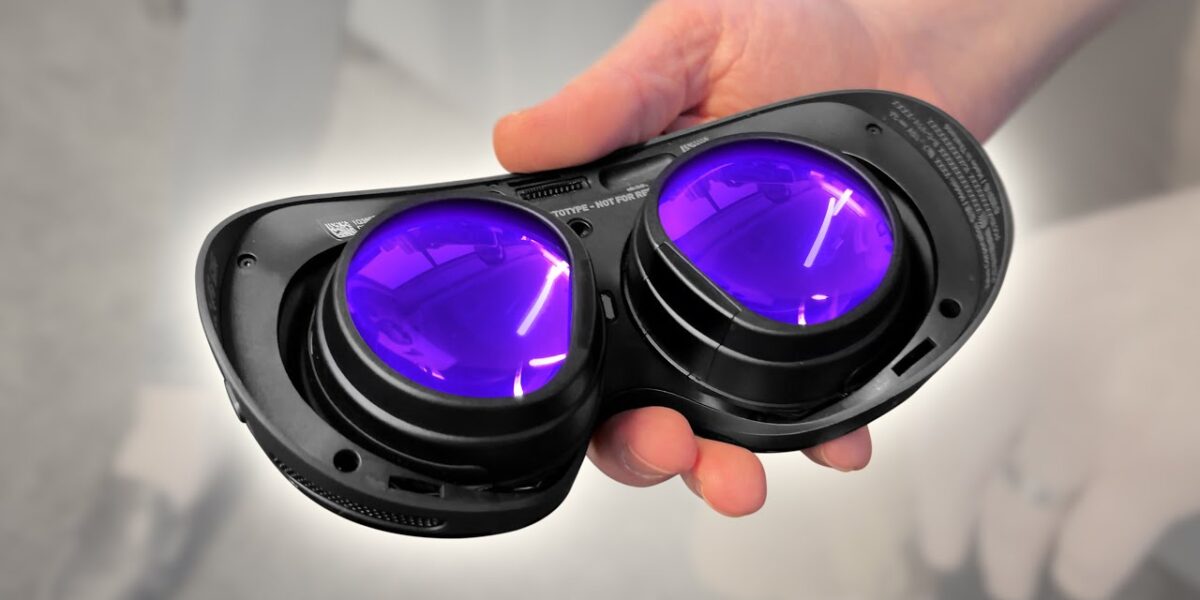
The standalone capability means it can function as a self-contained VR system, untethered from any external device. The headset is remarkably comfortable and lightweight, weighing under a pound. It features four front-facing cameras, two internal cameras for eye-tracking, and boasts a high-quality screen and optics.
Valve’s innovation shines in its streaming technology. A dedicated Wi-Fi 6E wireless adapter ensures an uninterrupted, dedicated stream for visuals and audio, separate from general network traffic. More significantly, it introduces ‘foveated streaming.’ This technique, using eye-tracking, boosts the streaming bitrate to the exact area the user is looking at while lowering it for the periphery. This allows for exceptional visual clarity where it matters most, with minimal perceptible artifacts. The system is so responsive that even trying to catch it in rapid eye movements proved difficult.
Crucially, foveated streaming works out-of-the-box with any Steam game, requiring no developer intervention, unlike foveated rendering which necessitates game engine integration. This means users can enjoy near-wired connection quality with the freedom of wireless VR.
In standalone mode, the Steam Frame is powered by a Snapdragon 8 Gen 3 mobile chip and runs Steam OS on ARM. Valve has developed a system, including FEX (x86 to ARM translation) and Proton, to run traditional x86 PC games on the ARM architecture with minimal overhead, a feat Microsoft has struggled with. Early demos showed titles like Hades 2 running smoothly, demonstrating the effectiveness of Valve’s control over the entire software stack.
The headset’s design features a detachable front module containing optics, processor, RAM, storage, cameras, and cooling, allowing for future accessory upgrades like different straps or batteries. The integrated speakers utilize force-canceling technology to prevent vibrations from interfering with camera tracking. The strap system is reminiscent of ski goggles, offering a secure, once-adjusted fit. Buttons on the front control auxiliary functions and volume. Notably, the passthrough cameras are black and white, with Valve focusing on core gaming features, though color passthrough may come via third-party add-ons.
The optics utilize custom pancake lenses, offering a 110-degree FOV with a 2160 x 2160 resolution per eye. The included ‘Frame Controller’ offers advanced tracking and capacitive sensors on all input surfaces. The rear battery pack provides a balance of weight and longevity. Valve aims for a price point below the original Valve Index ($700-$900), but faces stiff competition from the Meta Quest 3, which offers a compelling VR experience at a significantly lower price point.
Availability and Verdict
All three new Steam hardware products are slated for a early 2026 retail release. While Valve has a history of pushing boundaries, the success of these devices will depend on their final pricing, performance, and adoption against established competitors. The Steam Machine offers a unique, compact PC gaming solution, the Steam Controller refines an innovative input method, and the Steam Frame pushes the envelope for wireless and standalone VR. Gamers will be eagerly watching to see if Valve can once again redefine the landscape.
Source: The New Steam Hardware is AMAZING!! (YouTube)

Related Articles


Valve’s Steam Machine Returns, Embracing Linux for Gaming
Valve's new Steam Machine reimagines the console with a powerful Arch Linux-based operating system, offering seamless transitions between gaming and a full PC desktop experience. Leveraging Proton for Windows game compatibility, it aims for affordability and flexibility, challenging the traditional console market.


Valve’s Counter-Strike Gambling: A Loophole-Ridden Industry
Valve's Counter-Strike faces ongoing scrutiny over its loot box system, which critics argue functions as a gambling mechanism. Despite years of controversy and regulatory findings, the company has largely relied on legal loopholes, such as the inability to directly cash out virtual skins, to avoid gambling regulations, raising concerns about underage participation and ethical business practices.


Lenovo’s 3D Laptop Concept: A Glimpse into the Future?
Lenovo's Yoga Book Pro 3D concept showcases a glasses-free 3D display and advanced hand tracking for 3D artists. While powerful and innovative, its niche appeal and current limitations cast doubt on its market future.