Utah Court Rejects GOP Redistricting; Midterm Impact Debated
A Utah court has blocked Republican attempts to gerrymander congressional districts, securing a map favorable to Democrats for the 2026 midterms. Legal experts warn of ongoing redistricting battles nationwide and potential impacts on the Voting Rights Act.

Utah Court Blocks GOP Redistricting Ahead of 2026 Elections
In a significant legal development with potential repercussions for the 2026 midterm elections, a Utah state court has ruled against Republican efforts to gerrymander congressional districts. The decision, issued on February 23rd, invalidates a map that critics argued unfairly divided Salt Lake City into multiple districts, diluting the voting power of its residents. This ruling marks a victory for Democrats and voting rights advocates who have been challenging the redistricting map.
GOP’s ‘Hail Mary’ Falls Short in Federal Court
Republicans had attempted to push through their preferred redistricting map, which was criticized for its piecemeal division of Salt Lake City, a Democratic stronghold. After facing legal challenges in state courts, the GOP turned to a federal court, hoping for a conservative bench to halt the state court’s decision. However, this strategy failed, with the federal court ultimately siding with the state’s constitutional requirements for fair representation. The court emphasized a critical deadline: February 23rd, the date by which election officials needed to know which map would be used for the upcoming election cycle.
“The lieutenant governor takes no position on the merits of plaintiff’s claim. However, she represents to the court that she must know by February 23rd, 2026 which redistricting map to implement.”
Three-judge panel ruling
Deadline Looms: Map for 2026 Locked In
The timing of the court’s decision is crucial. With the filing period for candidates set to begin on March 9th, election officials in Utah needed a definitive answer on the electoral map. The court’s ruling, coupled with the approaching deadlines, effectively locks in the map that includes a distinct Salt Lake City district. This outcome presents a tangible opportunity for Democrats to gain a seat in the House of Representatives in 2026, a prospect that Republicans had sought to prevent through their redistricting efforts. Despite ongoing efforts by some factions to collect signatures to challenge the process, legal experts indicate these actions will not impact the map used for the 2026 elections due to the established hard deadline.
Broader Implications: The Long Game of Redistricting
While the Utah ruling directly impacts the 2026 midterms, legal analysts warn that the fight over redistricting is far from over. Experts like Mark Elias, a prominent voting rights attorney, emphasize that Republican strategists are engaged in a long-term battle, preparing for elections beyond 2026 and even the next presidential election cycle. This involves ongoing litigation and legislative efforts aimed at shaping electoral maps for future censuses.
Elias highlighted ongoing legal battles in states like Florida, New York, Virginia, Wisconsin, Texas, and Missouri, all of which could influence the balance of power in Congress. He also pointed to a critical U.S. Supreme Court case, *Mallory v. Norfolk Southern Railway Co.*, which could potentially weaken Section 2 of the Voting Rights Act. Such a ruling could open the door for Republicans to redraw maps in several Southern states, potentially shifting a dozen or more seats.
“The Republicans are fighting the fight in front of them because they know they’re going to lose control of the House if they don’t cheat. But they are also preparing to fight what it looks like when Donald Trump is not on the ballot in the next presidential election… because their party is in a shambles.”
Mark Elias
Call to Action: Supporting Voting Rights Litigation
The discussion underscored the critical role of organizations like Democracy Docket, which litigates numerous redistricting cases across the country. Viewers were encouraged to support the work of Elias and his team by subscribing to Democracy Docket and the Democracy Watch YouTube channel, which provides real-time analysis of these legal developments. The urgency stems from the continuous nature of these legal battles, with potential rulings from the U.S. Supreme Court expected imminently, including decisions that could significantly impact voting rights and electoral maps nationwide.
What’s Next: Supreme Court Decisions and Future Battles
All eyes are now on the U.S. Supreme Court, which is expected to issue key decisions in the coming days and weeks. The outcome of cases like the one concerning the Voting Rights Act could have far-reaching consequences, potentially altering the electoral landscape for years to come. As the 2026 midterms approach, the legal challenges surrounding redistricting are expected to intensify, making vigilance and informed engagement by the public essential for safeguarding democratic processes.
Source: “BLOCKBUSTER!” Huge loss in court SCREWS Trump in midterms (YouTube)

Related Articles


Dem Strategist Warns of GOP Rigging Ahead of Midterms
Democratic strategist Simon Rosenberg expresses concern over alleged Republican plans to 'rig the midterms,' highlighting a shift in political tactics. The discussion emphasizes voter empowerment and vigilance to ensure every vote is counted in the upcoming elections.
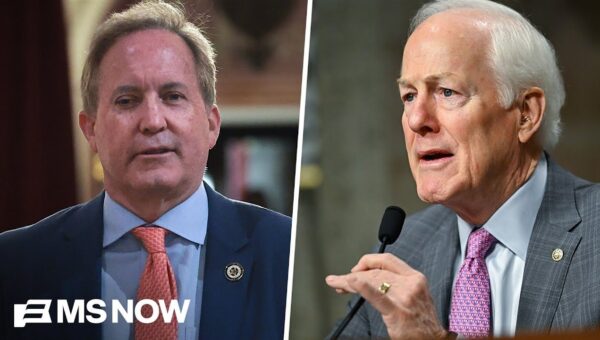
Trump Stays Silent in Key Texas Senate Primary
Donald Trump has notably withheld an endorsement in the key Texas Republican Senate primary between John Cornyn and Ken Paxton, sparking strategic analysis. Meanwhile, Democrats grapple with electability versus energy in their own contested primary, seeking lessons for the upcoming midterm elections.

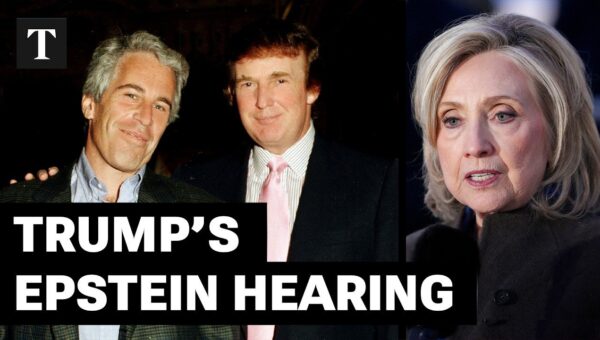
Trump Faces Testimony as Epstein Hearing Fallout Grows
Hillary Clinton testified before the House Oversight Committee regarding her alleged ties to Jeffrey Epstein, calling for a public hearing. Political strategist Rick Wilson criticized the hearing as a "MAGA media spectacle" aimed at distracting from Trump. Potential repercussions for Trump and his allies, including testimony, are discussed in light of the ongoing Epstein revelations and upcoming midterm elections.