Used EVs Offer Strong Value Proposition for Consumers
Consumers are finding significant value in the used electric vehicle market, with some models like older Teslas retaining their value remarkably well. This trend offers a compelling alternative to purchasing new vehicles, highlighting the long-term cost-effectiveness of pre-owned EVs.


Used Electric Vehicles Present a Compelling Value Case
The burgeoning market for used electric vehicles (EVs) is increasingly demonstrating a robust value proposition for consumers, with some models retaining their value exceptionally well and offering significant cost savings compared to new counterparts. This trend is particularly evident in the Tesla ecosystem, where older models are proving to be durable and economically sensible choices for daily driving.
Depreciation Dynamics in the EV Market
While new car depreciation is a well-understood phenomenon across the automotive industry, the EV sector is exhibiting unique dynamics. For instance, a 2019 Tesla Model 3, a vehicle now several years old, continues to function effectively for its owner, highlighting the longevity of modern EV powertrains. This sentiment is echoed by the experience of driving a 2015 Volvo with over 100,000 miles, acquired for a mere $1,000, underscoring the potential for ultra-low-cost transportation with older, well-maintained internal combustion engine (ICE) vehicles.
However, the focus shifts to the sustained value of certain EVs when considering more recent pre-owned models. A 2020 Tesla, purchased for $23,000 with approximately 73,000 miles on the odometer, is projected to retain its full purchase value into the following year. This remarkable value retention suggests that the initial depreciation hit on this particular EV model has already been absorbed by the first owner, presenting a financially astute opportunity for a second owner.
Strategic Consumer Choices in Vehicle Acquisition
This observation points to a strategic approach to vehicle ownership that prioritizes long-term cost efficiency over the allure of the latest models. The individual in question, despite possessing the financial capacity to purchase a brand-new vehicle, opts against it. The primary motivation cited is the avoidance of significant capital loss associated with new car depreciation. This perspective suggests that for many consumers, the financial prudence of buying a well-maintained, slightly used EV can outweigh the benefits of acquiring a new one.
Sector Context and Broader Implications
The automotive industry, and specifically the EV segment, is undergoing rapid technological advancements and scaling of production. This has led to increased competition and, in some cases, price adjustments for new vehicles. Consequently, the used car market, including EVs, is becoming more attractive. Major automakers are investing heavily in EV development, which in turn is increasing the supply of used EVs as leases expire and newer models become available. This dynamic is likely to continue to put downward pressure on new EV prices and bolster the value proposition of pre-owned models.
For investors, this trend has several implications. It suggests that manufacturers with a strong presence in the used EV market, particularly those with models that hold their value well, may see sustained demand. It also indicates that the total cost of ownership for EVs, when factoring in purchase price, fuel savings (electricity vs. gasoline), lower maintenance costs, and strong residual values, can be highly competitive with, or even superior to, traditional gasoline-powered vehicles. Companies focused on battery technology, charging infrastructure, and EV servicing may also benefit from the growing number of EVs on the road, regardless of whether they are new or used.
Market Impact
The strong residual value of certain used EVs, like the 2020 Tesla mentioned, can significantly influence consumer purchasing decisions. It lowers the barrier to entry for EV adoption, making the technology accessible to a broader demographic. This sustained demand in the pre-owned market can, in turn, support the overall health and growth of the EV industry. Manufacturers might need to adjust their pricing strategies for new vehicles if they observe that older models are retaining value so effectively, potentially indicating that new car prices are too high relative to the value proposition of slightly used alternatives.
What Investors Should Know
- Sustained Demand for Used EVs: The financial prudence of purchasing pre-owned EVs, particularly those with strong value retention, is likely to drive continued demand in the secondary market.
- Total Cost of Ownership (TCO): When evaluating the financial viability of EVs, consumers and investors should consider the TCO, which includes purchase price, running costs, and resale value. The transcript highlights that for some EVs, the TCO can be very competitive.
- Manufacturer Strategy: Automakers that can produce EVs with a reputation for reliability and good residual values are likely to benefit from both new and used car sales.
- Impact on New Car Pricing: The strong performance of the used EV market could pressure manufacturers to reconsider pricing strategies for new models, especially in segments where older models hold their value exceptionally well.
- Long-Term Viability: The example of a 7-year-old Tesla still driving well suggests that EVs can offer long-term transportation solutions, aligning with sustainability goals and potentially reducing the frequency of vehicle replacement.
In conclusion, the narrative around the value of used electric vehicles is shifting. Rather than being seen as depreciating assets, certain models are proving to be sound financial investments for consumers seeking cost-effective and sustainable transportation. This trend is not only beneficial for individual buyers but also contributes to the broader adoption and maturation of the electric vehicle market.
Source: Why I Only Drive Old Teslas! (YouTube)

Related Articles


AI’s Economic Shift: Ownership is the New Wage
Artificial intelligence is projected to significantly reduce the economic value of human labor within a decade. Experts suggest that capital ownership, rather than wages, will become the primary means of wealth accumulation. Investors are urged to consider this shift in their long-term strategies.

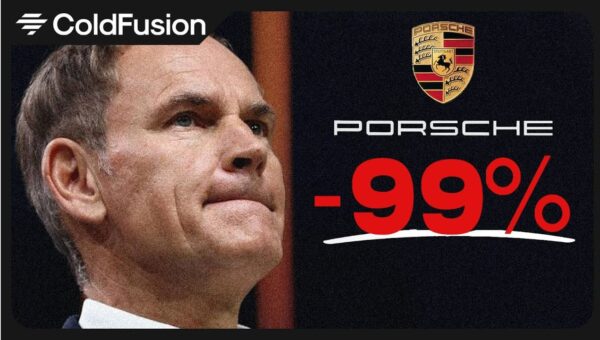
Porsche’s Profit Plunge: A Business Model in Crisis
Porsche's operating profit has plummeted by 99%, signaling a crisis for its long-standing business model. The luxury automaker faces challenges from shifting market demands, intense EV competition, and the high costs of electrification, forcing a strategic recalibration.


Housing Market Fears: Separating Fact from Fiction
Alarming charts suggesting a housing market collapse are misleading due to limited data. While the market is undergoing a correction, understanding economic factors and regional variations is key for buyers, sellers, and investors.