US Weighs Troop Surge in Iran Standoff Amid Escalating Tensions
The U.S. may deploy thousands of ground troops to the Middle East as part of escalating tensions with Iran. This potential move comes amid a pause in U.S. strikes and ongoing Israeli actions against Iranian military sites. Analysts suggest this could signal a shift towards ground operations or provide space for diplomatic talks.

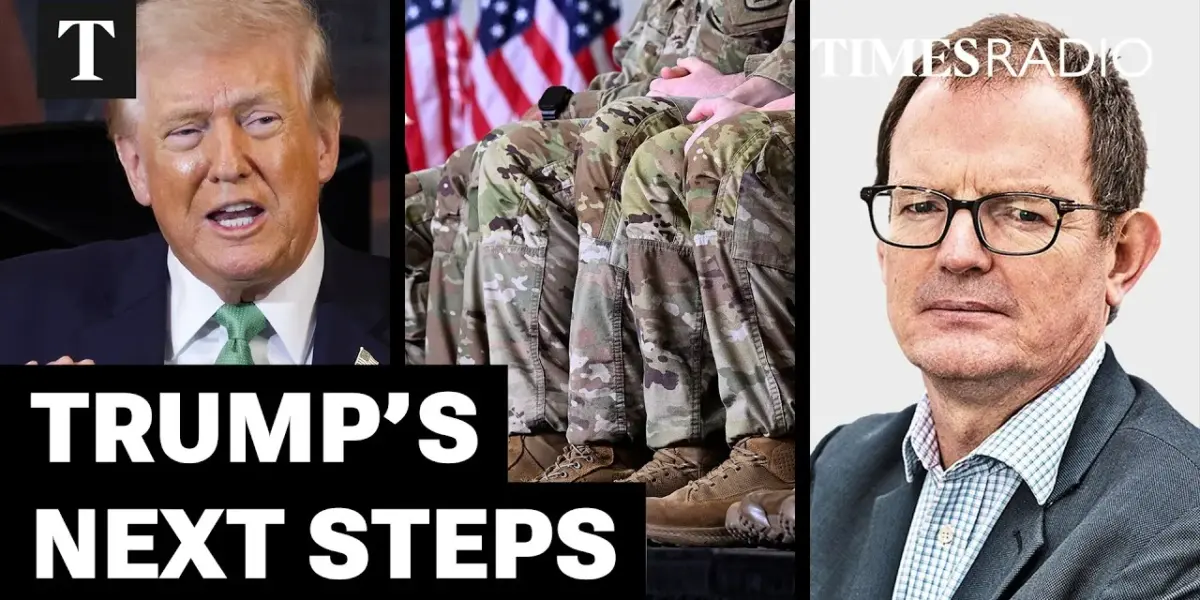
US Considers Ground Troops as Iran Conflict Nears Critical Juncture
The United States is reportedly considering a significant deployment of ground troops to the Middle East as tensions with Iran continue to rise. This move comes as Israel’s defense minister confirmed ongoing attacks on Iranian missile sites and naval facilities. Meanwhile, President Donald Trump has extended a pause on U.S. strikes against Iran’s energy infrastructure for an additional 10 days, citing progress in talks.
A Fork in the Road: Invasion or Negotiation?
Richard Spencer, foreign correspondent for The Times, speaking from Tel Aviv, described the current situation as a “proverbial fork in the road.” He explained that despite extensive bombing campaigns by the U.S. and Israel targeting Iran’s military capabilities, the conflict has not ended. Iran still maintains control over key waterways like the Strait of Hormuz, showing that military action alone has not achieved the maximalist goals of either side.
Strategists are weighing two primary paths forward. One is further escalation, which Spencer suggests would likely involve ground forces. This could mean deploying troops to seize strategic sites along the coast that Iran uses to control the strait. The other path is de-escalation through negotiations, with the current 10-day pause in strikes providing a potential window for these talks to develop.
“If you’re going to escalate, if you’re going to go to the next step, the next step seems to inevitably involve some sort of ground force,” Spencer noted. “Not necessarily a full-scale invasion, but if you’re going to try and take out the sites along the Gulf Coast that allow Iran to control the strait, then you’re going to need ground troops, marines, of some sort.”
Life in Tel Aviv Amidst the Conflict
Spencer provided insight into the atmosphere in Tel Aviv, describing it as surprisingly normal despite the ongoing conflict. He noted that Israel has a long history of dealing with conflict, and current hostilities often involve missile strikes that are largely intercepted by advanced defense systems like the Iron Dome.
“On the streets of say Tel Aviv, things look pretty much normal for the start of a weekend,” Spencer said. “Restaurants were full last night. The coffee shops were open this morning and people going around their business.” However, he added that periodic alerts on mobile phones serve as a constant reminder, prompting people to seek shelter in case a missile bypasses defenses.
Converging Goals: A Weakened Iran
Recent developments suggest a convergence of long-term goals between the United States and Israel. Initially, their objectives for the conflict may have differed, with Israel perhaps seeking a destabilized Iran and the U.S. potentially hoping for a different kind of regime or deal.
Spencer observed that both nations now appear to be aiming for a similar outcome: a militarily weakened Iran, even if its regime remains defiant. “I think both have come to the conclusion that a weakened Iran, a weakened regime even if it’s angry, one that has been militarily defanged, is the best that you can hope for out of this,” he explained.
This alignment comes as both nations face significant challenges. Israel’s military is reportedly stretched thin, dealing with multiple fronts. The U.S. is acutely aware of the global economic impact of the conflict, including its effects on its own economy.
Looking Ahead: The Path Forward
The coming days will be crucial in determining whether diplomacy or further military action will define the next phase of the Iran standoff. The potential deployment of additional U.S. ground troops signals a readiness for escalation, while the ongoing pause in strikes leaves room for negotiated solutions. The world watches to see which path the United States and its allies will ultimately choose.
Source: Trump's Next Step In Iran Escalation Is A Ground Invasion | Richard Spencer (YouTube)

Related Articles


Iran Targets US With Cyberattacks, Escalating Digital Warfare
Iran is increasingly using cyberattacks to challenge the U.S., as seen in a recent hack of the FBI director's account. Experts say this is a strategic shift due to Iran's limitations in conventional warfare. The U.S. needs to strengthen its digital defenses, focusing on encryption and cloud computing, rather than solely relying on traditional security measures.


Iran Hacks FBI Chief, Exposing U.S. Cyber Vulnerabilities
A recent hack of FBI Director Kash Patel's personal email by an Iran-linked group highlights Iran's growing cyber threat to the U.S. Experts explain how simple security oversights are exploited, emphasizing the need for basic defenses like two-factor authentication to protect against propaganda and potential infrastructure attacks.

Ukraine Strikes Russian Oil Refinery, Eyes Iran Threat
Ukrainian forces struck a key Russian oil refinery, disrupting Moscow's war capabilities. Meanwhile, Finland's president urged continued U.S. support for Ukraine, as Kyiv shares its air defense expertise globally amid growing geopolitical complexities involving Iran and potential sanctions against Hungary.