US Weighs Troop Deployment Amid Iran Deal Push
The U.S. is considering deploying ground troops to Iran while simultaneously pushing for a diplomatic deal to reopen the Strait of Hormuz. Air strikes are ongoing as President Trump increases pressure on Iran.

US Weighs Troop Deployment Amid Iran Deal Push
The United States is at a critical moment regarding its involvement in the Middle East, with discussions about potentially sending ground troops to Iran and pushing for a swift diplomatic resolution. This comes as the U.S. is conducting ongoing air strikes against Iranian targets.
Troop Deployment Decision Looms
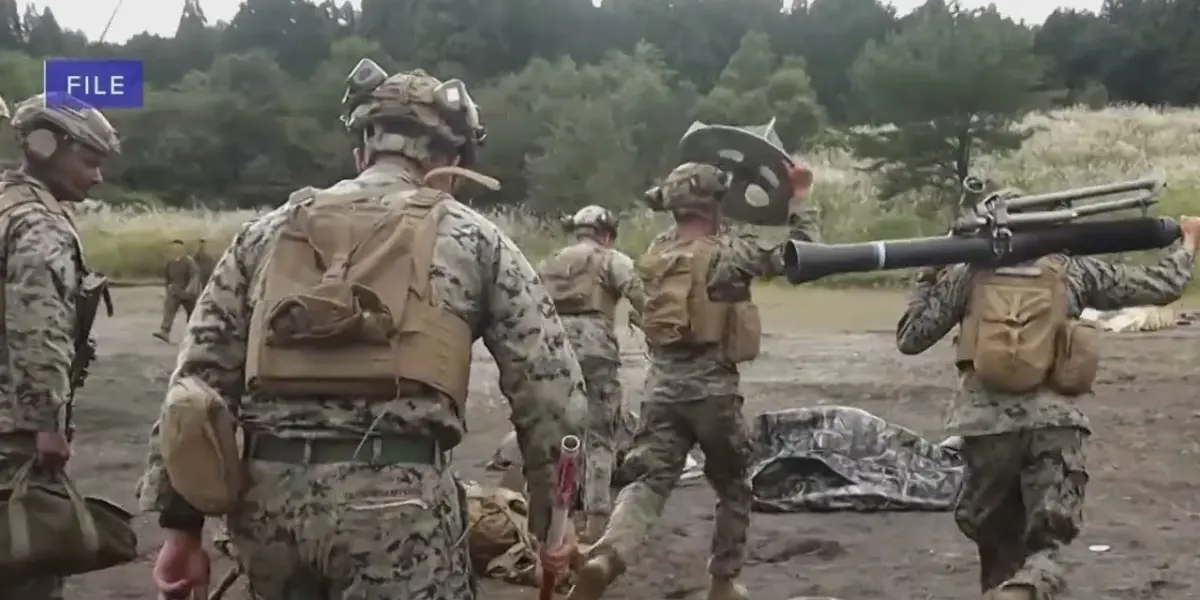
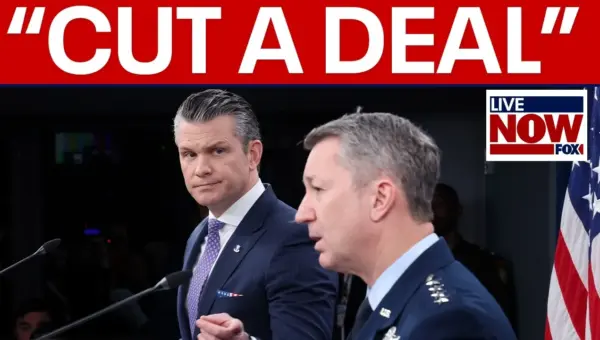
Secretary of War Pete Hegseth is expected to address the press on the timeline of U.S. involvement in the region. A key question is whether President Trump will authorize the deployment of U.S. ground troops. Reports suggest the Pentagon is preparing for operations that could last for weeks. This follows a recent buildup of U.S. troops in the area. While President Trump previously stated he did not want troops on the ground, the White House has indicated he has not ruled out this option. The Pentagon’s role is to offer the President all possible choices, not necessarily to signal a final decision or to alert adversaries of any potential moves.
Pressure Mounts for Iran Deal and Strait of Hormuz Reopening
President Trump is also pushing hard for a deal with Iran, specifically aiming to reopen the Strait of Hormuz. This vital waterway, crucial for global oil transport, is currently controlled by Iran. The President has threatened to strike Iranian energy facilities and oil wells if the Strait is not reopened and a deal is not reached soon. The White House released a video showing recent air strikes targeting Iranian naval ships and aircraft, demonstrating the increasing pressure being applied.
Optimism on War Timeline and Negotiations
The Trump administration has repeatedly stated they are ahead of schedule in their objectives, expecting the current conflict to conclude within weeks rather than months. Secretary of Defense has maintained that a previously stated 46-week timeline for operations still holds. A new deadline is set for next Monday, with the President demanding the reopening of the Strait of Hormuz and threatening power plant strikes if this does not happen. Despite Iranian officials denying any ongoing discussions and calling the President’s demands unrealistic, the White House reports that talks are progressing well. They suggest that public statements from Iran differ from private discussions, and that Iran is increasingly willing to engage in negotiations.
Global Impact and Geopolitical Considerations
This situation has significant implications for global energy markets and regional stability. The Strait of Hormuz is a critical chokepoint for oil shipments, and any disruption can lead to price spikes and supply concerns worldwide. The U.S. strategy appears to be a combination of military pressure and diplomatic engagement, aiming to force Iran to alter its behavior regarding the Strait and potentially other regional issues. The success of these efforts hinges on whether Iran perceives the U.S. military actions and diplomatic ultimatums as credible threats or as opportunities for negotiation.
Historical Context
Tensions between the U.S. and Iran have a long history, marked by periods of diplomatic engagement and severe confrontation. The current situation echoes past disputes over maritime security and energy resources in the Persian Gulf. The U.S. has historically sought to ensure freedom of navigation in international waters, including the Strait of Hormuz, while Iran has used its strategic location to exert influence. Past diplomatic efforts have often been complicated by mistrust and differing national interests, making negotiated outcomes challenging to achieve.
Economic Leverage and Future Scenarios
The U.S. is employing economic pressure through threats against Iran’s energy infrastructure, aiming to force concessions. Iran’s reliance on oil revenue makes its energy sector a vulnerable target. The dual approach of military action and a push for a deal suggests a strategy to maximize leverage. One scenario is a swift diplomatic resolution that reopens the Strait and de-escalates tensions, benefiting global energy markets. Another possibility is a prolonged period of military engagement, with or without ground troops, leading to continued instability and economic uncertainty. A third scenario involves a failure to reach an agreement, potentially leading to further military escalation and broader regional conflict.
Source: Iran negotiations are ongoing, White House says | Morning in America (YouTube)

Related Articles


Iran’s Strategy: Humiliate the West, Cause Global Pain
Iran's leaders are reportedly using energy and fertilizer shortages to inflict global pain and humiliate the West. This strategy could lead to a harsh winter for Europe and food crises worldwide. The situation raises concerns about potential military escalation.
Oil Shocks Fuel Recession Fears, Markets Wobble
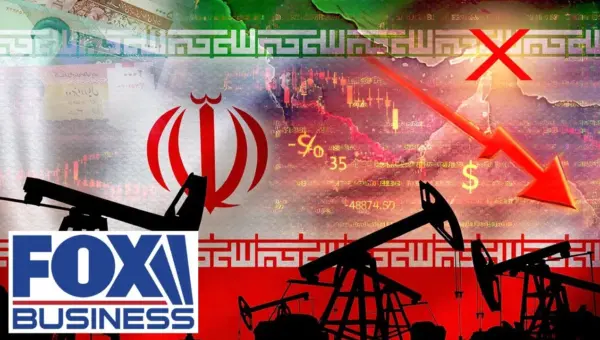
Soaring oil prices are rattling global markets, pushing major indices toward correction territory and sparking fears of a recession. Experts warn that prolonged energy shocks, particularly concerning the Strait of Hormuz, could severely impact economic growth. Investors are advised to maintain diversified portfolios and cash buffers.

US Troops Show ‘Urgency’ in Middle East Fight
U.S. troops in Operation Epic Fury are demonstrating "wartime speed" and a powerful sense of mission focus, according to a recent Pentagon visit. Service members expressed a strong desire to finish the fight quickly for future generations, requesting more resources for operations rather than personal comforts. The ongoing pressure aims to compel Iran to negotiate, with continued military action planned if diplomacy fails.