US Weighs Shifting Ukraine Weapons to Iran Amid Missile Shortage
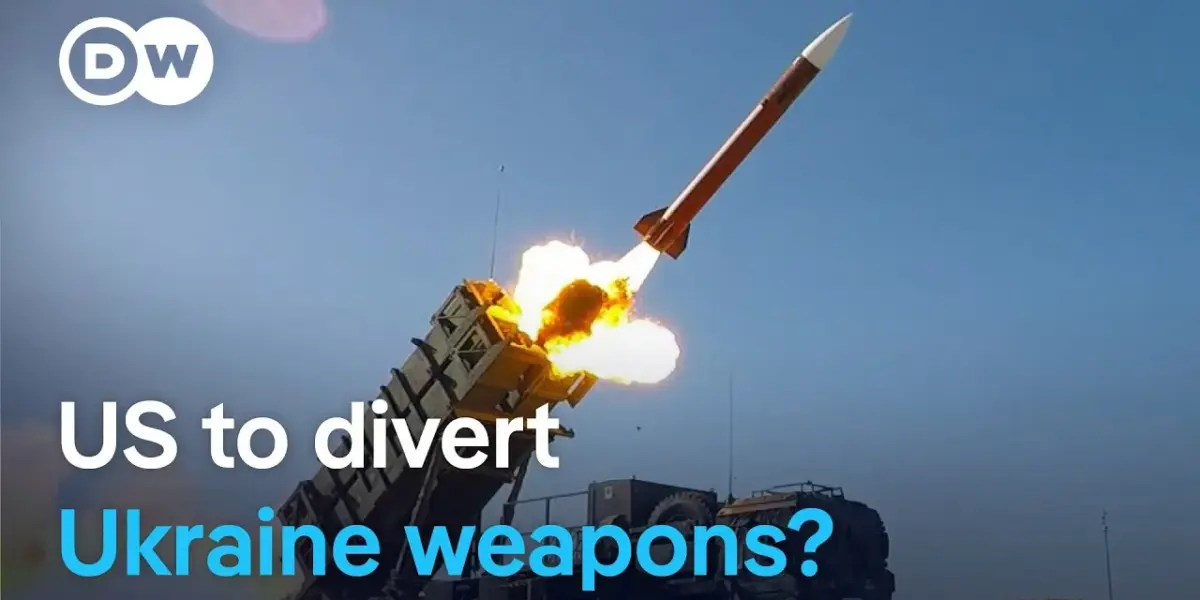
The U.S. is reportedly considering diverting weapons destined for Ukraine to support operations against Iran, driven by rapidly depleted missile stocks. This potential shift raises concerns about Ukraine's defense capabilities and highlights the complex interplay between global conflicts.

US Considers Diverting Weapons from Ukraine to Iran Conflict
The United States is reportedly considering a significant shift in its military aid strategy, potentially redirecting weapons intended for Ukraine to bolster operations in the Middle East against Iran. This move comes as U.S. forces have rapidly depleted missile stockpiles during recent engagements, raising concerns within the Pentagon about national defense capabilities.
Alarming Missile Depletion in the Middle East
According to reports from The Washington Post, U.S. forces have fired over 850 Tomahawk cruise missiles in less than a month of conflict with Iran. This high rate of expenditure is estimated to have depleted about a quarter of the U.S. total Tomahawk missile inventory. The rapid burn rate has left Pentagon officials worried about the dwindling number of available missiles, especially since producing a single Tomahawk missile can take up to two years, meaning replenishing stocks could take a considerable amount of time.
“America First” Policy and Potential Impact on Ukraine
When pressed about the possibility of diverting weapons from Ukraine, U.S. Secretary of State Marco Rubio stated, “No, it hasn’t happened yet. Nothing yet has been diverted, but it could.” He emphasized the administration’s priority: “If the United States has a military need, whether it is to replenish our stocks or to fulfill some mission in the national interest of the United States, we’re always going to come first.” While no diversions have occurred as of now, the statement leaves the door open for such a possibility, signaling a potential “America First” approach to military resources.
Michael Kimage, director of the Kennan Institute and a historian specializing in the Ukraine war, commented on Rubio’s remarks. He noted that this potential shift is not entirely surprising given the intensity of the Middle East situation and its impact on global economic interests, such as the freedom of navigation through the Strait of Hormuz. Kimage also pointed out that the current administration has not been a strong proponent of extensive support for Ukraine, often seeking ways to reduce financial and military aid.
“If the United States has a military need… we’re always going to come first.” – Marco Rubio, U.S. Secretary of State
Impact on Ukraine’s Defense Capabilities
While Kimage suggests that some diverted weapons, like Tomahawks, might not be the core of Ukraine’s current war effort, which heavily relies on drone warfare and domestic production, he acknowledges the potential negative impact. Scaling back U.S. support could weaken Ukraine’s air defenses, making it harder to counter Russia’s persistent missile and drone attacks, particularly in western regions like Lviv. Furthermore, any perception of reduced Western support could affect ongoing diplomatic efforts to end the war, even in their early stages.
Interconnected Conflicts: Middle East and Europe
The ongoing conflicts in the Middle East and Ukraine are increasingly seen as interconnected. Germany’s foreign minister, Annalena Baerbock, stated that Russian involvement is a common thread, with Putin allegedly hoping the Middle East escalation will distract from his actions in Ukraine. Russia is reportedly providing Iran with information on potential targets, blurring the lines between the two theaters of conflict.
Professor Mik Alex of San Diego State University elaborated on this connection, noting that the Middle East crisis benefits Russia strategically by potentially easing energy market pressures and diverting Western attention. While Russia denies sending drones to Iran, such assistance could bolster its economic standing and fund its war machine, even if it depletes some military capabilities.
Ukraine’s Role in Countering Drone Warfare
Interestingly, Ukraine’s experience in defending against Russian drones could offer valuable insights and technology to the U.S. and its allies. Ukraine has developed effective and inexpensive methods to counter drones, shooting down a significant percentage of those launched by Russia. This expertise is crucial as Iran also employs drone technology, and Western defense systems are often more expensive than the drones they are used to intercept. Ukraine’s capabilities in drone operation and anti-drone technology could be a vital asset.
Partnership Over Alliance and Future Outlook
It’s important to note that Ukraine and the U.S. are partners, not formal allies bound by treaty. As the geopolitical landscape shifts, Ukraine is actively seeking to broaden its network of partners beyond the U.S. and Europe, engaging with countries like Saudi Arabia, Japan, South Korea, and Australia. This diversification aims to secure support that can partially substitute for U.S. aid.
The situation highlights the complex dynamics of international relations, where national interests often take precedence during crises. The potential diversion of weapons underscores the need for increased production and collaborative efforts between the U.S., Europe, and Ukraine to sustain Ukraine’s defense capabilities. The expertise Ukraine has gained in drone warfare could prove instrumental in shaping future anti-drone strategies for its partners, suggesting a mutually beneficial relationship despite the current pressures.
As the conflicts in the Middle East and Ukraine continue to evolve, the strategic decisions made by the U.S. regarding military aid will have significant implications for global security. The ability of Ukraine to maintain its defenses and secure international partnerships will be critical in the face of evolving threats and shifting alliances.
Source: Is the US about to redirect weapons from Ukraine to the Iran war? | DW News (YouTube)

Related Articles

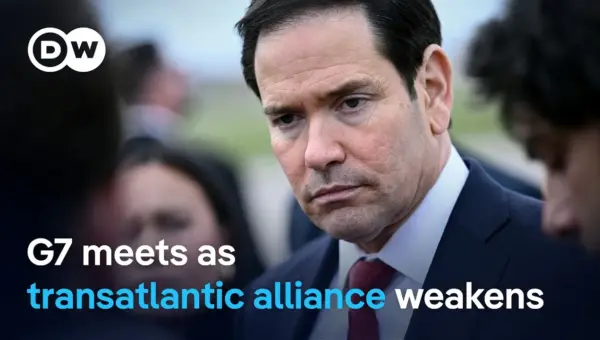
G7 Allies Clash Over Iran War Strategy, Urge Focus on Russia
G7 foreign ministers met in Paris, revealing deep divisions over the U.S. war with Iran. European allies urged the U.S. to pressure Russia, linking its actions to the conflict and fearing support for Ukraine will wane.

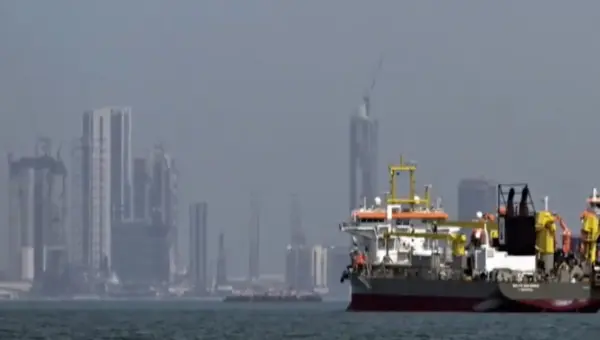
Iran Blocks China Ships, Exposing Beijing’s Weak Grip
Iran's recent decision to block Chinese ships at the Strait of Hormuz is exposing the limits of Beijing's influence in the Middle East. This action is causing delays and cancellations for Chinese manufacturers, turning a perceived geopolitical win into an economic strain.
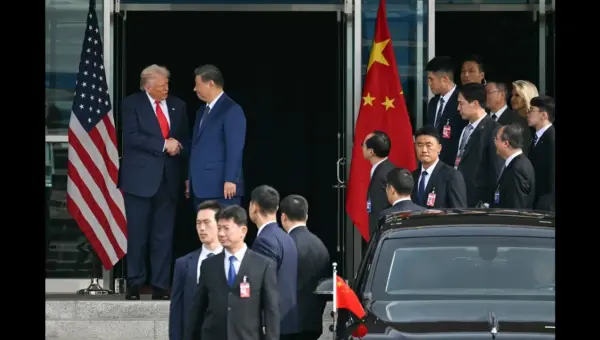
Trump’s “Walk Away” Tactic Signals Tougher Stance on China
Retired Air Force Brigadier General David Stillwell believes President Trump's strategy of being willing to walk away from negotiations puts pressure on China. This tactic, combined with US global actions and strengthened alliances, signals a more assertive American foreign policy.