US Weighs Iran Strategy: Hormuz Strait’s Fate Uncertain
The United States is reportedly reconsidering its strategy in the Iran conflict, potentially willing to end hostilities even if the Strait of Hormuz remains closed. This critical oil choke point's closure has trapped thousands of vessels, causing global economic disruption and raising questions about U.S. war objectives. Military action remains a strong possibility to reopen the vital waterway.

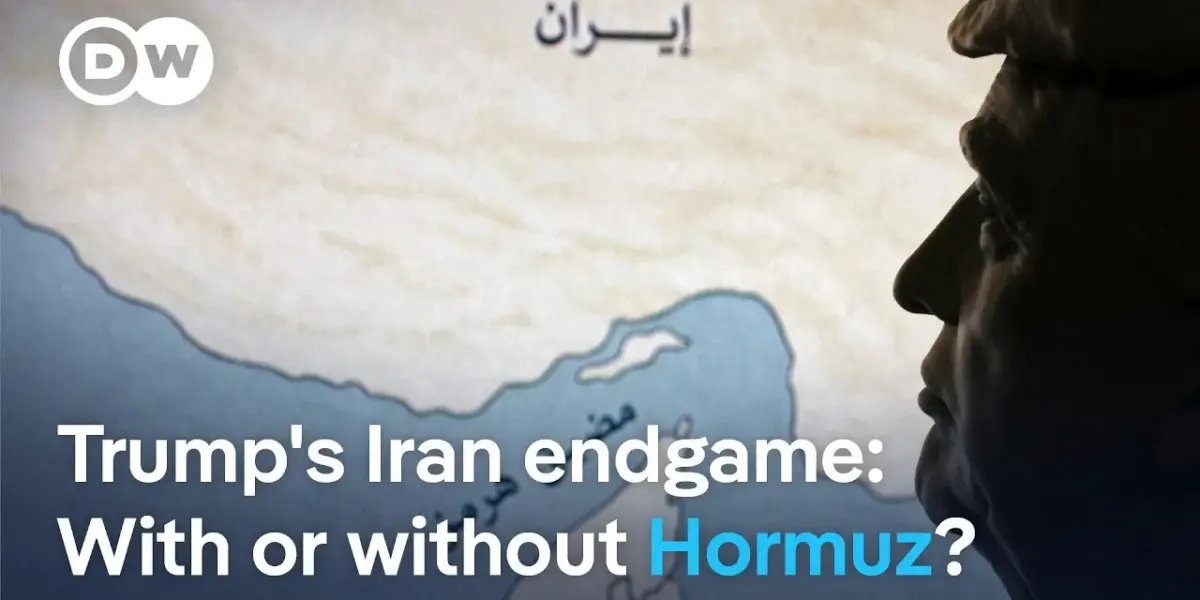
US Reassesses Iran Conflict Amidst Strait of Hormuz Closure
Washington appears to be shifting its strategy in the ongoing conflict with Iran, with reports suggesting President Trump may be willing to end hostilities even if the vital Strait of Hormuz remains partially closed. This critical waterway, through which roughly 20% of the world’s oil normally flows, has been effectively shut down by Iran, leading to significant global economic disruption. The potential shift raises questions about whether the war’s original objectives have been met or if they are being quietly redefined.
Geography of a Choke Point
The Strait of Hormuz is a narrow, strategically crucial waterway connecting the Persian Gulf to the Gulf of Oman. Located between Iran to the north and the United Arab Emirates to the south, it narrows to just about 33 kilometers (around 20 miles) at its widest point. This geographical bottleneck makes it a prime location for controlling oil shipments, and its current closure has trapped thousands of vessels, creating a global energy shock that impacts fuel prices worldwide.
Iran’s Control and Economic Impact
According to Dr. Malcolm Davis, a senior military analyst at the Australian Strategic Policy Institute, the Strait of Hormuz is currently experiencing “virtually nothing” in terms of normal shipping traffic. While Iran reportedly allows occasional passage for friendly nations like China, the broader flow of global oil has been severely curtailed. This shutdown has led to “economic chaos around the world,” as 20% of global oil supplies are cut off.
Adding to the complexity, Iran’s parliament has reportedly approved plans to charge a toll for ships passing through the strait, denominated in Chinese yuan. Dr. Davis described this as a form of “extortion” that benefits Beijing but sets a dangerous precedent, especially since the strait is considered international waters. The international community, he argues, should not accept paying such tolls.
Military Action Remains a Possibility
With diplomacy showing little sign of success, the prospect of military action to reopen the Strait of Hormuz remains a significant consideration. Dr. Davis stated, “unfortunately I think it is” the likely path forward, noting the lack of evidence that diplomatic negotiations are yielding results. He believes that forcing the strait open through military means could be a lengthy operation, potentially taking weeks or months and possibly involving ground forces.
Shifting Objectives and Defining Victory
The debate over reopening the Strait of Hormuz highlights a potential reevaluation of U.S. war aims. If the strait remains closed, it becomes difficult to claim victory, as Iran would retain leverage over global oil supplies. Dr. Davis expressed doubt that this scenario equates to a U.S. win, especially with Iran’s regime remaining in power and its missile capabilities largely intact, alongside concerns about its nuclear program.
President Trump’s public statements have oscillated between aggressive threats to destroy Iran’s infrastructure if a deal isn’t reached and the reopening of the strait, and a more measured approach from the White House outlining broader military objectives. These objectives, as stated by a spokesperson, include destroying Iran’s navy, ballistic missiles, and drone production, weakening its proxies, and preventing nuclear weapons development, with no explicit mention of reopening Hormuz.
The Stakes for Iran and Global Powers
If the U.S. withdraws while the Strait of Hormuz remains closed, Dr. Davis argues that Iran effectively wins. The regime stays in power, the oil chokehold persists, and the situation could be perceived by China and Russia as a sign of American weakness. This could embolden them in their own geopolitical ambitions, such as in Taiwan for China or NATO’s eastern frontier for Russia.
International Cooperation and U.S. Leadership
European nations, like Germany, have expressed readiness to contribute to ensuring freedom of navigation in the Strait of Hormuz once necessary conditions are met. However, Dr. Davis cautioned against the U.S. simply withdrawing and expecting others to fix the problem. He invoked the “Pottery Barn rule” – “if you break it, you own it” – suggesting the U.S. has an obligation to lead any multinational effort to reopen the strait, which would involve complex air and naval operations to neutralize Iranian threats.
Israel’s Long-Term Perspective
Israel, facing an existential threat from a nuclear-armed Iran, holds a different perspective, willing to wage the war for months to achieve regime change. Their strategy focuses on targeting Iranian leadership and the Revolutionary Guard Corps, aiming for a more democratic and less confrontational government. They are determined to prevent Iran from acquiring nuclear weapons, especially after recent attacks, and would see the war’s end with the current regime in place as a failure.
Moral and Strategic Imperatives
From a moral and strategic standpoint, Dr. Davis believes it is indefensible to end the war while the Strait of Hormuz remains under pressure. The U.S. has a responsibility to ensure free maritime traffic and send a message of strength to global competitors. The stakes extend beyond the immediate conflict, involving broader geopolitical competition where American resolve is critical.
Looking Ahead
The coming weeks will be crucial in determining the U.S. strategy towards Iran and the fate of the Strait of Hormuz. Whether the conflict concludes with the waterway reopened or remains a point of contention will have significant implications for global energy markets, international relations, and the geopolitical balance of power. The world watches to see if U.S. leadership will ensure the free flow of oil or if Iran’s blockade will reshape global economic and political landscapes.
Source: If Hormuz stays shut, who really wins? | DW News (YouTube)

Related Articles


Hegseth Undermines Trump’s War Plans Daily
Pete Hegseth, Trump's Secretary of Defense, is reportedly undermining the former president's stated war plans with Iran. Conflicting timelines, shifting objectives, and ethical questions surrounding financial dealings create significant uncertainty. This situation highlights the challenges of clear communication and strategic consistency in national security.
Oil Shocks Fuel Recession Fears, Markets Wobble
Soaring oil prices are rattling global markets, pushing major indices toward correction territory and sparking fears of a recession. Experts warn that prolonged energy shocks, particularly concerning the Strait of Hormuz, could severely impact economic growth. Investors are advised to maintain diversified portfolios and cash buffers.


US Strikes Iran’s Secret Sites, Threatening Strait of Hormuz Control
The United States has launched significant strikes against secret Iranian facilities, utilizing advanced bombers and electronic warfare aircraft. Despite these attacks, Iran continues its aggression, and concerns are rising over control of the vital Strait of Hormuz, a crucial waterway for global oil transport.