US Weighs Iran Raid to Seize Nuclear Material: Reports
Reports suggest President Trump is considering a dangerous special ops mission in Iran to seize enriched uranium, raising concerns about feasibility and consequences. The potential operation occurs amid escalating regional tensions and conflicting U.S. policy signals.

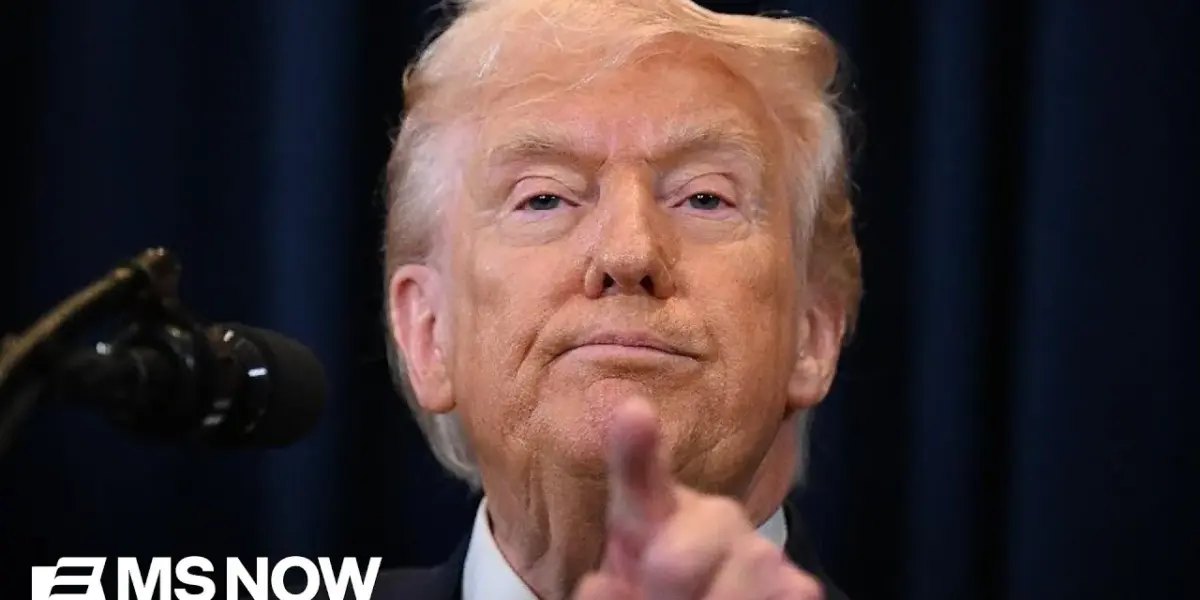
US Considers Risky Iran Operation to Seize Enriched Uranium
Reports have surfaced indicating that President Trump has been contemplating a highly dangerous special operations mission inside Iran to seize approximately 1,000 pounds of enriched uranium. The potential operation, first reported by NBC News and Axios, aims to prevent Iran from developing nuclear weapons, though experts and lawmakers express grave concerns about its feasibility and potential consequences.
Complex Mission, High Stakes
The proposed mission involves American special operations forces entering Iran to secure enriched uranium, a material that could theoretically be used to build a nuclear bomb. However, significant challenges and risks are associated with such an endeavor. Senator Chris Coons, who has been briefed on the matter, highlighted the immense difficulties, noting that the uranium is stored at three separate underground sites. Past U.S. airstrikes have reportedly caused tunnel collapses, meaning American forces would need to dig down to access the material.
Non-proliferation experts familiar with the process explained that the uranium is stored in metal tubes, roughly the size of scuba tanks. The operation would require collecting all these tubes and safely transporting them out of Iran. Adding to the complexity, the Trump administration withdrew the U.S. from the international nuclear deal in 2018, potentially leading Iran to move or replace the stored uranium with decoys, making verification and seizure even more problematic.
The operation is described as “very, very dangerous” and could potentially last for an extended period, spanning across multiple sites within Iran.
Conflicting Signals on Administration’s Goals
Amidst the discussion of military options, there appears to be a lack of clarity regarding the administration’s ultimate objectives in Iran. Secretary of State Mike Pompeo has insisted that the operation is not about regime change and that its outcome would serve American interests. However, this stance is often contrasted with President Trump’s own public statements, which have at times suggested a desire for regime change and dictated terms of unconditional surrender to Iran.
This apparent contradiction leaves many Americans and international observers questioning the true intentions. Is the focus solely on Iran’s nuclear program, which the President has previously claimed was “obliterated”? Or are other factors at play, such as Iran’s ballistic missile program, its domestic repression, or its influence in the region? Administration officials have referenced various potential motivations at different times, but a clear, consistent, and cogent explanation has not been provided to the public.
Escalating Regional Tensions
The reports of a potential U.S. raid come at a time of heightened tensions in the Middle East, with Iran and its proxies engaging in increasingly aggressive actions. In Lebanon, Israel has been conducting operations against Hezbollah, an Iran-backed group. More recently, the United Arab Emirates reported intercepting drones and missiles launched from Iran, with one attack specifically targeting a major oil processing facility near Abu Dhabi. This facility, one of the largest of its kind globally, processes hundreds of thousands of barrels of crude oil daily.
The attacks on oil infrastructure have had a tangible impact on global trade and energy markets. Shipping in the Strait of Hormuz, a critical chokepoint for global oil supply, has seen a significant drop. Tanker owners are hesitant to transit the strait due to safety concerns, leading to oil refineries drawing down output and even temporarily halting operations as they await the resolution of the crisis. The disruption to oil flow could take considerable time to rectify, even if tensions de-escalate.
Iran’s Defiance and Economic Warfare
Iran’s recent decision to appoint the son of Ayatollah Khamenei as a potential successor to the Supreme Leader is seen by analysts as a defiant message, signaling resilience and a doubling down on its current path rather than a willingness to negotiate. The country appears to be employing a strategy of inflicting maximum economic pain globally through tactics like disrupting oil shipments and carrying out attacks across the Gulf and beyond.
This strategy, coupled with internal economic pressures and military setbacks, suggests Iran’s primary goal is survival. Recognizing its inability to militarily defeat the U.S. and Israel, Tehran is resorting to asymmetric tactics to pressure its adversaries into backing down. This approach, however, carries significant political risks domestically and internationally.
Domestic Political Fallout and Public Opinion
The escalating conflict and potential military actions in Iran carry significant political implications for President Trump domestically. Rising oil prices and potential inflation could impact his base and broader public support, particularly among voters concerned about economic stability. Senator Elizabeth Warren voiced concerns about the financial commitment to potential military action, contrasting it with domestic spending priorities.
Critics argue that the current situation, marked by a new conflict and economic repercussions like higher gas prices, stands in stark contrast to President Trump’s campaign promises of prioritizing the economy and avoiding new wars. Public opinion polls, as noted by analysts, suggest a lack of widespread support for military engagement in Iran, potentially complicating the administration’s re-election strategy, especially with upcoming midterm elections.
Credibility and the Fog of War
The issue of U.S. credibility has also been raised, particularly in light of reports of civilian casualties, including a tragic incident involving an Iranian elementary school. Defense Secretary Mike Hegseth acknowledged the seriousness of such incidents and the need for thorough investigations, while also pointing to Iran’s alleged tactics of placing military assets near civilian areas. He emphasized that mistakes can happen in war, regardless of the administration or party in power.
Hegseth suggested that the proximity of the school to an IRGC complex might have been by design, a tactic he attributes to terrorist groups. While acknowledging the horrific nature of any civilian casualties and the importance of accurate intelligence, he posited that damage to U.S. credibility might be more significantly impacted by abandoning allies, citing the example of the Kurds, rather than isolated incidents, however tragic.
Looking Ahead
As the situation unfolds, the world will be closely watching the administration’s next steps regarding Iran. The potential for a high-risk military operation to seize nuclear material remains a significant point of concern. Simultaneously, ongoing regional tensions, Iran’s response, and the domestic political ramifications for President Trump will continue to shape U.S. policy and international relations in the volatile Middle East.
Source: Trump considers sending special ops into Iran to seize enriched uranium: Reports (YouTube)

Related Articles

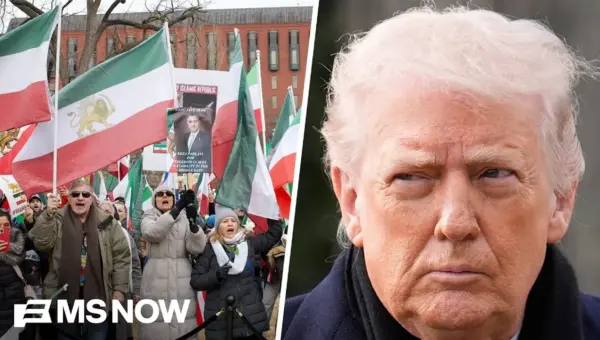
Iran Leader’s Hostility: ‘Ideological, Not Tactical,’ Says Ex-Prisoner
A former Iranian political prisoner and scholar argues that the regime's hostility towards the U.S. is ideological, not tactical. Kian Tajbakhsh believes the leadership transition will bring continuity in both external antagonism and internal repression. He also discusses the limited influence of external powers on Iran's internal politics and what might be needed to foster change.
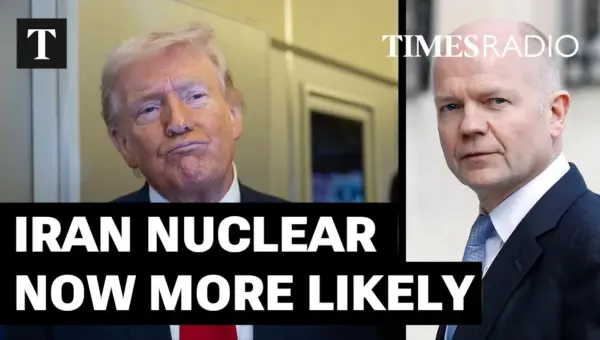
Iran Nuclear Threat Rises After US Military Strikes, Analyst Warns
Former Foreign Secretary William Hague warns that recent military actions against Iran may have increased the likelihood of the nation developing a nuclear weapon. The strategy's effectiveness is questioned amid concerns over economic fallout and the geopolitical implications of President Trump's uncertain approach.

Trump Iran Case Doubts Emerge on Nuclear Claims
New reporting suggests the Trump administration's justifications for action against Iran, particularly regarding its nuclear program, may be based on misrepresented information. Experts reportedly told MSNBC that a key Iranian reactor cited by the administration lacks the capacity to produce nuclear weapons, and the administration has yet to provide evidence to Congress.