US Weighs Iran Ground Ops as Houthis Join Regional Conflict
The U.S. is reportedly considering ground operations in Iran as Houthi rebels launch attacks on Israel, escalating regional tensions. Analysts suggest this could be a negotiation tactic or a response to ongoing threats, while the Houthis' actions aim to disrupt global shipping lanes and pressure international actors.

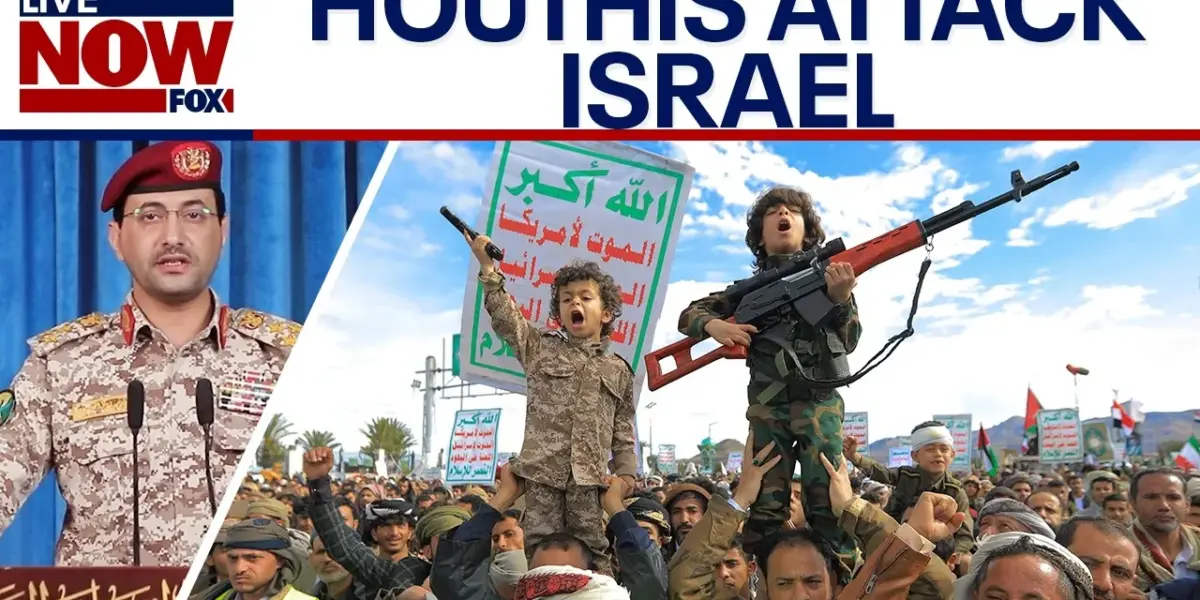
US Considers Iran Ground Operations Amidst Escalating Regional Tensions
The United States is reportedly preparing for the possibility of ground operations within Iran, a move that could expose American personnel to significant threats. This potential deployment, detailed in a Washington Post report, might involve special operations forces and conventional infantry for targeted raids rather than a full-scale invasion. The discussions come as Iran-aligned Houthi rebels in Yemen have begun launching missiles at Israel, widening the ongoing conflict and increasing regional instability.
Pentagon Prepares Options for Commander-in-Chief
The Pentagon’s preparations are aimed at providing President [President’s Name, if mentioned or implied, otherwise use ‘the President’] with a range of options. White House Press Secretary Karine Jean-Pierre stated that the Pentagon’s job is to prepare preparations to give the commander-in-chief maximum optionality, emphasizing that no decision has been made regarding ground troops in Iran. Such a move could involve tactical raids targeting specific military groups or, potentially, Iran’s nuclear infrastructure, though the exact goals remain unclear.
Strategic Leverage or Tactical Necessity?
Joe Truzman, a senior research analyst at FDD, suggested that the possibility of ground troops could serve as a strategic tool for negotiations with Iran. “This may be more of a warning to Iran saying, ‘Let’s negotiate, if not, this may happen, such as ground troops,'” Truzman explained. However, he also cautioned that deploying ground troops would increase the risk of U.S. casualties and might not guarantee the achievement of stated objectives. The decision weighs complex factors, including the potential for increased U.S. casualties and the broader economic impact, such as disruptions in the Strait of Hormuz.
Houthis Escalate, Targeting Maritime Routes
The Houthis’ missile attacks on Israel mark a significant escalation, drawing them directly into the regional conflict. Truzman views Iran’s proxies, like the Houthis, as tools used to apply pressure. “What Iran is doing is using one of its tools, in this case the Houthis, as a pressure, as a lever to add more pressure on maritime navigation,” he said. The Houthis have demonstrated effectiveness in disrupting maritime traffic in the Red Sea and the Bab el-Mandeb Strait. This move is seen as an attempt by Iran to pressure not only the United States and Israel but also the international community by targeting vital shipping lanes.
Global Economic Impact and Potential Retaliation
The disruption of global shipping routes in the Red Sea and Bab el-Mandeb Strait could have far-reaching economic consequences. “They’re effectively going to try to block commercial shipping from these areas, and that again causes a chain reaction to the global economy because global shipping is disrupted in these key areas,” Truzman noted. Such actions could prompt retaliatory strikes from the United States and potentially Israel against Houthi targets in Yemen. Saudi Arabia, which has hosted U.S. military bases and previously engaged in conflict with the Houthis, could also be drawn into the fray if its energy infrastructure is targeted.
Saudi Arabia’s Role and Regional Dynamics
Saudi Arabia’s position is complex. While the kingdom has worked to mend ties with Iran, a steady stream of attacks could strain relations further. Truzman suggested that Saudi Arabia would likely be more willing to strike Houthi targets in Yemen, especially if its own energy assets are threatened. However, direct military engagement with Iran is a different matter, given the recent normalization of relations. The involvement of more countries could significantly expand the conflict, a scenario the U.S. appears keen to avoid.
Broader Coordination and Future Concerns
Looking ahead, Truzman expressed concern about increased coordination among Iran’s proxies, including groups in Lebanon, Iraq, and Yemen. He also noted that Israel’s missile defense systems have been under constant strain for over a month. The possibility of coordinated attacks from multiple fronts, including potential actions from Palestinian armed groups in Gaza, remains a significant concern. “A lot of arenas here, a lot of actors. It’s a big week ahead of us,” Truzman concluded, emphasizing the unpredictable nature of the escalating conflict.
Source: Regional tensions surge after Iran-aligned Houthis attack Israel (YouTube)

Related Articles


Iran Conflict Timeline Shifts as War Plans Unravel
Gas prices are up due to Middle East tensions, but officials suggest it's temporary. However, the projected timeline for conflict resolution has shifted, raising questions about 'mission creep' and the potential for 'mission inversion' where fixing original mistakes becomes the new goal.

Trump’s War Gamble: Unpopular Conflict Risks Voter Backlash
President Trump is reportedly considering sending 10,000 more troops to the Middle East amid widespread public disapproval of the Iran conflict. Polls show a significant majority disapprove of his handling of the war and the economy, suggesting a political backlash looms.


Vance Vanishes: Senator’s Silence on War Sparks Political Fallout
Senator JD Vance's quiet stance on a new Middle Eastern conflict has drawn criticism, especially as rival Marco Rubio gains political traction. This analysis explores Vance's silence, Trump's past warnings about war, and the economic impact of the ongoing tensions, questioning the accountability of politicians during wartime.