US Weighs Iran Exit Amid Escalating War Costs
The U.S. is considering ending military operations in Iran as the conflict enters its fourth week, even as the Pentagon requests an additional $200 billion. Mixed signals emerge from the White House amidst a significant troop deployment, while Russia's intelligence offers related to Ukraine are being rejected.

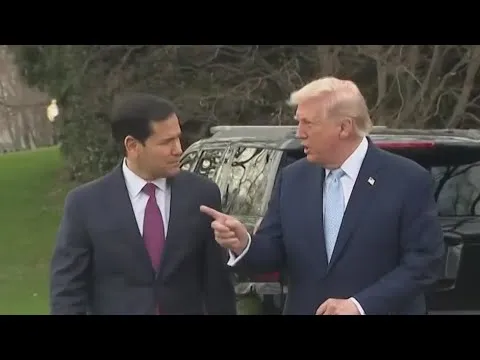
US Weighs Iran Exit Amid Escalating War Costs
The United States is at a critical juncture in its Middle East operations, with President Trump signaling a potential winding down of military efforts in Iran. This comes as the conflict enters its fourth week, and the Pentagon is requesting an additional $200 billion to fund the ongoing ‘Operation Epic Fury’. The mixed messages from the White House about ending the war are creating uncertainty, even as thousands of U.S. Marines deploy to the region.
Mixed Signals on Ending the Iran Conflict
President Trump recently posted on Truth Social, stating, “We are getting very close to meeting our objectives as we consider winding down our great military efforts in the Middle East.” He has repeatedly suggested the conflict could end soon. However, these statements follow reports of ongoing military build-up. The U.S. is sending a significant deployment of 2,500 Marines to the Middle East, adding to the nearly 50,000 U.S. troops already present. The warship USS Boxer is also en route to the region.
Pentagon Seeks Massive Funding Boost
The financial demands of the operation are substantial. The Pentagon has officially requested an extra $200 billion for ‘Operation Epic Fury’. While the Trump administration has not yet sent this funding request to Congress, it has already raised concerns among both Democrats and some Republicans. This large sum highlights the significant resources being committed to the conflict.
Connecting Iran War to Ukraine Peace Efforts
Interestingly, the administration is also focusing on ending the war between Russia and Ukraine. Some discussions about the Ukraine conflict are directly linked to the situation in Iran. U.S. negotiators recently held talks with Ukrainian leaders in Florida, with U.S. Special Envoy Steve Witkoff calling the discussions constructive. The goal is to narrow and resolve issues to move closer to a peace agreement, though progress has been slow.
Russia’s Intelligence Gambit
A source familiar with the matter revealed a surprising proposal from Russian President Vladimir Putin to the Trump administration. Putin reportedly offered to stop sharing intelligence with Iran if the U.S. would agree to stop sharing intelligence with Ukraine. The Trump administration rejected this offer, indicating a complex web of geopolitical maneuvering.
Cybersecurity Warnings Amidst Tensions
Amidst these international tensions, the FBI has issued a warning about a new Russian phishing scam. Director Kash Patel stated that Russian intelligence actors are targeting U.S. leaders on communication apps like Signal. Government officials, military leaders, politicians, and journalists, identified as having high intelligence value, are the primary targets. The FBI urges everyone to be cautious of unknown messages and to carefully check any links received.
Global Impact and Future Scenarios
The dual focus on the Iran conflict and the Ukraine war, coupled with Russia’s attempts at intelligence manipulation, paints a picture of a shifting global dynamic. The immense financial request for the Iran operation suggests a prolonged engagement, potentially contradicting the President’s statements about winding down efforts. The rejection of Russia’s intelligence-sharing proposal indicates a strategic decision by the U.S. to maintain its own intelligence networks and avoid deals that could be perceived as concessions.
Future scenarios could include a genuine U.S. withdrawal from Iran, contingent on achieving specific objectives, or a continued, costly military presence. The connection between the Iran and Ukraine conflicts suggests that diplomatic solutions in one theater might be influenced by developments in the other. The cybersecurity threat underscores the ongoing nature of hybrid warfare, where digital tactics are as crucial as traditional military action. The world watches as these interconnected geopolitical chess matches unfold, each move carrying significant consequences for regional stability and international relations.
Source: Pentagon asks for extra $200 billion to fund Operation Epic Fury | NewsNation Prime (YouTube)

Related Articles

U.S. Iran Tensions Rise Amid Shifting Alliances
Rising tensions between the U.S. and Iran are creating a volatile geopolitical situation. With conflicting signals on de-escalation and potential shifts in alliances like NATO and U.S.-Israel relations, the path forward remains uncertain. The global economy and regional stability hang in the balance.


Iran Targets US With Cyberattacks, Escalating Digital Warfare
Iran is increasingly using cyberattacks to challenge the U.S., as seen in a recent hack of the FBI director's account. Experts say this is a strategic shift due to Iran's limitations in conventional warfare. The U.S. needs to strengthen its digital defenses, focusing on encryption and cloud computing, rather than solely relying on traditional security measures.


Iran Hacks FBI Chief, Exposing U.S. Cyber Vulnerabilities
A recent hack of FBI Director Kash Patel's personal email by an Iran-linked group highlights Iran's growing cyber threat to the U.S. Experts explain how simple security oversights are exploited, emphasizing the need for basic defenses like two-factor authentication to protect against propaganda and potential infrastructure attacks.