US Weighs Ground Options in Iran Conflict Amidst Political Pressure
The U.S. military is developing contingency plans for ground involvement in the Iran conflict, alongside ongoing air strikes that have hit thousands of targets. Facing political pressure from declining approval ratings and rising inflation, the Trump administration is reportedly seeking an "off-ramp" that allows for a declared victory. The conflict also highlights friction within international alliances.

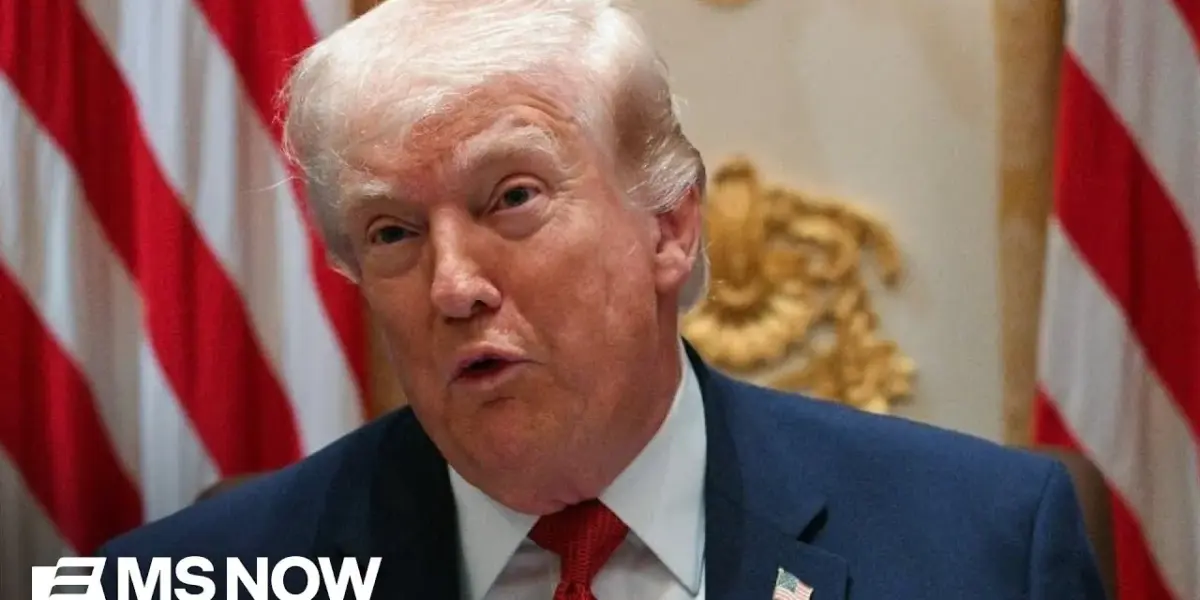
US Military Plans Expand as Iran Conflict Intensifies
The United States military is actively developing contingency plans that include ground force involvement in the escalating conflict with Iran, a significant step beyond initial deterrence efforts. This development comes as U.S. and Israeli forces report substantial success in striking over 10,000 targets in just three weeks, significantly reducing Iran’s declared core military capabilities by as much as 80 to 90 percent. However, Iran retains the ability to launch cruise missiles, indicating the conflict is far from over.
Ground Options and Strategic Deception
Retired Lieutenant General David Deptula, Dean of the Mitchell Institute for Aerospace Studies, explained that military organizations provide presidents with a range of options. While ground involvement is not the preferred choice, it is no longer being dismissed as hypothetical. U.S. Central Command’s planning now includes contingencies for ground forces, particularly if diplomatic efforts falter and maritime pressure in the Persian Gulf continues. These plans are seen as an escalation on the ladder of engagement.
General Deptula outlined four main ground options being prepared by Central Command:
- A blockade or occupation of Iran’s Carg Island terminal.
- An invasion and seizure of Larak Island, used by Iran to threaten shipping in the Strait of Hormuz.
- An invasion and seizure of Abu Musa Island and two other nearby islands.
- Blockading or taking control of ships transporting Iranian oil.
These options are described as extraordinarily significant, though no final decisions have been made. The discussion of these potential ground operations also serves a strategic purpose: deception. General Deptula noted that deception is a key element of warfighting, suggesting that other options, such as air-delivered mines to disrupt operations at Carg Island, might be employed without necessarily involving ground troops.
Political Pressure Mounts on Trump Administration
The White House faces increasing political pressure as President Trump’s approval ratings reach new lows. New Fox News polling indicates 59% disapproval of his performance, with a higher 64% disapproving of his handling of Iran specifically. This discomfort is reportedly growing among non-MAGA Republicans, who historically have been wary of overseas engagements.
Steven Cook, a Senior Fellow for Middle East Studies at the Council on Foreign Relations, highlighted that rising gas prices and inflation forecasts, potentially topping 4% this year due to the conflict, are significant concerns. Republicans on Capitol Hill are also expressing their unease, facing difficult headwinds heading into midterm elections if the war is not concluded soon. The administration’s calculation appears to be that a swift resolution within the next week or two, coupled with a return to normal energy markets by summer or fall, could mitigate political damage.
Seeking a “Victory” Off-Ramp
Pete Hegseth, a Fox News contributor, suggested that President Trump is indeed looking for an “off-ramp” from the conflict, but one that allows him to claim victory. He emphasized that this cannot be a unilateral decision; the enemy must also agree to cease fighting. If Iran still possesses the capacity to retaliate and disrupt oil supplies, a simple declaration of ending the conflict by the President would not suffice.
Impact of Leadership Changes and Alliance Friction
The killing of Iran’s naval commander, who was in charge of closing the Strait of Hormuz, is noted by CENTCOM. However, experts believe this is unlikely to lead to the collapse of the Iranian regime. Cook explained that the Islamic Republic has ideological cadres ready to step into leadership roles, meaning another commander will likely continue Iran’s operations in the Persian Gulf.
The conflict has also exposed friction within U.S. alliances. While European allies have been asked to assist in opening the Strait of Hormuz, they have shown reluctance, citing past U.S. military interventions. The UAE Minister of State, on the other hand, has urged the U.S. to “finish the job,” as Gulf states are on the front lines and have endured significant attacks. This situation is leading to discussions about a potential geopolitical realignment, with Gulf states encouraging a more assertive U.S. stance against Iran’s ballistic missile and drone programs.
Looking Ahead
As the U.S. military prepares for a range of potential ground operations and faces domestic political headwinds, the coming weeks will be critical. The administration’s ability to secure a favorable resolution that can be framed as a victory, while managing the economic impacts and maintaining allied support, will be closely watched. The actions of Iran and the evolving geopolitical landscape will continue to shape the trajectory of this complex conflict.
Source: Trump 'clearly' looking for an off-ramp in war with Iran: Journalist (YouTube)

Related Articles


Iran Targets US With Cyberattacks, Escalating Digital Warfare
Iran is increasingly using cyberattacks to challenge the U.S., as seen in a recent hack of the FBI director's account. Experts say this is a strategic shift due to Iran's limitations in conventional warfare. The U.S. needs to strengthen its digital defenses, focusing on encryption and cloud computing, rather than solely relying on traditional security measures.

Ukraine Strikes Russian Oil Refinery, Eyes Iran Threat
Ukrainian forces struck a key Russian oil refinery, disrupting Moscow's war capabilities. Meanwhile, Finland's president urged continued U.S. support for Ukraine, as Kyiv shares its air defense expertise globally amid growing geopolitical complexities involving Iran and potential sanctions against Hungary.

Polls Spell Doom: Republicans Face Voter Backlash
New polling data reveals a sharp decline in public confidence regarding the economic impact of Republican policies, particularly under Donald Trump. A significant majority now feel financially worse off, a trend that is especially pronounced among independent voters. This economic discontent poses a major challenge for the Republican party heading into future elections.