US Weighs 10,000 Troops for Middle East Amid Iran Talks
The Pentagon is reportedly considering deploying up to 10,000 additional ground troops to the Middle East, offering President Trump more military options amid ongoing peace talks with Iran. While President Trump claims Iran is seeking a deal, diplomatic signals are mixed with continued strike missions and significant losses to Iran's navy.

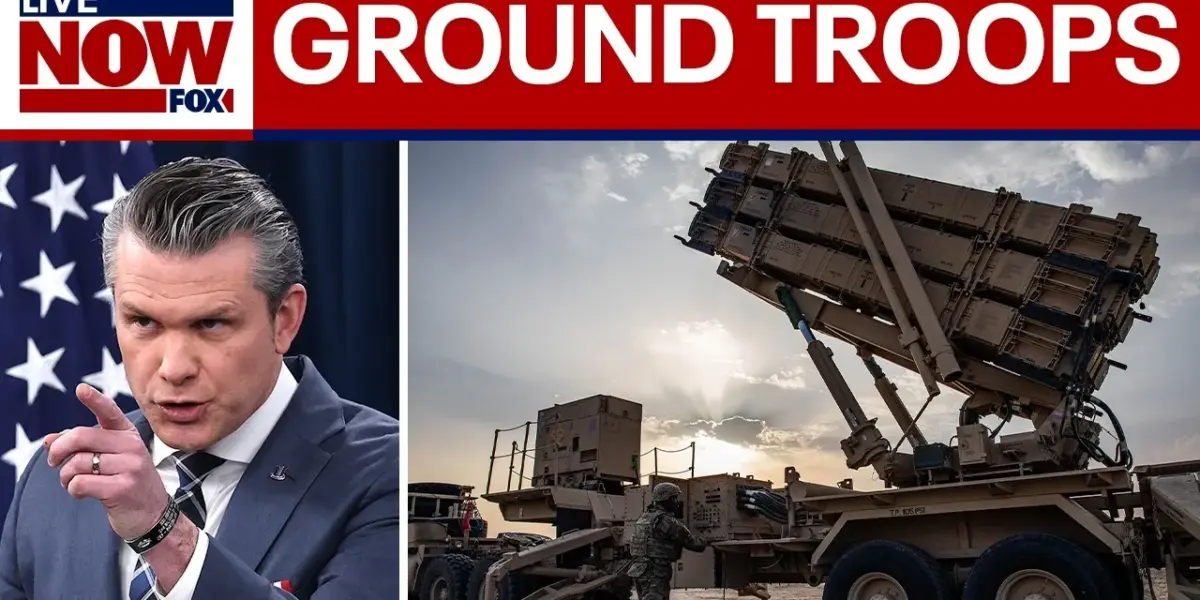
Pentagon Considers Major Troop Boost Amid Iran Diplomacy
The Pentagon is reportedly considering sending up to 10,000 additional ground troops to the Middle East. This move aims to provide President Trump with more military options as diplomatic efforts continue with Iran. Defense officials familiar with the planning shared this information with The Wall Street Journal.
Trump Claims Iran Seeks Deal, Offers ‘Gift’ of Oil
President Trump stated that Iran’s leaders are seeking a deal, describing them as “defeated” and facing a “disaster.” Special envoy Steve Witoff confirmed that Pakistan helped deliver a 15-point peace plan to Iran. As a sign of good faith, Iran reportedly allowed eight oil tankers, later increased to ten, to pass through the Strait of Hormuz. These tankers were flagged by Pakistan, suggesting a channel of communication through that nation.
“They’re talking to us because they’ve got a disaster on their hands. They’re defeated. They can’t make a comeback.”
President Trump
Concerns Over Ground Operations Rise in Congress
The potential deployment of additional troops, including Marines and Army paratroopers already heading to the region, has raised concerns on Capitol Hill. Some lawmakers worry that these preparations signal a move towards ground operations. However, President Trump asserts that strategic goals can be achieved without putting more American lives at risk.
Expert Analysis: Troop Buildup Changes Regional Math
Retired Marine intelligence officer Hal Kemper explained that adding 10,000 troops, possibly as an additional brigade alongside existing deployments like the 82nd Airborne, would significantly alter the strategic calculus for Iran. Kemper suggested such a force could enable operations on key islands in the Persian Gulf, like Kark Island, which is vital for oil production. He noted that a combined force with Gulf Cooperation Council (GCC) allies could even potentially secure islands like Kashmile and Kesh Island, allowing for control of the Strait of Hormuz without a full-scale invasion of mainland Iran.
Diplomacy and Strikes Continue Simultaneously
President Trump announced a 10-day extension on striking Iranian energy infrastructure, pushing the deadline to April 6th. This move suggests a willingness to continue diplomatic engagement. However, Hal Kemper pointed out a dual approach, with ongoing strike missions by the U.S. and Israel targeting Iranian sites, including underground missile facilities. He described this as a “carrot and stick” approach, where diplomatic exchanges serve as the carrot, and military readiness represents the stick.
Iran’s Navy Suffers Significant Losses
In a separate development, Israel announced the killing of Iranian naval commander Ali Raza Tangzeri. Admiral Brad Cooper stated this action would lead to the “irreversible decline” of Iran’s navy. Kemper estimated that over 90 major Iranian naval combatants have been destroyed since the conflict began, effectively crippling their navy. He highlighted that Tangzeri’s death is particularly significant as he led the Revolutionary Guard Corps (IRGC) navy, responsible for smaller craft, miniature submarines, and patrol boats in the Persian Gulf and Strait of Hormuz. This loss disrupts Iran’s command and control and weakens their ability to pose threats like sea mining and missile attacks in the crucial waterway.
Future Targets and Ongoing Threats
If diplomatic talks fail after the 10-day extension, the U.S. may consider targeting power plants, which would have a devastating impact on Iran’s infrastructure and civilian life, especially heading into the summer months. However, the focus might shift more towards disabling the IRGC and its associated militias, seen as the regime’s tool for suppressing its own people. Despite diplomatic overtures and significant military setbacks, both the U.S. and Iran continue strike missions, highlighting the volatile and active nature of the conflict.
What to Watch Next
All eyes will be on the diplomatic channels over the next ten days. Whether Iran responds positively to the peace plan and the extended deadline will determine the next steps. The continued military buildup, alongside the ongoing strikes and the significant damage inflicted on Iran’s naval capabilities, sets a tense backdrop for these crucial negotiations. The world watches to see if diplomacy can de-escalate the situation or if further military action becomes inevitable.
Source: Pentagon weighs sending 10,000 US ground troops to Middle East: RPT (YouTube)

Related Articles


Israel Escalates Iran Strikes, Warns of Wider War
Israel has launched significant strikes inside Iran following continued missile fire, warning of further escalation. The conflict risks wider regional instability and economic disruption, especially concerning the Strait of Hormuz.
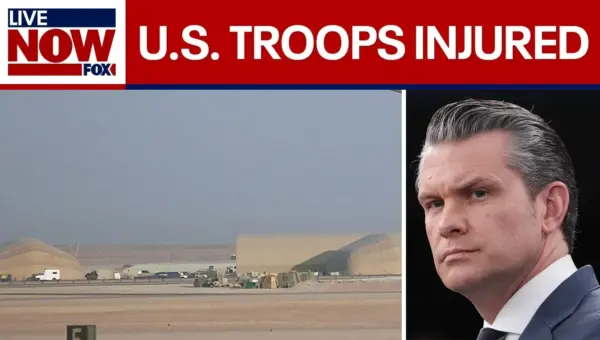
US Troops Wounded in Saudi Base Attack by Iran
An Iranian missile attack on Prince Sultan Air Base in Saudi Arabia wounded multiple U.S. service members and damaged aircraft. The incident highlights the ongoing risks in the Middle East and the limitations of air defense systems. Analysts discuss the strategic implications, economic pressures, and the isolation of Iran amidst the conflict.
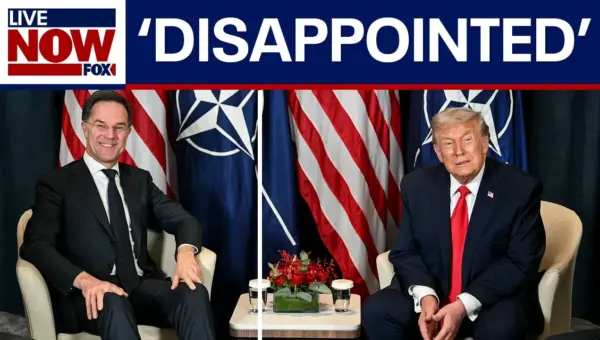
Trump Critical of NATO as Iran Conflict Escalates
President Trump voiced frustration with NATO's lack of involvement in the Iran conflict while the U.S. military prepares for a sustained campaign. Reports indicate significant damage to Iran's military, but tensions remain high with ongoing missile strikes and a recent attack on a Saudi air base wounding U.S. personnel.