US Warships Clear Mines in Strait of Hormuz Amidst Talks
US Navy destroyers have cleared mines in the Strait of Hormuz, ensuring vital trade routes remain open. Meanwhile, Pakistan hosts critical ceasefire talks, with US Vice President JD Vance playing a key diplomatic role. Significant hurdles remain due to opposing demands from involved parties.

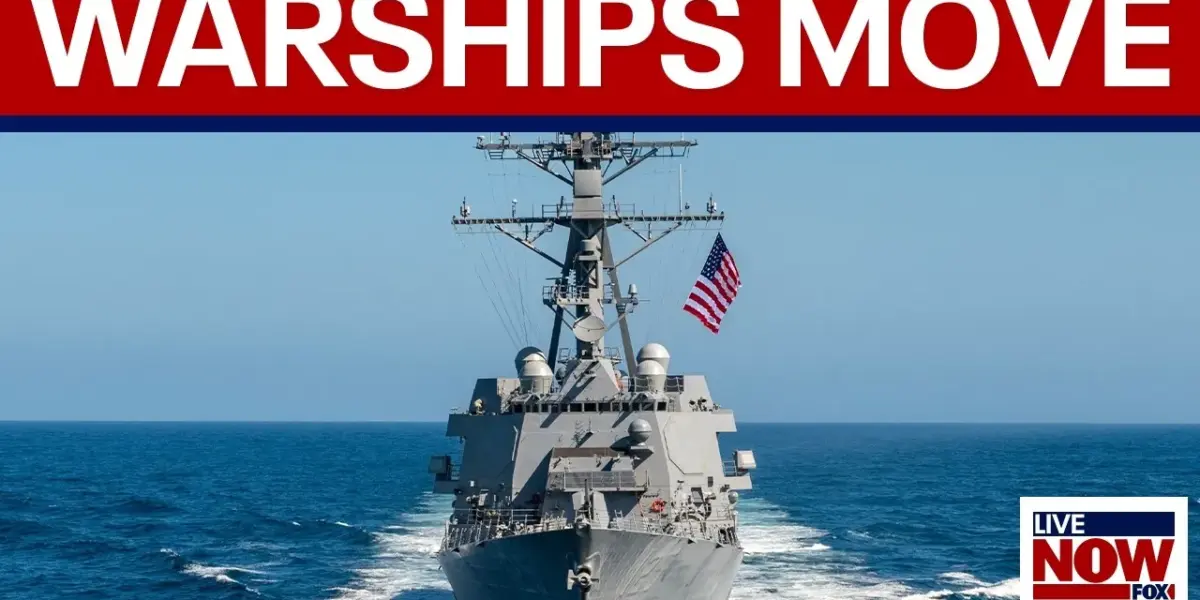
US Destroyers Secure Strait of Hormuz Amidst Peace Talks
Two United States Navy guided missile destroyers, the USS Frank E. Peterson and the USS Michael Murphy, have successfully passed through the Strait of Hormuz. This operation, confirmed by US Central Command (CENTCOM), marks the first time US warships have transited the vital waterway since the ongoing conflict began. The destroyers are engaged in clearing mines believed to have been laid by Iran’s Islamic Revolutionary Guard Corps. This action aims to ensure the free flow of global trade and energy resources through the strategically important strait.
Mine Clearing Operations Aim to Reopen Trade Routes
The Strait of Hormuz is a critical chokepoint for international shipping, with a significant portion of the world’s oil passing through it. Recent warnings from European authorities highlighted the potential for jet fuel shortages if the strait remained obstructed. The mine-clearing efforts by the US Navy are designed to remove threats and allow for the safe passage of commercial vessels, preventing economic disruption for major global economies. Experts suggest this move is a test of Iran’s response, as Iran has historically asserted control over passage through the strait, though this is not recognized under international law.
“The fact that US ships are essentially going through there to begin mine clearing operations, we all also have to be very wary of what the Iranian response is going to be,” a source noted.
Pakistan Hosts Crucial Ceasefire Negotiations
Concurrently, Pakistan is hosting sensitive ceasefire and peace talks aimed at de-escalating regional tensions. The choice of Pakistan as a venue is seen as strategic, as they are perceived by Iran as a more neutral party capable of facilitating discussions without raising overly uncomfortable demands. Unlike Turkey, which is considered a strong ally of the West but also a patron of Hamas, Pakistan is viewed as less likely to press Iran on issues such as ballistic missile stockpiles or support for proxy networks. This allows for a more focused discussion on immediate ceasefire terms.
US Vice President’s Role in Diplomatic Efforts
The participation of US Vice President JD Vance in overseeing American representation at the talks is considered a calculated move. Vance is seen by some as a more conciliatory figure, potentially perceived by Iran as more open to negotiation than other senior US officials. His presence is intended to create a more comfortable environment for Iranian negotiators, focusing on optics and signaling a willingness to find common ground. While his role is primarily diplomatic, his involvement underscores the high importance the US places on these negotiations.
Talks Face Hurdles Amidst Divergent Demands
Despite the ongoing diplomatic efforts, significant challenges remain. Reports suggest that negotiations may continue into the coming days, indicating a potential pause or break in the current sessions. The demands put forth by Iran are reportedly a non-starter for the United States and Israel, while US and Israeli pre-war demands, such as the complete abandonment of Iran’s nuclear and ballistic missile programs, are unlikely to be conceded by Iran. This creates a fundamental deadlock, with both sides entrenched in their positions. The current situation is described as diplomatic skirmishes on the sidelines, with Iran feeling it has successfully resisted pressure and is not in a position to make significant concessions.
Future Outlook: Await Potential Breakthrough
The coming days will be critical in determining the outcome of these high-stakes negotiations. The success of the mine-clearing operations in the Strait of Hormuz, coupled with the progress or lack thereof in the Pakistan talks, will shape the future of regional stability. Observers are watching closely to see if any breathing room can be found for negotiations that yield a breakthrough and prevent further escalation of hostilities.
Source: CENTCOM: US destroyers pass through strait of Hormuz (YouTube)

Related Articles

US Warships Challenge Iran in Hormuz Strait
U.S. Navy ships entered the Strait of Hormuz amid stalled Iran negotiations, conducting mine-clearing operations. Iran's threat to sink the vessels went unanswered, but diplomatic talks remain deadlocked over control of the vital waterway and other demands, complicating regional stability.

Trump Vows to Clear Strait of Hormuz, Cites Oil Shipments to US
Former President Donald Trump announced the U.S. is clearing the Strait of Hormuz, citing a need to help allied nations and noting oil ships are heading to the U.S. This comes as peace talks involving Vice President JD Vance are underway in Pakistan.


Iran’s Strait of Hormuz Standoff Tests U.S. Negotiation Skills
Negotiations between the U.S. and Iran over the vital Strait of Hormuz have stalled, with Iran holding firm on key demands. This standoff highlights complex issues of leverage and strategy, with significant global implications for energy markets and regional stability.