US Warships Challenge Iran in Hormuz Strait
U.S. Navy ships entered the Strait of Hormuz amid stalled Iran negotiations, conducting mine-clearing operations. Iran's threat to sink the vessels went unanswered, but diplomatic talks remain deadlocked over control of the vital waterway and other demands, complicating regional stability.

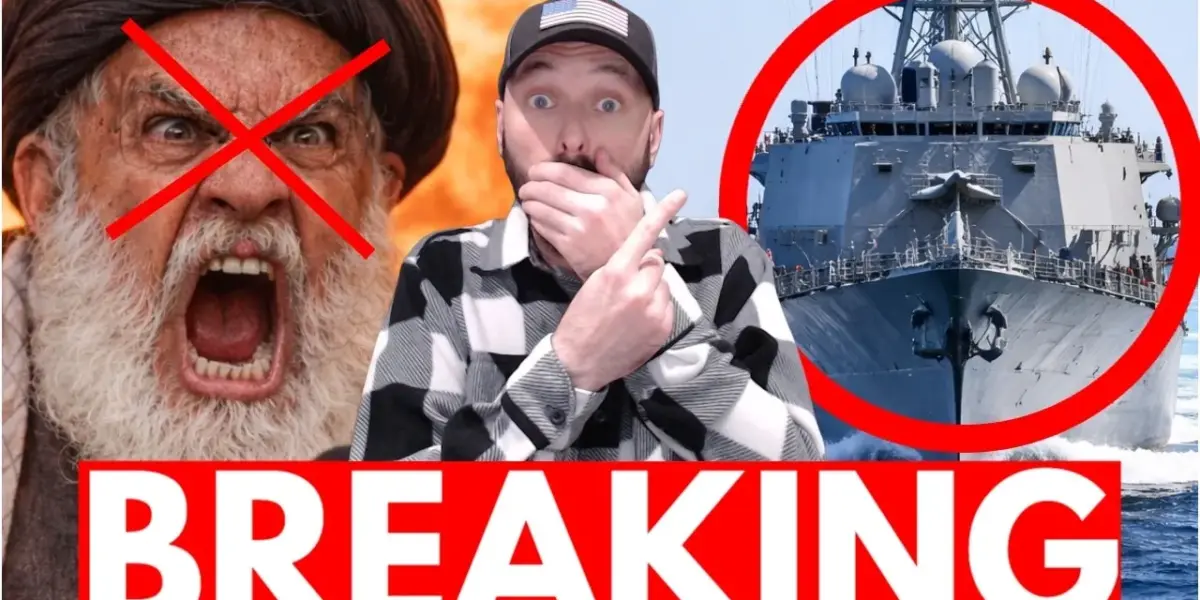
US Warships Challenge Iran in Hormuz Strait
On April 11th, a significant military development unfolded as United States Navy ships entered the Strait of Hormuz. This move came amidst ongoing, and reportedly stalled, negotiations between Iran and the United States. The situation is complex, with ongoing bombings in Lebanon potentially impacting these delicate talks.
A Bold Maneuver into Contested Waters
Several U.S. Navy ships, including the USS Michael Murphy, transited the Strait of Hormuz. This marked the first time U.S. warships had entered the strait since the start of a recent conflict. U.S. officials stated the movement was not coordinated with Iran, a point emphasized as critical.
The Strait of Hormuz is a vital waterway, crucial for global trade and energy flow. It connects the Persian Gulf to the Gulf of Oman, making it a strategic chokepoint. Iran has historically asserted significant influence and control over this passage.
Iran’s Threat and U.S. Response
Reports indicated that Iran had warned it would attack any U.S. Navy ships in the strait if they did not leave within 30 minutes. However, as of the time of reporting, this 30-minute deadline had passed without Iranian forces firing on the U.S. vessels. The decision not to fire is likely a strategic one, as attacking U.S. Navy ships would almost certainly reignite a full-scale war.
U.S. Central Command (CENTCOM) confirmed that U.S. forces began operations to clear mines in the Strait of Hormuz. The statement explained that this was part of a mission to ensure the strait was free of mines previously laid by Iran’s Islamic Revolutionary Guard Corps. Admiral Brad Cooper stated, “The Strait of Hormuz is an international sea passage and an essential trade corridor that supports regional and global economic prosperity.”
Setting the Stage for Future Operations
This mine-clearing operation can be seen as “setting the conditions” for future actions. By clearing mines, the U.S. aims to ensure safe passage for maritime traffic, including potential ground operations involving Marine Expeditionary Units. The operation essentially dares Iran to react, knowing that any hostile action against U.S. Navy ships would justify a strong military response from the United States.
The need to clear the mines is also tied to the possibility of ground operations. If President Trump were to order a ground invasion, troop transports and equipment would need to move through the strait unimpeded. Clearing these mines removes a significant obstacle and reduces the risk for such deployments.
Negotiations Stall Over Key Demands
Negotiations between the U.S. and Iran, reportedly involving Pakistan, have reportedly hit a stalemate. A major sticking point appears to be Iran’s demand for complete control over the Strait of Hormuz. Iran insists on deciding which ships can pass and potentially charging fees, a demand the U.S. has stated will never be accepted.
The talks also involve other Iranian demands, including the unfreezing of assets, payment of war reparations, and a ceasefire that includes Lebanon. These demands are seen by the U.S. as largely unacceptable, particularly the call for control of the strait and financial reparations.
Lebanon Factor Complicates Talks
The situation in Lebanon is also a significant factor. Iran has made it clear that continued bombings in Lebanon would jeopardize any peace deal and halt negotiations. Despite this, reports indicate that Israel has continued to strike targets in Lebanon, complicating the U.S.-Iran talks.
Israeli officials have reportedly asked the U.S. to separate Lebanon from Iran within any deal. They have also warned that any future strike on Iran would be severe and comprehensive, targeting national infrastructure and energy resources.
Why This Matters
The actions in the Strait of Hormuz and the stalled negotiations highlight the high stakes involved in the region. The U.S. military’s assertive posture, coupled with Iran’s defiant stance, creates a volatile environment. The potential for escalation remains high, especially if diplomatic channels continue to break down.
Historical Context
The Strait of Hormuz has long been a focal point of tension between Iran and Western powers. Iran, controlling much of the northern side of the strait, has often used its strategic location as leverage. In the past, threats to close or disrupt shipping through the strait have been a recurring theme in regional politics. The U.S. Navy’s presence is a long-standing effort to ensure freedom of navigation and protect vital oil supplies that pass through this narrow waterway.
Trends and Future Outlook
The current situation suggests a trend towards increased military posturing as a diplomatic tool. Both sides appear to be using their military capabilities to influence negotiations. The failure to reach an agreement on the Strait of Hormuz control indicates a deep divide in strategic interests.
The future outlook remains uncertain. If negotiations continue to falter, the risk of miscalculation or accidental escalation could increase. The involvement of other regional players, like Israel, further complicates the geopolitical landscape. The U.S. appears determined to maintain freedom of navigation, while Iran seeks to assert its regional influence and control over key strategic assets.
Source: U.S. Warships THUNDER RUN Strait Of Hormuz – Will Iran SINK Them? (YouTube)

Related Articles

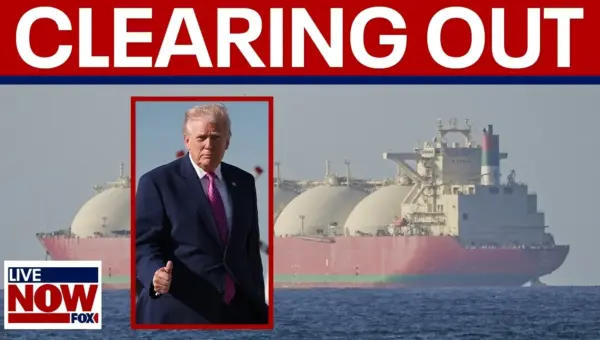
Trump Vows to Clear Strait of Hormuz, Cites Oil Shipments to US
Former President Donald Trump announced the U.S. is clearing the Strait of Hormuz, citing a need to help allied nations and noting oil ships are heading to the U.S. This comes as peace talks involving Vice President JD Vance are underway in Pakistan.


US Faces Global Backlash Over ‘Imperial Overreach’
Growing criticism suggests the United States is overextending its global power, alienating allies and citizens alike. This analysis explores the perceived shift from a republic to an empire, the internal debates on patriotism, and the manipulation of fear and beliefs. The piece emphasizes the importance of democratic participation as a means to reclaim the nation's founding ideals.


Iran’s Strait of Hormuz Standoff Tests U.S. Negotiation Skills
Negotiations between the U.S. and Iran over the vital Strait of Hormuz have stalled, with Iran holding firm on key demands. This standoff highlights complex issues of leverage and strategy, with significant global implications for energy markets and regional stability.