US Warships Blockade Hormuz Strait; Iran Threatens Escalation
The U.S. has initiated a blockade of the Strait of Hormuz, deploying warships and helicopters. President Trump announced ships leaving Iranian ports would be stopped and boarded, escalating tensions. Iran has responded by calling the blockade illegal and threatening to control the strait themselves.

US Warships Blockade Hormuz Strait; Iran Threatens Escalation
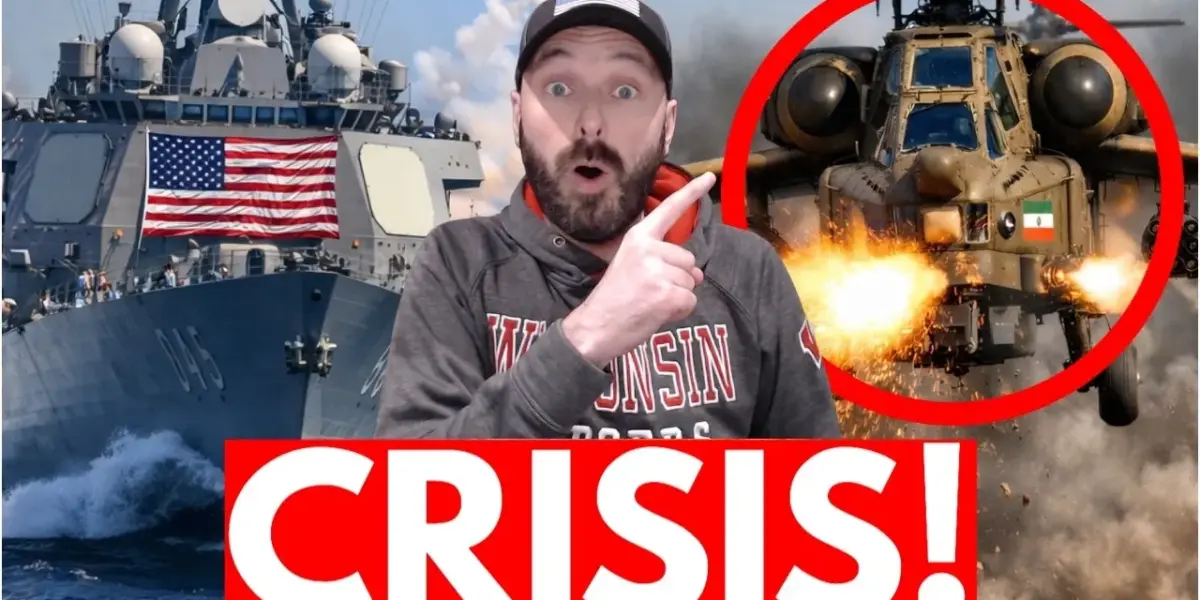
The United States has officially begun a blockade of the Strait of Hormuz, a critical waterway for global oil shipments. Warships and attack helicopters have been deployed to enforce the measure, which President Trump announced would involve stopping and boarding any ships attempting to leave Iranian ports. This action significantly raises tensions in the region, with potential for a major confrontation.
Key Developments and Statements
President Trump stated that any Iranian ships coming near the blockade or commercial vessels not aligned with Iran would be destroyed. He also claimed that Iran’s navy has been largely destroyed, with only small, fast attack ships remaining as a threat. These remaining ships, armed with missiles, could attempt to target naval or commercial vessels.
A senior U.S. official confirmed that 15 U.S. warships are heading to the Strait of Hormuz to enforce the blockade. These vessels are equipped with cruise missiles and helicopter capabilities, signaling a readiness for action. The U.S. military is reportedly prepared to respond forcefully if necessary.
In response, Iran’s military spokesman declared the U.S. restrictions on vessels in international waters to be illegal. Iran has threatened to implement a permanent mechanism to control the Strait of Hormuz if the U.S. blockade proceeds. This creates a direct standoff, with both sides claiming control over the vital shipping lane.
Escalating Tensions and Potential Flashpoints
The situation is being compared to the Cuban Missile Crisis, highlighting the extreme tension and the risk of conflict. The blockade involves both the U.S. interdicting ships linked to Iran and Iran controlling passage for non-aligned vessels. This complex situation involves potential confrontations with Chinese ships, which are frequently in the region.
Footage shows Iranian MI-28 attack helicopters, similar to U.S. Apache helicopters, in the air. Their exact purpose is unknown, but they could be used to escort tankers, target U.S. ships, or simply patrol. Additionally, reports indicate significant fighter jet activity over western Iraq, possibly linked to supporting the blockade’s enforcement.
One incident involved a sanctioned tanker, the Richard Star, immediately turning around and fleeing after encountering U.S. military presence near Lark Island. This suggests the blockade is already having an immediate impact on shipping operations.
International Reactions and Diplomatic Efforts
China has criticized the U.S. actions, stating the Strait of Hormuz was open before the conflict and blaming the U.S. for the current instability. A Chinese official called for de-escalation and cooperation to prevent further regional turmoil from impacting the global economy and energy security.
There is also concern that Iran’s proxy group, the Houthis in Yemen, could attempt to close the Bab el-Mandeb Strait, another crucial shipping route in the Red Sea. The Houthis have threatened to do so if Iran’s ports are blockaded. This could further isolate the region and disrupt global trade.
Meanwhile, Pakistan, Egypt, and Turkey are reportedly engaged in talks with the U.S. and Iran to bridge gaps and end the conflict. These diplomatic efforts aim to prevent a wider war, though negotiations have faced initial setbacks. The possibility of Iran offering to cease uranium enrichment in exchange for ending the war is also being discussed, but no agreement has been reached yet.
Historical Context and Background
The Strait of Hormuz has long been a strategically vital chokepoint. Control over this narrow waterway has been a source of tension for decades, given its importance for transporting oil from the Persian Gulf to the rest of the world. Past incidents, including naval skirmishes and threats to shipping, have occurred in this region, often involving Iran and international powers.
The current situation appears to be an escalation of existing geopolitical tensions. The U.S. blockade is a significant move, aimed at pressuring Iran, likely in response to perceived threats or actions by Iranian forces or their allies. The involvement of Chinese ships adds another layer of complexity, potentially drawing in major global powers.
Why This Matters
The blockade of the Strait of Hormuz has immediate and far-reaching consequences. It directly impacts global oil prices and supply chains. Any disruption to this key shipping lane can cause significant economic instability worldwide. Furthermore, the heightened military presence and the risk of direct confrontation increase the danger of a wider regional conflict, potentially drawing in other nations.
Implications, Trends, and Future Outlook
The current situation highlights a trend of increased assertiveness in international waters and a willingness to use military force to achieve strategic objectives. The potential for escalation is high, with both sides demonstrating a readiness to respond forcefully. The involvement of proxy groups like the Houthis suggests a wider regional conflict could easily erupt.
The future outlook remains uncertain. Diplomatic efforts are underway, but the immediate military posture suggests a continued standoff. The possibility of miscalculation or accidental engagement is a serious concern. The international community is watching closely, hoping for a de-escalation that avoids a major war and ensures the free flow of global commerce through this critical waterway.
Source: U.S. Warships RUSH To Strait Of Hormuz – Attack Helicopters IN THE AIR (YouTube)

Related Articles


Strait of Hormuz Tensions Threaten Global Economy, Raise Oil Prices
Escalating tensions in the Strait of Hormuz have led to reduced oil shipments and a significant increase in oil prices. Experts warn that the ripple effects will soon hit consumers through higher grocery costs, with price hikes expected around April 29th. The situation remains volatile, with both military and diplomatic developments being closely watched.
Iran Oil Blockade Hits Exports, Negotiations Stall
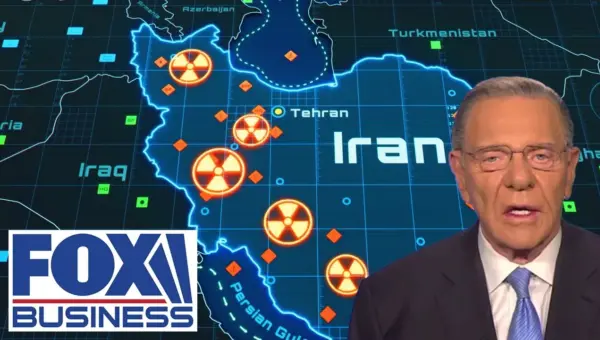
The U.S. has implemented a blockade halting Iran's oil exports, significantly impacting its revenue. Negotiations have collapsed, and Iran faces limited options. This geopolitical move could lead to market volatility, particularly in oil prices.
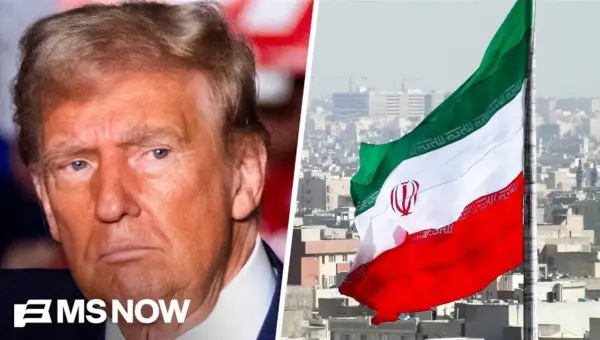
Trump Signals Indifference to High Gas Prices, Critics Warn
President Trump has declared indifference to the outcome of Iran peace talks and potential impacts on gas prices, drawing sharp criticism. Analysts view his stance as a strategic "game of chicken," while critics like Eddie Glaude call it an "eat cake" moment for ordinary Americans facing economic hardship. Concerns are rising about potential escalation and a lack of accountability.