US Warns Iran: Truce Hinges on Strait of Hormuz
President Trump has issued a stern warning to Iran, emphasizing that U.S. military presence will remain until a lasting agreement is reached. A two-week ceasefire is being tested, with stalled traffic in the Strait of Hormuz and continued regional actions. Vice President JD Vance is taking a leading role in upcoming talks in Pakistan, aiming to clarify terms and ensure compliance.

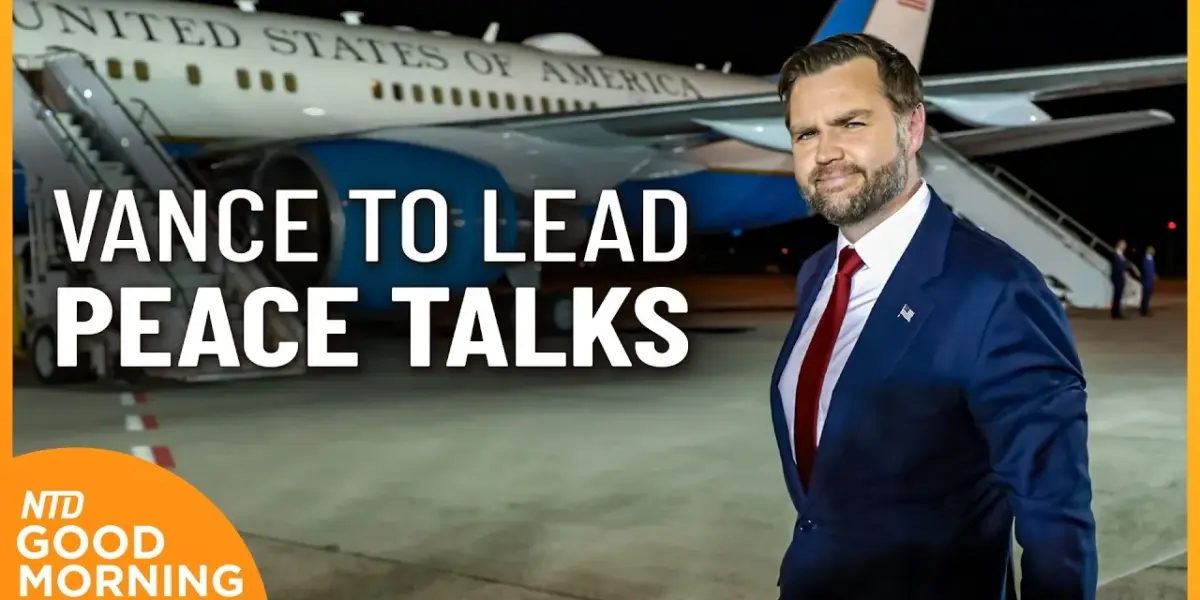
US Issues Stern Warning to Iran Over Ceasefire Terms
President Trump has issued a strong warning to Iran, stating that the United States will maintain a significant military presence in and around the region until a lasting agreement is reached. This comes as a two-week ceasefire is being tested, with ongoing talks aimed at de-escalating tensions.
The president made his stance clear on social media, emphasizing that all U.S. ships, aircraft, and personnel, along with necessary ammunition and weaponry, will remain in place. He added that if the agreement is not fully honored, the U.S. is prepared to respond with overwhelming force. This warning echoes sentiments from Secretary of War Pete Hex, who also stated that the U.S. will be closely monitoring Iran’s compliance with the ceasefire.
Ceasefire Under Strain Amid Regional Actions
The fragile two-week truce, announced by President Trump, is facing challenges. Reports indicate continued firing in the Gulf region and Israeli strikes in Lebanon. Furthermore, traffic in the crucial Strait of Hormuz has largely stalled, despite the ceasefire agreement.
Vice President JD Vance addressed these issues, suggesting a possible misunderstanding on Iran’s part regarding the inclusion of Lebanon in the peace proposal. He clarified that the agreement primarily focuses on U.S.-Iran relations. However, Vance also warned that if the Strait of Hormuz is not reopened as promised, the U.S. will continue its strikes against Iran.
“The deal is a ceasefire, a negotiation. That’s what we give. And what they give is the straits are going to be reopened. If we don’t see that happening, the president is not going to abide by our terms if the Iranians are not abiding by their terms.”
Vice President Vance Takes Center Stage in Negotiations
Vice President Vance, who has previously expressed some reservations about conflict with Iran, is now playing a key role in upcoming negotiations. He is scheduled to travel to Pakistan with Jared Kushner and special envoy Steve Wickoff for in-person talks with Iran during this critical period.
The White House has pushed back against media reports, particularly those from The New York Times and CNN, regarding a supposed 10-point plan for Iran negotiations. The White House claims these reports are false and that Iran has been feeding misinformation. They state that the actual plan being negotiated is more reasonable and has been communicated privately to the U.S. administration.
Complexities in Iran Talks: Pakistan’s Role and Hezbollah’s Influence
Middle East analyst David Wormser discussed the complexities of the negotiations, highlighting the potential for misunderstandings. He pointed to Pakistan’s role as a key negotiator, noting that its historical hostility towards Israel could complicate matters. Wormser suggested that differences in documents exchanged through Pakistan might be a source of confusion.
He also raised the possibility of internal power struggles within Iran, where different factions might agree to terms while others do not. This internal dynamic could explain inconsistencies in the ongoing talks. Wormser described Hezbollah in Lebanon as being effectively in charge, likening its influence to that of the mafia in a city, despite official government prohibitions.
Israel’s Actions and the Broader Conflict
Wormser explained Israel’s continued strikes against Hezbollah, noting that Hezbollah’s rocket attacks on northern Israel had been a significant problem, even causing more Israeli casualties than Iranian missiles. He believes Israel feels compelled to address this threat, especially since Hezbollah is operating in southern Lebanon in violation of previous ceasefire terms.
Hope in Iranian Instability, Investor Caution Advised
Despite the volatile situation, Wormser expressed hope stemming from indications of serious divisions within the Iranian government. He believes this internal struggle, while complicating negotiations, also signals that the Iranian regime is weakened and potentially descending into internal conflict. President Trump’s strategy, he suggested, might be to give Iran the space for this internal conflict to play out.
Economist Michael Bustler noted the sharp drop in oil prices following the ceasefire announcement, indicating that much of the previous price increase was due to geopolitical risk. He advised caution for investors, emphasizing the difficulty in predicting market movements due to the interplay of economic factors and unpredictable geopolitical events. Bustler suggested that individuals should be careful with their spending and that long-term investors might benefit from not constantly checking their portfolios during this uncertain period.
Congressional Efforts to Limit Military Authority
On Capitol Hill, Democrats are attempting to force a vote to limit President Trump’s military authority in the Middle East. This move, however, faces strong opposition from Republicans, who argue it would empower enemies and hinder U.S. forces. Previous attempts to pass similar legislation have failed, with some Democrats even breaking ranks to oppose it.
Source: JD Vance to Lead Iran Talks; WH Announces Uptick in Hormuz Traffic | NTD Good Morning (April 9) (YouTube)

Related Articles

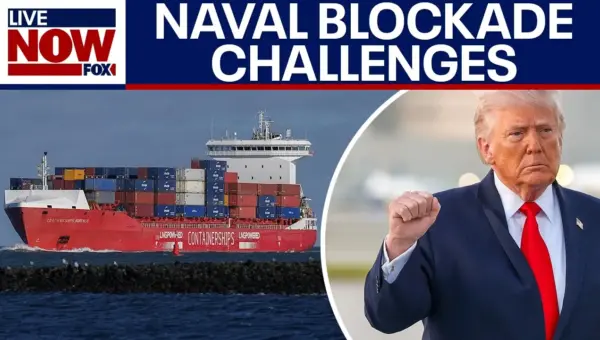
Trump Orders Iran Strait of Hormuz Blockade
President Trump has ordered an immediate U.S. Navy blockade of the Strait of Hormuz following failed negotiations with Iran. The move aims to halt all maritime traffic, but experts warn of significant risks, including potential confrontations with other nations and economic repercussions. The situation remains volatile as both sides may have used a recent ceasefire to resupply and prepare for further conflict.
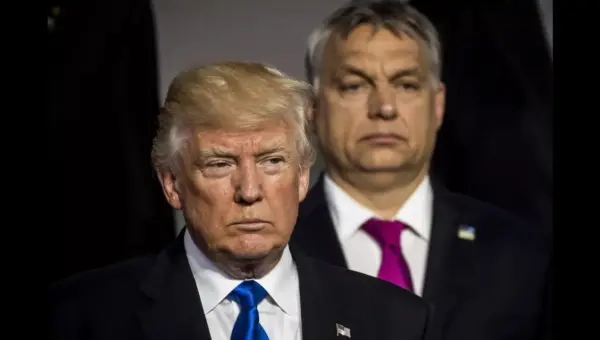
Orban’s Defeat Deals Blow to Trump’s Global Standing
Viktor Orban's significant election loss in Hungary is seen as a major blow to Donald Trump and JD Vance's global influence. The outcome challenges the momentum of the far-right and offers hope for democratic movements worldwide, with potential lessons for the U.S. Democrats.
US Navy Blockades Strait of Hormuz, Targets Iranian Tolls
The U.S. Navy has initiated a blockade of the Strait of Hormuz, targeting vessels paying Iranian transit tolls. This move aims to cut off Iranian revenue and follows failed diplomatic talks. The action carries significant geopolitical risks, particularly concerning potential Chinese involvement.