US Warns Iran: Nuclear Ambitions Face Forceful Response
Hours after a ceasefire, a US official threatened military action against Iran's nuclear program if uranium isn't handed over voluntarily. This raises concerns about ongoing conflict and Iran's strategic leverage.


US Warns Iran: Nuclear Ambitions Face Forceful Response
Just hours after a ceasefire was announced, a prominent US figure issued a stark warning to Iran regarding its nuclear program. This warning included a direct threat to use military action if necessary to prevent Iran from obtaining nuclear weapons. The statement suggests a potential return to aggressive tactics, raising questions about the effectiveness of diplomatic efforts and the future of international relations with Iran.
A Threat of Force
The core of the message was clear: Iran will never possess a nuclear weapon. The speaker outlined two possible paths to achieve this goal. Either Iran would voluntarily hand over its enriched uranium, following a plan laid out by the President, or the United States would take it by force. This second option, described as potentially involving actions similar to a past operation called “Midnight Hammer,” highlights a willingness to use military means.
The timing of this threat is notable. It came only about 12 hours after a ceasefire was reportedly reached. This raises immediate concerns about whether the ceasefire would hold or if it was already undermined by such aggressive rhetoric. The speaker questioned the logic of threatening military action so soon after a peace agreement was supposedly in place.
Iran’s Leverage and US Strategy
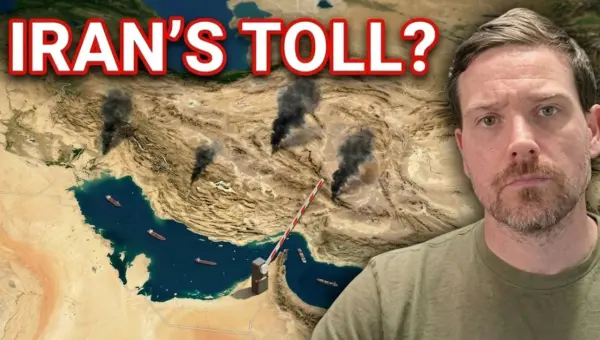
The analysis presented questions the idea that Iran would willingly give up its enriched uranium. The speaker pointed out that Iran currently controls the Strait of Hormuz, a vital waterway for global oil transport. This control gives Iran significant leverage in negotiations. It seems unlikely, the speaker argued, that Iran would voluntarily surrender its most valuable bargaining chip.
The uncertainty about obtaining the enriched uranium was also highlighted. The statement that the US “might have to go in and take it someday” suggests a lack of a clear, immediate plan. This approach was described as a “perpetual treadmill of warfare.” The idea is that the US would strike Iran, then wait for a period, only to strike again. This cycle involves constantly overseeing and potentially bombing Iran, a strategy that has been criticized as ineffective in the long run.
Historical Context and Concerns
The mention of “Midnight Hammer” points to past US military operations aimed at disrupting Iran’s nuclear activities. These operations, often conducted covertly, are designed to set back Iran’s progress without escalating into full-blown conflict. However, the threat to restart such operations signals a potential return to more direct and forceful interventions.
The speaker expressed disbelief at the aggressive tone adopted so soon after a ceasefire. This suggests a deep concern about the direction of US policy towards Iran. The strategy of repeated strikes and ongoing oversight, as described, implies a continuous, low-level conflict rather than a resolution. This approach may not address the root causes of Iran’s nuclear ambitions and could lead to prolonged instability in the region.
Why This Matters
This situation is critical because it involves the potential for military conflict between major global powers. The threat of force directly impacts regional stability and global energy markets. If the US were to take military action against Iran’s nuclear facilities, the consequences could be severe, including retaliatory attacks and a wider regional war. The effectiveness of such military actions in permanently halting a nuclear program is also debatable, as history has shown that such efforts can sometimes accelerate or drive programs further underground.
Implications and Future Outlook
The aggressive stance taken by the US official, even after a ceasefire, suggests that diplomatic channels may be strained or insufficient. It raises questions about the true intentions behind the ceasefire and the overall strategy for dealing with Iran’s nuclear program. If the US is prepared to use force, it implies a low tolerance for any further Iranian nuclear development. This could lead to an escalation of tensions and a breakdown of trust.
The “perpetual treadmill of warfare” scenario is concerning. It suggests a strategy that avoids a decisive victory or defeat but leads to ongoing conflict and instability. Such a strategy can be costly in terms of human lives, financial resources, and diplomatic capital. It may also fail to achieve the ultimate goal of preventing Iran from acquiring nuclear weapons, potentially even pushing them towards it out of perceived necessity for defense.
The future outlook depends heavily on whether diplomatic efforts can be strengthened or if the threat of force becomes the dominant approach. A return to aggressive military actions could destabilize the Middle East further, impacting oil supplies and international security. A more sustainable approach would likely involve sustained, creative diplomacy, addressing Iran’s security concerns, and finding verifiable ways to ensure the peaceful nature of its nuclear program.
Source: Hegseth Threatens New Strike Just Hours After Ceasefire #politics #fyp #new (YouTube)

Related Articles


Ceasefire Shattered: Mideast Plunges Back into Chaos
A newly announced ceasefire in the Middle East has been instantly violated, plunging the region back into chaos. Attacks on oil facilities and pipelines have escalated, with conflicting reports on the terms of the agreement. This rapid breakdown signals a difficult path ahead for regional peace.

Iran’s Shocking Peace Deal Victory: US Concedes Major Demands
A supposed ceasefire between the US and Iran has plunged the Middle East into confusion, with both sides claiming victory but presenting contradictory terms. Israel feels blindsided, and Gulf nations are still facing Iranian attacks. The deal appears to concede major Iranian demands, including control over the Strait of Hormuz and uranium enrichment, raising serious questions about the US's objectives and the true outcome of the conflict.


Oil Prices Stay High as Ceasefire Talks Crumble
The fragile ceasefire agreement is showing signs of collapse, with escalating tensions and disputed terms threatening renewed conflict. Disruptions in the Strait of Hormuz loom, potentially driving oil prices higher and impacting global markets. Investors are advised to brace for continued volatility and adopt a cautious investment strategy.