US Warns Iran: ‘Not Bluffing’ on Military Action
The U.S. is signaling a serious intent for military action against Iran if it continues to block the Strait of Hormuz. Meanwhile, the new DHS Secretary outlines a deportation plan focusing on felons and offering 'self-deportation' incentives.

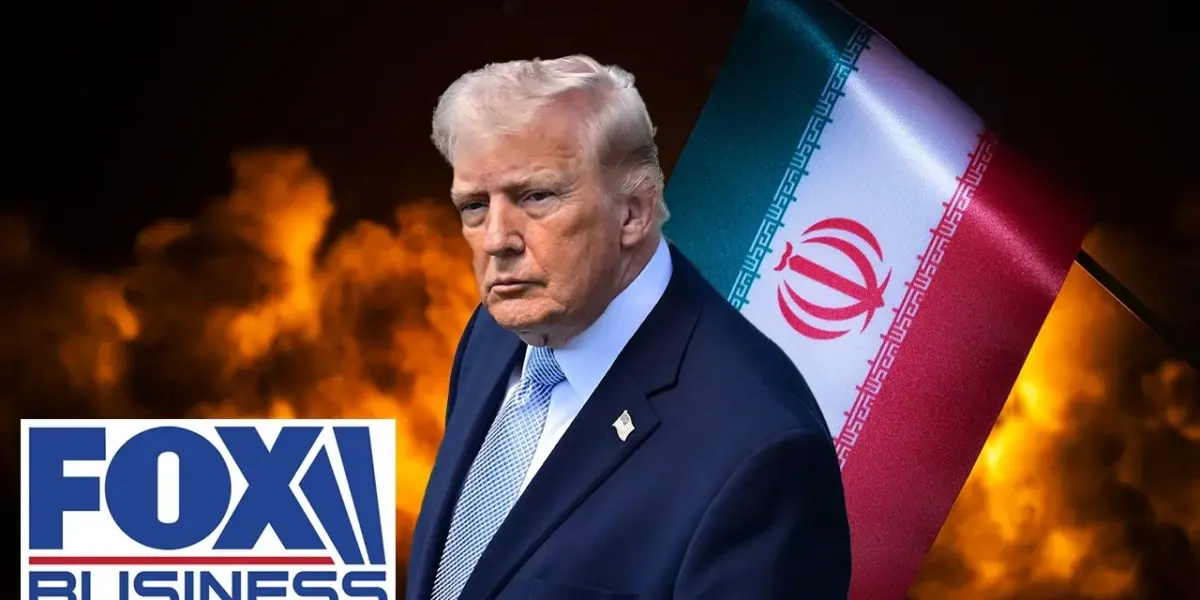
US Signals Firm Stance Against Iran, Citing Strait of Hormuz Blockade
The United States is sending a strong message to Iran, with President signaling that military action is a serious consideration if Tehran continues its disruptive behavior. This firm stance comes amid concerns over Iran’s attempts to block trade through the critical Strait of Hormuz and its broader regional activities.
Escalating Tensions and Military Readiness
Recent actions by Iran have been described as belligerent, particularly over the last five weeks. These actions have included efforts to impede shipping in the Strait of Hormuz, a vital waterway for global oil and goods transportation. The U.S. administration has responded by taking decisive measures to weaken Iran’s ballistic missile program and naval capabilities.
“The President is not bluffing here when it comes to taking action against Iran’s energy sector and its road and bridges.”
The U.S. President has stated that Iran could be neutralized in a remarkably short timeframe, suggesting a capability to significantly disrupt the nation’s infrastructure. This includes targeting key assets like bridges and power facilities. The goal, according to officials, is to compel the Iranian regime to negotiate an end to the blockade and its alleged 47-year “reign of terror.”
The Strategic Importance of the Strait of Hormuz
Opening the Strait of Hormuz is considered a top priority for the U.S. military in the Middle East. This strait is crucial for many allied nations that rely on it for oil imports and other essential goods. While the U.S. is less dependent on the strait than some allies, its strategic importance for global economic stability is undeniable.
China, in particular, is heavily reliant on the Strait of Hormuz, with approximately 90% of its oil trade passing through it. Therefore, maintaining open passage through the strait is also in China’s best interest. Beyond trade, other critical issues include Iran’s enriched uranium program and the future leadership of the country.
A Pattern of Decisive Action
U.S. officials point to past actions as evidence that the President’s warnings are not mere rhetoric. These include a strike on Iran’s nuclear facilities last summer, actions taken in Venezuela earlier this year, and the recent “incursion” operations. These events are presented as proof of a consistent and serious approach to foreign policy challenges.
The administration believes that underestimating the President’s resolve on this matter would be a significant miscalculation. The message is clear: Iran must change its behavior or face further, more severe consequences.
Immigration Policy Shift Under New DHS Secretary
In a separate development, the new Department of Homeland Security (DHS) Secretary, Markwayne Mullin, has outlined a new deportation plan. The focus will be on removing individuals with serious criminal records who are in the country illegally.
The plan involves working with local law enforcement to identify and deport undocumented immigrants with felony convictions. For those in the country illegally without criminal records, the administration is offering a program for “self-deportation,” which includes financial assistance and flights to leave the country.
Focus on Criminal Aliens and Sanctuary Policies
This approach prioritizes the removal of “the worst of the worst” and “criminal aliens.” Officials also aim to end “sanctuary districts,” where local law enforcement is restricted from cooperating with federal immigration enforcement. The belief is that such policies have contributed to increased crime, citing Minneapolis as an example.
Long-Term Immigration Reform Discussed
While emphasizing the need for strict enforcement, there is also acknowledgment of the need for broader immigration reform. The “Dignity Act” is mentioned as a potential framework for overhauling the immigration system. This act aims to provide a legal pathway for individuals who are not criminals, are working, and are willing to pay taxes and fines, allowing them to remain in the country legally and contribute to the workforce.
This dual approach seeks to address immediate border security concerns while also considering long-term solutions for the undocumented population already in the country.
Source: 'NOT BLUFFING': Warning shockwaves rock Iran as pressure mounts by the hour (YouTube)

Related Articles


Bombers Fly: US Readies Iran Strike Amid Escalating Tensions
U.S. bombers are airborne and positioned to strike Iran as President Trump's ultimatum nears its deadline. Amidst ongoing strikes targeting bridges and infrastructure, a senior Iranian leader was reportedly killed. The situation remains tense, with diplomatic efforts potentially altering the course of events.


Iran Conflict Looms: Trump’s Ultimatum Sparks Global Concern
President Trump's ultimatum to target Iran's power plants and bridges is approaching its deadline, raising global concerns. Analyst David Hookstead discusses the potential consequences of striking civilian infrastructure, emphasizing the need for diplomacy over military action. This situation highlights the delicate balance of international relations and the importance of peaceful conflict resolution.
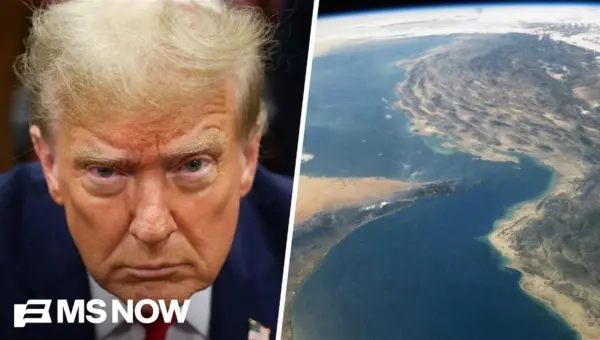
Trump’s Iran Threats Spark War Crime Fears, Military Dilemma
President Trump's fiery rhetoric threatening Iran with "mass destruction" has plunged the U.S. military into an ethical and legal quandary. As diplomatic efforts crumble, military leaders grapple with the potential for war crimes charges if they follow the president's aggressive public statements, while Iran vows severe retaliation and regional instability grows.