US War with Iran: Costly Mission, Unclear Objectives
Six Americans have been killed in the escalating conflict with Iran, a war now one week old with unclear objectives. President Trump attended a dignified transfer ceremony for the fallen service members, as the administration faces scrutiny over shifting justifications for the conflict and potential strategies, including arming Kurdish rebels. The war's economic impact, particularly rising gas prices, is expected to increasingly influence public opinion.

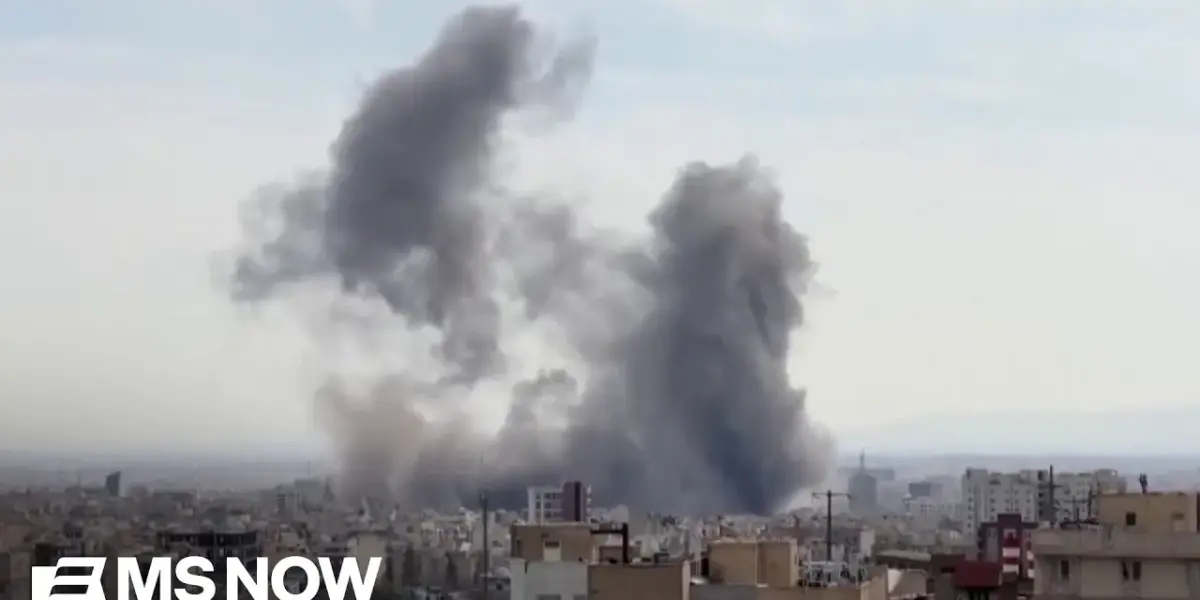
US Mourns Fallen Service Members as War Aims Remain Unclear
In the wake of escalating tensions, President Trump traveled to Dover Air Force Base in Delaware to honor six American service members killed in a conflict with Iran. The soldiers lost their lives last Sunday when struck by an Iranian drone in Kuwait, marking a grim reality for a war now entering its second week with a nebulous mission. The somber ceremony, attended by the nation’s top leadership, served as a stark reminder of the human cost of military engagement, even as the strategic objectives remain a subject of shifting explanations.
Conflicting Rationales Fuel War Debate
The justifications for the conflict have been varied and, at times, contradictory, leaving many questioning the administration’s ultimate goals. President Trump has offered multiple reasons, ranging from eliminating “imminent threats” to fulfilling “God’s purpose,” and even suggesting that “the Israelis made us do it.” He has also asserted that Iran is being “beaten to hell” and claimed the regime apologized to neighboring countries for its actions, a narrative swiftly rejected by Iran’s president, who refused a U.S. demand for unconditional surrender.
The Atlantic has reportedly outlined at least ten different rationales for the war, highlighting the lack of a cohesive and consistently communicated objective. This ambiguity extends to the potential for regime change, with President Trump reportedly open to Iran retaining its theocracy as long as he gets to choose its leader. These shifting explanations have fueled concerns about the long-term strategy and the potential for prolonged engagement.
Consideration of Arming Kurdish Rebels Sparks Controversy
Further complicating the strategic landscape, reports emerged this week of the U.S. and Israel considering arming Iranian Kurds to potentially destabilize the regime, an approach that could avoid direct U.S. troop involvement. However, experts warn this strategy carries significant risks.
“To try and get these Kurdish rebels to basically take on the Iranian regime… would be an absolute disaster.”
As one analyst noted, “To try and get these Kurdish rebels to basically take on the Iranian regime… would be an absolute disaster.” The history of U.S. involvement with Kurdish groups, particularly the 1991 uprising against Saddam Hussein, serves as a cautionary tale. In that instance, promises of American military support were not fully realized, leading to brutal repression and immense suffering for the Kurdish population. The current proposal faces skepticism from the Kurds themselves, who have historically sought their own state and have been wary of being drawn into foreign-led conflicts only to be abandoned. The Turkish government also views the arming of Kurdish groups, some of whom are designated as terrorist organizations by Turkey, with extreme apprehension.
Protection of U.S. Service Members Questioned
The attack that killed the six service members in Kuwait has also raised critical questions about the security of U.S. military installations in the region. In an era of sophisticated drone warfare, concerns are mounting about whether American bases are adequately fortified against such threats. The transcript highlighted the shift from previous conflicts, where “T-walls and sandbags” were common, to a new, more complex battlefield.
The presence of the entire inner circle at the dignified transfer ceremony underscores the gravity of the situation. However, some observers expressed dismay at what they perceived as a disconnect between the administration’s rhetoric and the harsh realities of war.
“It’s going to mean THAT’S THE HARSH REALITY OF IT. ADMINISTRATION HAVE BEEN A LOT MORE MEN AND WOMEN COMING HOME IN THAT WAY. DESPITE WHAT WE DO AND DESPITE OUR BEST INTENTIONS, THAT’S THE HARSH REALITY OF I THINK IT’S A VIDEOS GAME AND SOME WAY TO EXERCISE THEIR REPRESSED MASCULINITY THAT THEY HAVE ISSUES WITH, I GUESS.”
This sentiment suggests a fear that the human cost of the conflict is not being fully grasped or acknowledged by decision-makers, with one commentator describing the situation as akin to a “video game” that fails to account for the “humility that you should have just for the lives that you’re impacting on.”
Broader Geopolitical Ramifications and Economic Impact
The conflict with Iran is occurring against a backdrop of broader geopolitical instability, with reports of missile strikes in Israel, Lebanon, and the United Arab Emirates. The situation in Iran also mirrors concerns over Cuba, where escalating tensions and sanctions are causing severe hardship for the civilian population. Families are reportedly struggling with prolonged power outages, lack of food, and scarcity of essential medications, highlighting the devastating impact of international pressure on ordinary citizens.
Economically, the conflict poses significant risks. Disruptions to shipping traffic through the Strait of Hormuz, a critical artery for global oil and fertilizer transport, are already leading to rising gas prices in the United States. This economic pressure, particularly in an election year, is seen by some as a more potent catalyst for political change than the human cost of war.
“They will notice when they go to the gas station and they see that those costs have gone up, that food eventually will probably get more expensive because fertilizer also, a huge amount of fertilizer for the globe comes through the Strait of Hormuz on Iran’s southern coast and basically all or almost all of the ship traffic THERE HAS BEEN SHUT DOWN. SO THAT’S GOING TO COME HOME TO AMERICA IN AN ELECTION YEAR AND VOTERS ARE GOING TO PUSH BACK, RIGHT?”
As gas prices have reportedly risen by 15% in the past week, the direct economic impact on American households is becoming increasingly apparent, suggesting that political pressure may ultimately force a re-evaluation of the war’s objectives and execution.
Looking Ahead: The Cost of Uncertainty
As the conflict with Iran unfolds, the lack of a clear mission and the shifting justifications for war continue to cast a shadow over the situation. The human toll, as tragically exemplified by the dignified transfer ceremony, stands in stark contrast to the often-abstract strategic debates. The coming weeks will likely see continued scrutiny of the administration’s objectives, the efficacy of its strategies, and the growing economic pressures that may ultimately shape public and political responses to the war.
Source: “They need to see the real cost”: War with Iran hits one week without clear mission (YouTube)

Related Articles


US Iran War: Trump’s Policy Shakes Allies, Risks Election
The United States has launched an unexplained war in Iran, sparking concern among allies and domestic voters. The conflict's unclear objectives and potential impact on upcoming elections are major points of contention. Russia's global standing is also affected, with its alliances weakening.

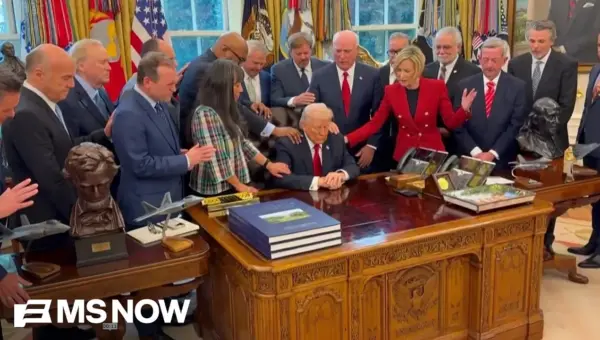
GOP Rhetoric Fuels Christian Nationalist ‘Crusade’ Fears
Concerns are rising over the infusion of Christian nationalist ideology into U.S. foreign policy, with critics warning of a 'crusade' mentality. Rhetoric from some Republican figures frames international conflicts and domestic issues through a specific religious lens, sparking fears of alienation and a departure from secular governance.


Trump’s Iran War Plan Sparks Confusion Amidst Shifting Narratives
President Trump's handling of the escalating conflict in Iran is facing intense scrutiny due to conflicting statements and a perceived lack of strategic planning. Concerns are mounting over the war's objectives, its origins, and its potential to destabilize global security.