US War in Iran: Rubio’s Flip-Flop Fuels Escalation Fears
Contradictory statements from Secretary of State Marco Rubio and Speaker Mike Johnson regarding the US war in Iran have fueled confusion and mistrust. Regional tensions are escalating with a reported Iranian drone strike on the CIA station in Saudi Arabia, while concerns rise over American troop deployment and religiously motivated rhetoric within the military.


US War in Iran: Rubio’s Flip-Flop Fuels Escalation Fears
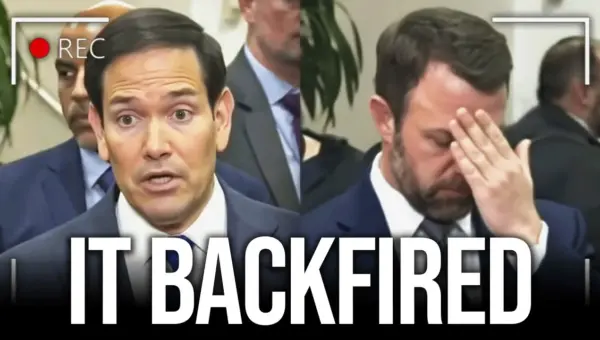
The geopolitical landscape is once again dominated by the escalating conflict in Iran, a situation that has taken a sharp turn with contradictory statements from high-ranking US officials and growing concerns about direct American involvement. Secretary of State Marco Rubio’s recent attempts to walk back comments suggesting the United States initiated the war due to an imminent Israeli strike on Iran have only served to deepen the public’s confusion and mistrust.
A Confusing Narrative Emerges
On March 3rd, 2026, the narrative surrounding the commencement of hostilities in Iran became significantly more muddled. Reporter inquiries pressed Secretary of State Marco Rubio regarding earlier statements, including those from himself and Speaker of the House Mike Johnson, which seemed to imply that US military action was preemptive, driven by intelligence of an impending Israeli attack on Iran. Rubio’s denial of these earlier on-camera remarks, despite their recorded existence, has placed the Trump administration in a precarious position of damage control. This flip-flopping, particularly from such senior figures, raises serious questions about the clarity and consistency of the administration’s foreign policy objectives and the very justifications for engaging in armed conflict.
Regional Tensions Spike Dramatically
The conflict’s tendrils are extending rapidly across the Middle East. A reported Iranian drone strike targeting the CIA station at the US embassy in Saudi Arabia, if confirmed, would represent a significant symbolic victory for Iran and a stark escalation of direct attacks on US interests. Such an event would underscore Iran’s growing capability and willingness to strike at the heart of American operations in the region. In response, Donald Trump has announced that the US Navy will commence escorting oil tankers through the Strait of Hormuz. This move, while ostensibly aimed at securing vital shipping lanes, inherently heightens the risk of direct naval confrontation in one of the world’s most critical and volatile waterways.
Concerns Over ‘Boots on the Ground’ and Morale
The specter of American ground troops being deployed in Iran looms larger following a classified briefing. Senator Richard Blumenthal emerged from the meeting with heightened concerns, suggesting that the conflict is on a trajectory that could necessitate the deployment of US forces. Meanwhile, deeply troubling reports are surfacing from within the US military itself. Allegations have been filed with the Military Religious Freedom Foundation detailing instances where commanders have reportedly framed the war as divinely ordained, with some even suggesting that President Trump has been ‘anointed by Jesus’ to play a role in end-times prophecy. Over 110 complaints from service members cite these comments as detrimental to morale and a violation of constitutional principles. This raises profound questions about the separation of church and state within the military and the potential for religious ideology to influence military operations and troop sentiment.
Humanitarian Concerns and Diplomatic Strain
The widening conflict has also left American citizens stranded in the region. The US embassy in Israel has issued a stark warning to Americans, stating that it cannot facilitate evacuations or guarantee their safety if they attempt to leave. The administration’s response to this crisis, with commercial flights shut down and thousands of Americans caught in the crossfire, has been notably dismissive. When questioned about the lack of an evacuation plan, Trump’s explanation was that events ‘just happened so quickly.’ This response has drawn criticism for its perceived lack of preparedness and empathy. Furthermore, the US is experiencing diplomatic friction with its allies. Trump has publicly criticized Spain, labeling the nation ‘terrible and unfriendly’ over its stance on the war and threatening trade repercussions, even asserting the US could utilize Spanish military bases unilaterally. Such actions strain international partnerships at a critical juncture.
Economic Repercussions and Domestic Political Battles
The war in Iran is not confined to foreign battlefields; its economic impact is keenly felt by Americans. Oil prices have surged again, with crude oil jumping approximately 7% and national average gasoline prices projected to climb towards $3.30 per gallon, with diesel prices already nearing $4 a gallon. This economic pressure adds another layer of burden to households already grappling with the costs of conflict. Domestically, political battles are intensifying. Homeland Security Secretary Christy Thorne faced bipartisan criticism during a Senate hearing, with Republican Senator Tom Tillis describing her tenure as a ‘disaster.’ The fallout from the Epstein scandal also continues, with Commerce Secretary Howard Lutnik agreeing to testify before the House Oversight Committee regarding his past associations with Jeffrey Epstein. In a separate legal development, a federal judge in New York has ruled against the Trump administration’s attempt to block New York City’s congestion pricing program, a decision that could have significant implications for urban transportation policy.
Why This Matters
The unfolding situation in Iran and its regional ripple effects highlight several critical issues. The contradictory statements from top US officials regarding the war’s origins erode public trust and raise serious questions about transparency and accountability in foreign policy decision-making. The potential for direct military confrontation in the Strait of Hormuz, coupled with the alarming reports of religiously motivated rhetoric within the military, signals a dangerous escalation that could have profound geopolitical and domestic consequences. The plight of stranded Americans and the strain on international alliances underscore the human and diplomatic costs of this conflict. Furthermore, the economic fallout, particularly rising fuel prices, directly impacts the daily lives of citizens, demonstrating the tangible connection between international affairs and domestic well-being. The entanglement of political scandals and legal challenges within this volatile period suggests a broader theme of instability and contested authority.
Implications, Trends, and Future Outlook
The current trajectory suggests a continued escalation of the conflict, with a high probability of increased direct US military engagement. The administration’s rhetoric and actions point towards a unilateralist approach, potentially alienating allies and exacerbating regional instability. The internal military situation, if the reported complaints are indicative of a broader trend, could lead to significant morale issues and legal challenges, impacting military readiness and public perception. The economic consequences are likely to worsen, further burdening consumers and potentially impacting global markets. The fusion of foreign policy crises with domestic political and legal battles creates a complex and volatile environment. The future outlook is one of heightened uncertainty, with the potential for a prolonged and costly conflict, further erosion of international cooperation, and significant domestic unrest.
Historical Context and Background
The current conflict in Iran does not exist in a vacuum. It follows decades of complex US-Iran relations, marked by the 1953 coup, the 1979 revolution, the Iran hostage crisis, and subsequent periods of sanctions and proxy conflicts. The Trump administration’s withdrawal from the Joint Comprehensive Plan of Action (JCPOA) in 2018 and the reimposition of stringent sanctions significantly heightened tensions. This historical backdrop of mistrust and antagonism provides a crucial lens through which to understand the current escalation. The repeated invocation of religious prophecy in military contexts also echoes historical instances where political conflicts have been framed through a spiritual or eschatological lens, often with devastating consequences.
Conclusion
The events of March 3rd, 2026, paint a grim picture of escalating conflict, confusing official narratives, and mounting domestic and international pressures. The decisions made in the coming days and weeks regarding the war in Iran will have far-reaching consequences, shaping not only the geopolitical future of the Middle East but also the economic stability and social fabric of the United States.
Source: BREAKING NEWS UPDATES — 3/3/26 — 7:06pm ET (YouTube)

Related Articles
GOP’s Iran Stumble: Contradictions Expose Leadership Void
The Republican party is grappling with a significant communication crisis following recent joint U.S.-Israel strikes in Iran. Conflicting statements from officials, including Senator Markwayne Mullin and Senator Marco Rubio, reveal a struggle to maintain a consistent narrative and justify the military actions, leading to widespread accusations of hypocrisy and incompetence.


US Strikes Iran: Trump Cites Imminent Threat, Markets Reel
The U.S. and Israel have launched joint strikes against Iran, killing Supreme Leader Ali Khamenei and escalating regional conflict. President Trump cited an "imminent threat" as justification, while markets reacted with volatility and oil prices surged. Meanwhile, Americans in the region face evacuation challenges amidst drone attacks on diplomatic facilities.


US Identifies Fallen Soldiers, Faces Evacuation Crisis Amidst Iran Strikes
The U.S. has identified four service members killed in an Iranian drone strike in Kuwait. Amidst escalating conflict, the U.S. faces challenges evacuating citizens from the Middle East, with reports of canceled flights and conflicting government statements on preparedness. The region remains highly volatile as strikes and counter-strikes continue.