US War in Iran Falters, Sparks Troop Discontent
The US operation in Iran, codenamed "Epic Fury," faces challenges as troop discontent grows over unclear objectives and faltering progress. Iran's escalating threats and revelations about its missile capabilities have shifted the strategic landscape, while European allies worry about reduced US support for Ukraine.

US War in Iran Falters, Sparks Troop Discontent
The United States’ military operation in Iran, codenamed “Epic Fury,” appears to be faltering after four weeks, leading to growing discontent among American service members. Originally envisioned as a short operation, the conflict shows no signs of slowing down. This situation is raising serious questions about the mission’s goals and its long-term viability.
Iran’s Escalation Threats
Iran has issued stark warnings in response to potential U.S. actions. Iranian officials stated they would target critical energy and water infrastructure in Persian Gulf countries if the United States proceeds with threats to strike Iranian power plants. Furthermore, Iran has threatened to mine all sea lanes in the Persian Gulf if the U.S. launches a ground operation along the coast of Iranian islands. The prospect of a ground operation, particularly near vital oil resources on Harg Island, represents a significant escalation and a “red line” for the American administration.
Shifting Strategic Landscape
The conflict’s dynamics shifted following an Iranian attack on an American-British military base located 4,000 kilometers from Iran’s coast. This incident revealed Iran’s capability to launch missiles over such vast distances, reaching as far as Paris, London, and most of Europe. This revelation has altered perceptions in Washington and among European allies, suggesting that Iran poses a broader threat than previously understood. While the U.S. desires an end to the operation, the missile demonstration has bolstered arguments that President Trump’s concerns about Iran’s reach were justified.
Troop Morale and Mission Clarity
Reports indicate a growing disillusionment among U.S. troops. Service members are reportedly questioning the purpose of the conflict, with sentiments like “we don’t want to die for Israel” and “we don’t want to be political pawns” being voiced. The lack of a clear, consistent rationale for the war is cited as a primary source of dissatisfaction. Questions about the ultimate goals – whether to overthrow the regime, install a new leadership, or simply end Iran’s anti-American rhetoric – remain unanswered, creating uncertainty and confusion within the ranks. This ambiguity is particularly concerning given the upcoming U.S. midterm elections and the nation’s 250th anniversary.
Intelligence and Uprising Doubts
Recent intelligence assessments, reportedly from Israel’s Mossad and published by The New York Times, suggested that an Iranian uprising could occur following military strikes, leading to the regime’s collapse. Both President Trump and Israeli Prime Minister Benjamin Netanyahu were said to have held this optimistic view. However, the expected uprising has not materialized, further complicating the mission’s objectives and the justification for continued military engagement. The operational cost, estimated at nearly a billion dollars per day, adds another layer of concern for American taxpayers amid rising gas and general prices.
European Concerns and Geopolitical Repercussions
European leaders are concerned that the conflict in Iran could lead President Trump to deprioritize support for Ukraine. There is worry that the U.S. president might retaliate against European allies for not supporting his Middle East initiatives by reducing aid to Kyiv. While short-term reliance on European bases for logistical support prevents immediate U.S. retaliation, long-term consequences are a significant concern. European nations’ refusal to assist in the Strait of Hormuz trade could foster a general distrust among Americans towards European leadership, potentially impacting future NATO cooperation and U.S. security commitments.
Economic Spillover and Sanctions Policy
The conflict has also had unintended economic consequences. A temporary easing of U.S. sanctions on Russian oil, implemented amid the Persian Gulf crisis, is estimated to have generated approximately $2 billion in additional revenue for Russia. While U.S. officials argue this relief helped stabilize global oil prices and that Russia cannot fully utilize the funds, journalists note that Russia would have received no financial benefit without the sanctions relief. The lifting of some sanctions on Iranian oil to balance prices also raises concerns, particularly given the Kremlin’s potential financial gains from the conflict. However, the U.S. faces limitations on extending the operation due to upcoming political events, suggesting that sanctions on Russian oil may be reinstated.
Russia’s Stance and Putin’s Fears
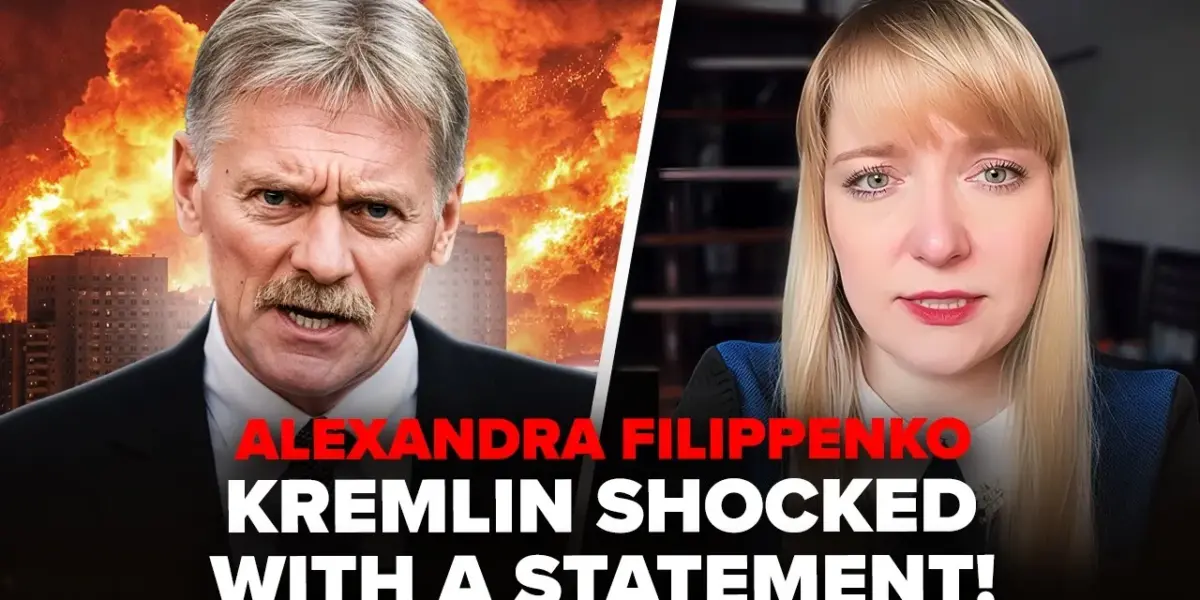
Russia has issued strong warnings regarding the potential elimination of Iranian leaders during a U.S.-Israeli operation. Kremlin spokesperson Dmitry Peskov stated that such an action would have “very serious consequences.” This sentiment reflects a deep-seated fear within the Kremlin, particularly for President Putin. The extraction of Venezuelan leader Nicolás Maduro and the death of Libyan leader Muammar Gaddafi have signaled to Putin that leaders are vulnerable and not untouchable. The prospect of leaders being eliminated is a significant concern for Putin, making such actions a “red line” for Russia. The U.S. has previously indicated that Iran may have been involved in assassination attempts against President Trump, suggesting that the elimination of leaders has not been entirely off the table for the Iranian regime.
Strategic Implications
The faltering operation in Iran raises critical questions about U.S. foreign policy objectives and military strategy. The lack of clear goals and the reliance on potentially flawed intelligence assessments have led to troop dissatisfaction and international unease. The potential for a prolonged conflict, coupled with economic repercussions like increased Russian revenue and strained European alliances, highlights the complex challenges facing the U.S. administration. The situation underscores the delicate balance between projecting power and maintaining domestic and international support for military engagements.
Source: ⚡️Kremlin issued a sharp message to Trump! Putin fears continuation of war. US takes a tough step (YouTube)

Related Articles
US Troops Wounded in Saudi Base Attack by Iran
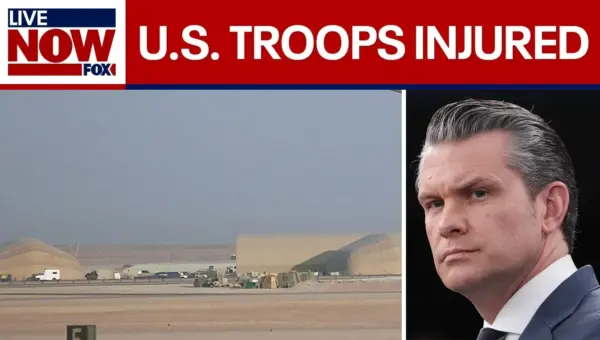
An Iranian missile attack on Prince Sultan Air Base in Saudi Arabia wounded multiple U.S. service members and damaged aircraft. The incident highlights the ongoing risks in the Middle East and the limitations of air defense systems. Analysts discuss the strategic implications, economic pressures, and the isolation of Iran amidst the conflict.


US Christian Nationalism Fuels Global Conflict Fears
A potent strain of Christian nationalism in the US is raising alarms globally, promoting a 'warlike brand' of faith that views empathy as weakness. This ideology, amplified during times of economic hardship, risks justifying aggressive actions and undermining international humanitarian norms. Its influence on policy could reshape global dynamics.

Iran Tensions Send Oil Prices Soaring; Farmers Seek Relief
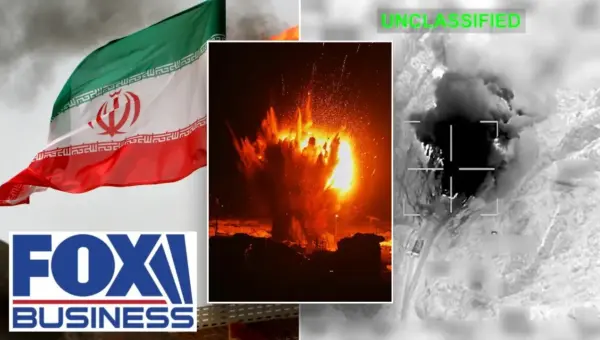
Escalating tensions with Iran are driving oil prices higher, while U.S. troop deployments to the Middle East increase. Meanwhile, American farmers are receiving relief from rising costs through regulatory changes and support measures, as devastating wildfires impact Nebraska's cattle industry.