US War Escalation in Iran: Costs Skyrocket, Benefits Vanish
The escalating conflict between the US, Israel, and Iran carries immense costs with questionable benefits. With mission creep a serious risk, the situation appears to be worsening, potentially leading to a protracted and disastrous engagement.


US War Escalation in Iran: Costs Skyrocket, Benefits Vanish
The situation between the United States, Israel, and Iran is visibly worsening. We are now entering week four of what can only be called a war. This conflict has led to significant military deployments and raises serious questions about its cost and benefit.
A Costly Conflict with Little Return
The financial and human toll of this conflict is staggering. Reports indicate around $28 billion has been spent so far, with requests for an additional $200 billion. The human cost is even more devastating, with estimates of 37,000 Iranians killed in IRGC purges and 1,000 Iranians killed in US-Israeli strikes. Thousands in Lebanon have also been killed, alongside over 20 American military deaths. Our anti-missile stockpile is depleted by 25%, and gas prices in the U.S. and globally are skyrocketing.
Republicans claim benefits like a degraded Iranian navy and hits to nuclear infrastructure. However, these supposed gains do not justify the immense costs. We have spent tens of billions of dollars and suffered dozens of deaths. The primary achievement seems to be a temporary halt to Iranian missiles, a threat that arguably only becomes imminent if we initiate conflict.
The Peril of Mission Creep
The current situation is a clear example of mission creep. This happens when a conflict starts with one goal but gradually expands in scope, cost, and timeline. We saw this in Afghanistan, where a short mission turned into a two-decade war. This pattern is now repeating in the Middle East, with the risk of an endless war looming.
Two Bleak Futures for the Conflict
There appear to be only two potential paths forward for the Trump administration, and both are concerning:
- Regime Change: This would require boots on the ground in Iran. However, the current Iranian regime is more radicalized than a month ago. Replacing a religious extremist with his even more radicalized son, who has suffered personal losses due to strikes, would likely intensify the desire for revenge. Iran’s size, population, and military strength, combined with a deeply ideological leadership, make a ground invasion incredibly difficult and potentially disastrous, risking tens of thousands of American casualties and the loss of all equipment.
- Finding an Off-Ramp and Pulling Out: While President Trump may want to disengage, doing so now could be seen as a betrayal of the Iranian people who wish to rise up against their regime. Pulling out would mean achieving nothing substantial. We would have only temporarily degraded Iran’s military, and they would likely rebuild. The most significant outcome would be leaving a more radicalized and vengeful leadership in power, potentially increasing their motivation to pursue nuclear weapons.
Diplomacy Over Destruction
Historically, diplomatic efforts to curb Iran’s nuclear program have been more successful. The Obama administration managed to achieve this through negotiation, a stark contrast to the current approach. The current strategy of military strikes, rather than diplomacy, seems to push Iran further towards developing nuclear weapons, creating a cycle of escalation.
Internal Disagreement and Questionable Justifications
Even within the administration, there are signs of disagreement. While figures like Marco Rubio and Lindsey Graham support the current operations, others like J.D. Vance have expressed concerns. The resignation of Donald Trump’s own director of counterterrorism, Joe Kent, citing insufficient evidence of an imminent threat from Iran, further highlights these doubts. Tulsi Gabbard’s hesitant testimony before Congress, where she struggled to clarify the existence of an imminent threat, also raises questions about the administration’s justifications.
Why This Matters
The current trajectory in the Middle East is deeply concerning. The conflict is escalating, with strikes on critical infrastructure like oil fields threatening global economic stability. The administration’s approach appears to lack a fundamental cost-benefit analysis, leading to a situation where immense costs are being incurred for very little tangible benefit. This approach not only endangers American lives and resources but also destabilizes the region and potentially pushes nations towards nuclear proliferation.
Implications and Future Outlook
The current strategy risks creating a more dangerous world. By empowering a more radicalized Iranian regime, we may be inadvertently encouraging them to seek nuclear weapons as a deterrent. The cycle of military action and retaliation is unsustainable and costly. The lack of clear objectives and the potential for prolonged engagement suggest a future mired in conflict, mirroring past failures in the region.
Historical Context
The relationship between the U.S. and Iran has a complex history, marked by periods of tension and attempts at diplomacy. The current escalation draws parallels to past interventions and their unintended consequences. The focus on military solutions over diplomatic ones has often proven counterproductive, leading to prolonged instability and increased animosity.
“We’ve spent tens of billions of dollars. They’re asking for $200 billion more. We’ve seen dozens of deaths and all we’ve done is for a short amount of time stop Iran from having missiles.”
The current situation demands a serious re-evaluation of our foreign policy objectives and strategies in the Middle East. A clear-eyed assessment of costs versus benefits, coupled with a renewed commitment to diplomacy, is essential to avoid further escalation and promote regional stability.
Source: It’s getting worse… (YouTube)

Related Articles


Stocks Ignore War Risks, Focus on “Taco Moments”
Stock markets appear to be overlooking the severe supply chain risks stemming from the Iran conflict, focusing instead on potential diplomatic de-escalations. While the S&P 500 shows resilience, bond and commodity markets signal deep concern over disruptions to critical resources like LNG, helium, and fertilizers.

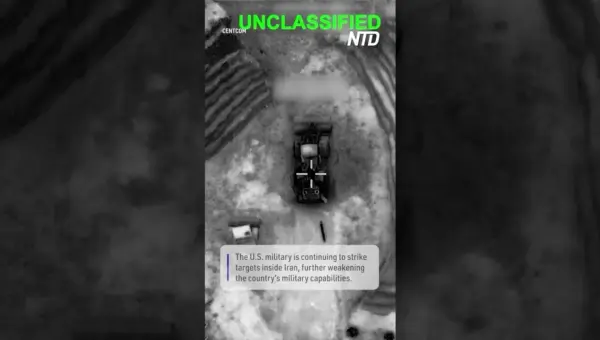
US Strikes Cripple Iran’s Military Might, CENTCOM Reports
U.S. Central Command reports ongoing strikes inside Iran are significantly weakening its military power. This direct action aims to reshape regional security dynamics, but carries risks of escalation. The long-term impact depends on Iran's response and ability to adapt.

U.S. Iran Tensions Rise Amid Shifting Alliances
Rising tensions between the U.S. and Iran are creating a volatile geopolitical situation. With conflicting signals on de-escalation and potential shifts in alliances like NATO and U.S.-Israel relations, the path forward remains uncertain. The global economy and regional stability hang in the balance.