US War Drains Ukraine Aid, Azerbaijan Boosts Europe Gas
The ongoing conflict in the Middle East is diverting crucial U.S. air defense resources away from Ukraine, raising concerns about Kyiv's ability to counter Russian attacks. Meanwhile, Azerbaijan is significantly boosting its natural gas exports to Europe, diminishing Russia's energy leverage and impacting Moscow's revenues.

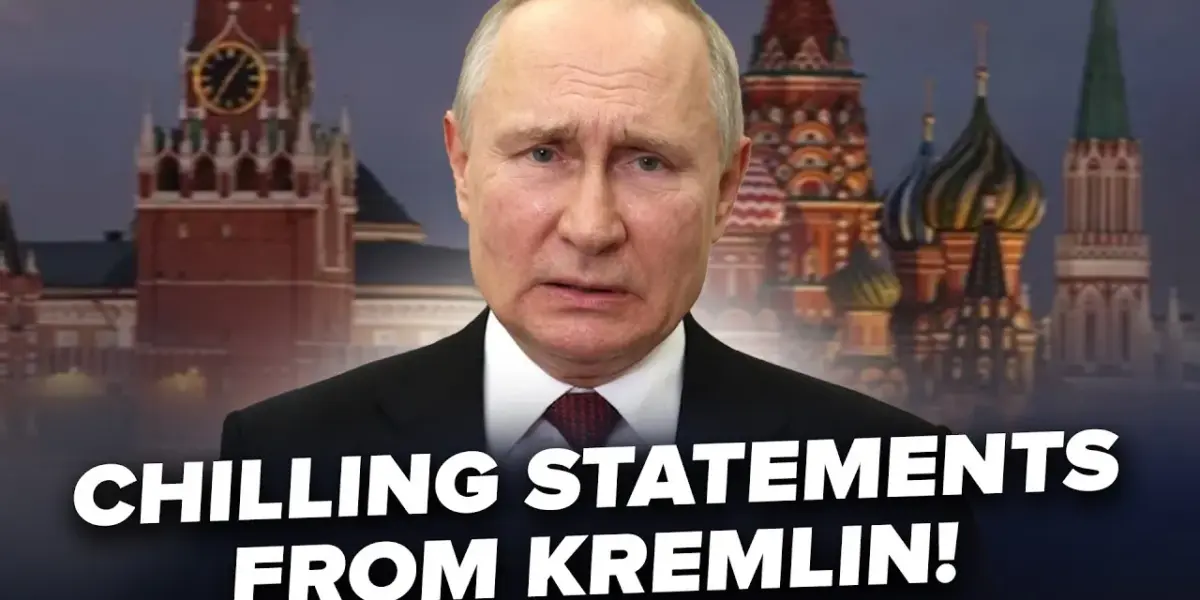
Middle East Conflict Diverts Critical Air Defense, Strains Ukraine’s Supplies
The escalating conflict in the Middle East is having a significant and concerning impact on Ukraine’s ability to defend itself against Russian aggression. Precious air defense missile supplies, particularly those from the United States, are being diverted to support military operations in the region, potentially jeopardizing future aid to Kyiv and weakening its capacity to counter Russian ballistic missile attacks. This diversion, reported by Politico, has led to concerns among senior European officials and U.S. lawmakers that Russia may seize the initiative while Western allies are preoccupied.
Sources speaking to Politico indicate a grim outlook. The U.S. war effort against Iran has led to the expenditure of hundreds of Patriot missiles by allied forces in the Persian Gulf region to intercept Iranian ballistic missiles and drones. These expenditures deplete stockpiles that Ukraine desperately needs. The production of Patriot interceptors, currently around 270 per year, cannot meet the surging global demand. While Lockheed Martin has committed to tripling production to 2,000 missiles annually, this ramp-up will take years, leaving a critical gap in supply for Ukraine in the interim.
“The biggest concern is that Russia could seize the initiative while the U.S. and Europe are disrupted,” stated one source. “Moscow could target Ukraine’s civilian infrastructure and try to shift the front line.” This sentiment is echoed by German officials, who noted that delayed weapons deliveries in late last year contributed to the destruction of Ukraine’s energy infrastructure. The high cost and limited availability of these advanced air defense systems present a growing challenge for Ukraine’s long-term defense strategy.
Trump Administration Engages with Russia Amidst Diplomatic Uncertainty
In a parallel development, representatives from the Trump administration and the Kremlin met in Florida to discuss a range of topics. The U.S. delegation was led by Special Envoy Steve Whitov and included figures such as Jared Kushner and White House Senior Advisor Josh Gruinbomb. The Russian delegation was headed by Putin’s Special Envoy Kirill Dmitriev. Both sides reportedly agreed to maintain communication following the talks.
Meanwhile, Ukrainian President Volodymyr Zelenskyy expressed his hope for U.S. assistance in ending the war, emphasizing that diplomatic pressure should be directed at Russia, not Ukraine. In interviews with Axios and Politico, Zelenskyy stated that Ukraine supports negotiations and views President Trump’s influence as crucial. However, he stressed, “We don’t trust Russia, but I think and believe the Americans really want to end this war. I hope they will help us, but we need more pressure on Russia, not on me.” Zelenskyy’s remarks followed comments from Trump expressing frustration and urging the Ukrainian leader to “get to work and make a deal.”
Trilateral talks between Russia and the U.S., initially scheduled for Turkey, were postponed at the U.S.’s suggestion due to the Middle East conflict, with a new date pending. Former U.S. Special Envoy for Ukraine, General (Ret.) Keith Kellogg, outlined potential conditions for a ceasefire, suggesting that Putin must acknowledge Russia’s inability to achieve further territorial gains. Kellogg believes a ceasefire could be imminent if both Ukraine and Russia agree to freeze current front lines, asserting that it is Putin, not Zelenskyy, who is preventing the war’s end.
Russia Faces Economic Strain Amidst Shifting Energy Markets
Russia’s economy is reportedly facing significant strain, with the government planning to cut non-essential budget spending by 10% due to a sharp decline in oil and gas revenues. According to Reuters sources, Russian finance ministry officials have directed agencies to optimize spending, targeting projects deemed non-critical for the regime’s survival, such as road repairs and some military expenditures. However, salaries for public employees and pensions are expected to remain untouched due to their political sensitivity.
The first two months of 2026 saw a 11% drop in total budget revenues, exacerbated by falling oil prices. Russia’s National Wealth Fund is being tapped to cover budgetary shortfalls. While the current conflict in the Middle East has temporarily boosted global oil prices, providing Moscow with a short-term reprieve, analysts suggest this rise is not sustainable and that systematic budget problems necessitate spending cuts regardless of external factors.
Azerbaijan Emerges as Key Energy Supplier to Europe
In a significant development for European energy security, Azerbaijan is rapidly increasing its gas supplies to Europe, thereby diminishing Moscow’s influence in the energy market. President Ilham Aliyev announced in Baku that Azerbaijan is prepared to boost its gas production by 10 billion cubic meters and expand exports to Europe. “We are planning to increase gas production this year. We will start producing gas from a new field, and in two to three years from now, if everything goes according to schedule, we will have a minimum of 10 billion cubic meters of gas more than what we have today,” Aliyev stated during a joint appearance with European Council President Charles Michel.
Since 2022, Azerbaijan has substantially increased its gas exports to Europe, both in volume and the number of recipient countries. Currently, 10 EU nations and 16 countries in total receive gas from Baku, positioning Azerbaijan as a leading global pipeline gas supplier. This comes as the EU has implemented a full ban on Russian gas imports, with further restrictions on LNG and pipeline gas set to take effect in the coming years. This strategic shift allows Europe to further distance itself from Russian energy dependence.
Looking Ahead: Shifting Alliances and Economic Pressures
The coming months will be critical in observing how the diversion of U.S. air defense resources impacts the conflict in Ukraine. Simultaneously, the effectiveness of Europe’s diversification of energy sources away from Russia, particularly with Azerbaijan’s increased role, will be closely monitored. Diplomatic efforts, including potential negotiations involving the U.S. and Russia, will also be key to understanding the future trajectory of the conflict and its broader geopolitical implications.
Source: 😱Putin’s regime is collapsing! Kremlin is hiding its failure from Russians. Moscow can’t hold on (YouTube)

Related Articles

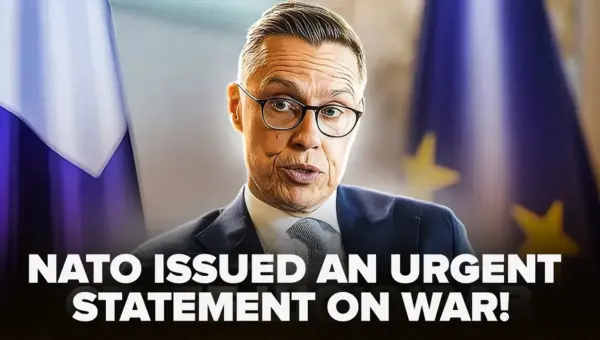
Ukraine Strikes Russian Oil Refinery, Eyes Iran Threat
Ukrainian forces struck a key Russian oil refinery, disrupting Moscow's war capabilities. Meanwhile, Finland's president urged continued U.S. support for Ukraine, as Kyiv shares its air defense expertise globally amid growing geopolitical complexities involving Iran and potential sanctions against Hungary.
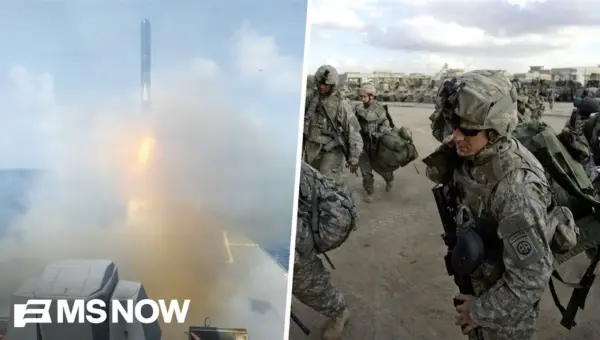
Iran Missile Strikes Injure US Troops, Raise War Concerns
Iranian missile strikes have injured U.S. service members, escalating tensions as the conflict nears one month. The attacks are raising concerns about the effectiveness of U.S. military strategy and the depletion of crucial missile stockpiles. Global oil prices have surged, impacting economies worldwide.

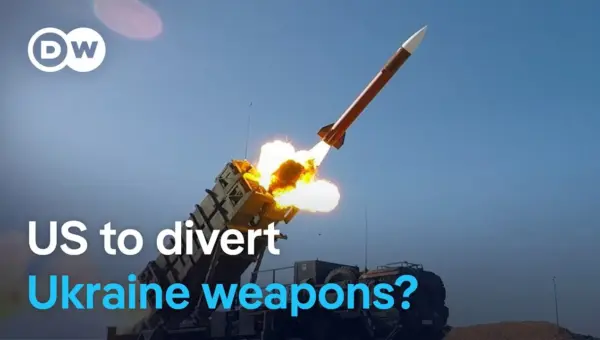
US Weighs Shifting Ukraine Weapons to Iran Amid Missile Shortage
The U.S. is reportedly considering diverting weapons destined for Ukraine to support operations against Iran, driven by rapidly depleted missile stocks. This potential shift raises concerns about Ukraine's defense capabilities and highlights the complex interplay between global conflicts.