US War Crimes Unleash Global Chaos: Iran Conflict Escalates
A critical analysis of the escalating conflict in Iran, questioning the U.S. war's objectives, its devastating impact on infrastructure, and its potential to ignite a wider global conflict. The piece highlights the human cost and geopolitical ramifications of a war that appears to be spiraling out of control.

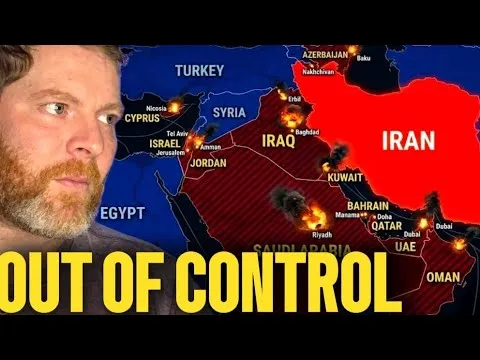
America’s ‘Weekend Operation’ Against Iran Spirals into Uncontrolled Conflict
What was initially framed as a swift, decisive operation has devolved into a protracted and increasingly dangerous conflict, now entering its second week. The United States’ military engagement in Iran, described by critics as an “aggression,” appears to be spiraling beyond its intended scope and control. The initial assessment of a brief “weekend operation” has proven to be a “fantasy,” as Iran, a nation with a 40-year history of preparing for confrontation, demonstrates a tenacious resistance.
The extensive damage being inflicted upon Iran’s infrastructure raises profound questions about the true objectives of this military action. The systematic destruction of not only military targets but also essential services like schools suggests that the stated goal of “liberating the people” may be a misdirection. Instead, the widespread devastation points towards a more punitive objective: the “capitulation of one people and punishing them from standing against you.” This approach, critics argue, solidifies America’s image on the global stage as a “bully.”
Apocalyptic Scenes Emerge from Devastated Infrastructure
Reports and imagery emerging from Iran paint a grim picture, reminiscent of the scorched earth tactics seen during the Gulf War. The Shakan oil depot, attacked with massive air strikes, is described as an “apocalyptic scene.” Witnesses recount an hour-and-a-half-long bombardment, followed by the distinctive “massive thuds and then explosions.” The aftermath reveals still-burning storage tanks, destroyed infrastructure, and widespread devastation across Tehran, visible even through the “thick black plug of smoke” that blankets the city.
A particularly disturbing detail is the report of “black rainfall” in Tehran, a consequence of oil mixed into the precipitation from the damaged facilities. This environmental catastrophe underscores the indiscriminate nature of the attacks, which extend beyond military targets to cripple a nation’s ability to function and recover. The destruction of infrastructure, including power lines and transport vehicles, highlights the profound impact on the civilian population’s daily life and future prospects.
Escalation Fueled by Political Rhetoric and Shifting Alliances
Amidst the ongoing conflict, a potential de-escalation was seemingly offered when Iran reportedly reached out to Gulf states, expressing a readiness for peace talks. However, this diplomatic overture was met with a strong, public rejection from the U.S. President, who, via social media, characterized Iran’s actions as an “apology and surrender.” This rhetoric, critics contend, has actively undermined peace efforts and fueled further aggression.
The President’s pronouncements, which suggest a desire for Iran’s “complete destruction” and “certain death” for its people, are viewed by many as indicative of a “sadistic” and “malevolent intent.” This is particularly alarming given the President’s campaign promises of “no new wars” and the public’s weariness with prolonged Middle Eastern entanglements. Despite this, a significant portion of the U.S. population appears to support the current military action, a trend that raises concerns about future U.S. foreign policy.
The narrative of regime change, while often denied, appears to be a driving force. The argument is made that by systematically dismantling Iran’s leadership and infrastructure, the goal is effectively to force a new regime into place, even if it’s not explicitly stated. The destruction of schools and the targeting of the younger generation are seen as attempts to “erase the future of the nation,” while crippling its primary economic engine, oil, ensures long-term vulnerability.
Historical Context and the Cycle of Retaliation
For the past 40 years, Iran has consistently identified America as the “great evil of the West.” This conflict, according to this perspective, is merely proving that characterization true. The destruction of a nation’s infrastructure is not just an attack on its government but on its culture, potentially emboldening extremist elements within the population and creating a legacy of hostility towards the United States for generations.
The assertion that Iran “hasn’t lost a war in a thousand years” is brought up to question the rationale behind the current engagement. Given Iran’s geographical distance and limited offensive capabilities against the U.S. homeland, the absence of an imminent threat suggests that the war’s purpose lies elsewhere, perhaps in resource control or geopolitical reshaping, rather than self-defense.
While acknowledging the oppressive nature of the Iranian government, the argument is made that America’s actions are more destructive, eradicating the nation’s future. This, in turn, can foster defiance and a unified stance against what is perceived as an external aggressor.
A Widening Conflict and Global Ramifications
The conflict shows signs of broadening beyond Iran’s borders. Attacks on oil refineries in Haifa, Israel, attributed to Iranian missiles, demonstrate a widening theater of operations. The use of cluster bombs to penetrate Israeli missile defenses suggests a sophisticated retaliatory strategy. The potential for escalation is further amplified by the mobilization of Kurdish forces in western Iran and the military preparations of Azerbaijan for incursions into Iranian territory, ostensibly to protect ethnic Azerbaijanis within Iran.
The involvement of Azerbaijan could draw in Turkey, a NATO member, potentially leading to a wider NATO commitment. This scenario frames the conflict not just as a bilateral dispute but as a “great war of our times” with potentially global implications, driven by competition for resources.
The domestic impact within the United States is also a concern. Reports of cancelled leave for airborne military units signal further mobilization. Simultaneously, the U.S. economy faces degradation, job losses, and rising costs, exacerbated by the fuel crisis stemming from the conflict. The strategic importance of Iran’s vast oil reserves, similar to Venezuela, is highlighted as a key motivator behind these conflicts.
International Resistance and the Undermining of Alliances
Despite the U.S. administration’s efforts to rally support, some European nations, like Spain, have refused to allow their bases to be used for offensive strikes against Iran. This resistance, though perhaps temporary, indicates a division within traditional alliances and a reluctance to be drawn into the conflict.
However, the effectiveness of domestic opposition within the U.S. is questioned, with the belief that neither Congress nor the Senate will halt the President’s actions. The President’s reliance on specific media outlets, which allegedly encourage the war, further isolates him from dissenting voices and reinforces a perception of a “popular war” despite broader public reservations.
The attack on the U.S. embassy in Oslo, Norway, is presented as a direct consequence of the escalating conflict, an event that is reportedly being downplayed in American media. This incident serves as a stark reminder that the repercussions of the war extend beyond the immediate combat zone, placing Americans abroad, regardless of their political affiliation, at increased risk.
Why This Matters
The escalating conflict in Iran and its potential to draw in regional and global powers represent a critical juncture in international relations. The narrative presented challenges the official justifications for the war, proposing that the destruction of infrastructure and the infliction of widespread suffering are not collateral damage but deliberate objectives. This perspective suggests that the war is less about liberation and more about punishment, capitulation, and potentially, the reshaping of the Middle East for strategic and economic gain. The potential for a wider conflict involving NATO, the destabilization of a key region, and the creation of long-term animosity towards the United States are significant implications.
Future Outlook and Broader Implications
The future trajectory of this conflict is deeply uncertain. The current strategy, characterized by overwhelming force and a disregard for long-term consequences, risks creating a persistent state of hostility and instability. The targeting of civilian infrastructure and the potential for environmental catastrophes like oil-laced rain suggest a disregard for human life and the planet, raising ethical and moral questions about the conduct of modern warfare.
Furthermore, the potential for the conflict to inspire retaliatory attacks against civilian targets and tourist destinations worldwide poses a direct threat to global security. The assertion that the most vulnerable targets for Americans are not military but civilian underscores the far-reaching and personal consequences of such aggressive foreign policy. The war’s impact on the U.S. economy, coupled with a potential erosion of international standing and trust, could leave America vulnerable once the immediate fear subsides.
The commentary suggests a worrying precedent being set, where a leader, driven by personal ambition and a limited understanding of geopolitical realities, can initiate devastating conflicts with potentially irreversible consequences. The world’s response, or lack thereof, to these events will shape the future of international law, the ethics of warfare, and the global balance of power for decades to come.
Source: Airborne Mobilized & Oslo Embassy Attacked: We Lost Control of the War (YouTube)

Related Articles

Fox News Flips: Allies Abandon Trump Amidst Iran War Fallout
As the conflict with Iran escalates, cracks appear in President Trump's support base, with Fox News facing accusations of altering coverage amidst rising gas prices and a credibility gap. The analysis explores the economic fallout, media accountability, and the administration's struggle to define and manage the ongoing hostilities.


Trump’s Iran Gambit: A Desperate Bid for Victory?
MeidasTouch hosts speculate on Donald Trump's potential strategy to declare victory in a spiraling Iran conflict, raising questions about accountability and the power of narrative control in foreign policy.

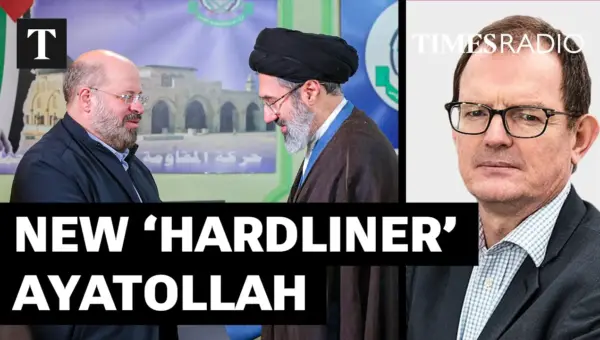
Iran Escalates Conflict: New Hardline Leader Takes Charge Amidst Global Tensions
Iran has appointed a hardline successor to its Supreme Leader amidst escalating international conflict. As missile strikes continue and global oil markets react, the UK details its military involvement, while humanitarian concerns rise. The potential for Kurdish involvement in Iran's western regions adds another layer of complexity to the deepening crisis.