US War Costs Shift Burden to America’s Poor
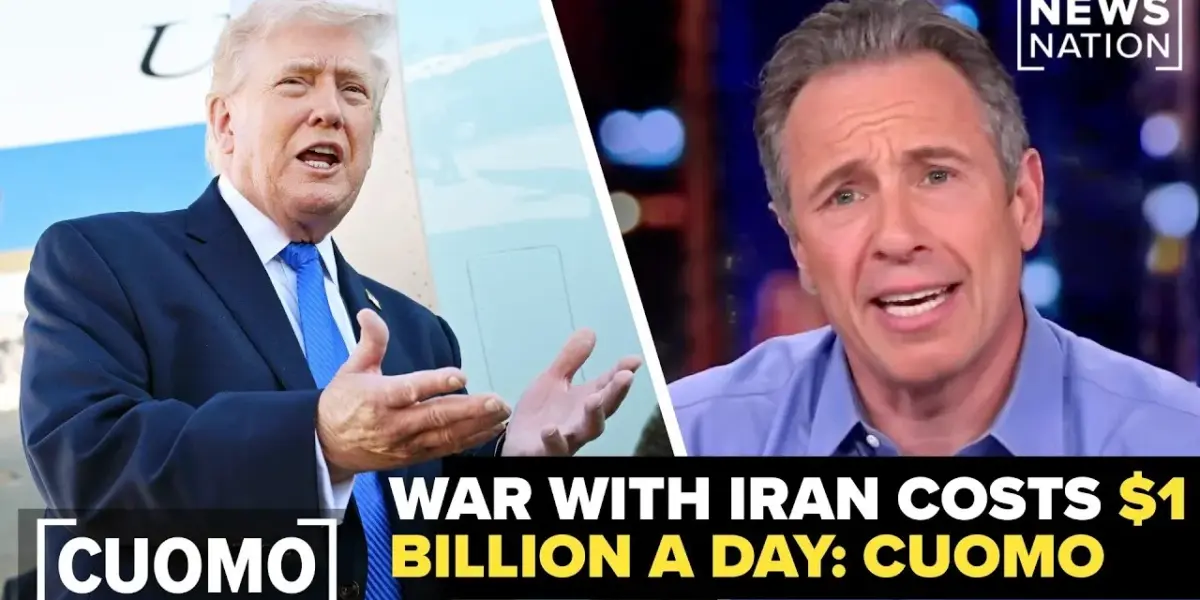
A billion-dollar-a-day war with Iran is forcing difficult funding choices. Instead of cutting spending elsewhere, the burden is being placed on America's poor through cuts to essential healthcare programs. This comes as the administration targets programs it calls 'fraudulent' but which helped manage healthcare costs, while continuing subsidies for corporations and wealthy individuals.

US War Costs Shift Burden to America’s Poor
The ongoing conflict involving Iran is proving to be far more expensive than initially expected, with reports indicating a daily cost of a billion dollars. This massive expenditure is happening while many Americans struggle with everyday costs, especially for essentials like healthcare. The fight for affordable healthcare, a major concern for most citizens, has taken a backseat to the war effort.
A concerning development is the proposed method to fund the military actions: making the poorest Americans bear the cost. This mirrors past decisions, such as with Affordable Care Act (ACA) subsidies, which nearly 80% of Americans support. Republicans in the Senate have yet to pass these subsidies, even after a government shutdown that was supposedly about healthcare.
Programs for the Needy Under Threat
Once again, programs designed to help the poor are facing cuts. Officials are not openly stating that these cuts are to fund the war. Instead, they use phrases like “rooting out fraud” and addressing “waste, fraud, and abuse” in healthcare spending. While these issues are real, the focus on them seems to disproportionately affect those most in need.
Notably, there’s no similar crackdown on billions spent to subsidize energy companies, which are currently thriving due to high prices. Nor are there cuts to the hundreds of millions given to subsidize new companies run by members of the Trump family. The so-called “fraud” being targeted often involves accounting methods that were actually encouraged by the Trump administration itself during his first term.
Targeting Cost-Sharing Reduction Programs
The specific programs being targeted are called Cost-Sharing Reduction (CSR) programs. These programs act as a way for the government to help manage the high costs set by hospitals and insurance companies. It appears the current administration is more hesitant to confront these powerful companies than to confront the Iranian regime.
The policy being labeled as “fraud” is a legal one. President Trump himself supported a similar policy called “Silver Loading” during his presidency. This policy helped manage healthcare costs through subsidies. Now, this is being framed as a difficult choice needed to pay for the President’s chosen war.
Potential Impact on Vulnerable Americans
As a result, an estimated 300,000 more working-poor Americans could lose their health coverage, becoming casualties of this war. This is happening while alternative funding sources exist. For instance, tax breaks for the wealthiest could be reduced. The expensive “Golden Dome” project, estimated to cost at least $200 billion and questioned by many military experts, could also be cut.
Additionally, the $600 million given to a rare earth minerals company, in which Donald Trump Jr. has invested, could be reduced. There is no mention of fraud, waste, or abuse concerning these expenditures. While healthcare spending in the U.S. is indeed very high – comparable to the third-largest economy globally – the debate seems to be misdirected.
A Shift from Domestic Issues to Foreign Conflict
The focus appears to have shifted from addressing domestic challenges and improving the country to engaging in foreign conflicts. The funding for these conflicts is being sourced by increasing the burden on the poor, rather than by asking the wealthy to contribute more or cutting questionable government spending.
The war in Iran is presented as beneficial for the wealthy, particularly those connected to the military-industrial complex. The true fraud, it is argued, is the system that protects profitable companies while making the poor pay for foreign conflicts, all while the effects of the war are felt negatively at home.
Diplomatic Developments Offer Hope?
On a positive note, there are reports of negotiations to end the war. According to the President, discussions are happening with appropriate parties. President Trump mentioned on social media that the United States is in serious discussions with a “new and more reasonable regime” in Iran. He used capital letters, which he believes emphasizes importance.
The Secretary of State echoed this sentiment, stating that current Iranian officials are communicating differently than their predecessors. He noted that they are willing to do certain things and express certain ideas. The Secretary believes these new leaders have a more hopeful vision for the future, which would be good news for the U.S., Iran, and the world.
However, some observers remain critical, even while acknowledging potential growth in certain political figures. The core concern is the justification and funding of foreign wars at the expense of domestic well-being, particularly for the most vulnerable citizens.
Source: US war with Iran is costing a lot more than expected: Cuomo | CUOMO (YouTube)

Related Articles

Trump Weighs War Crime Threat Over Iran Strait
President Trump is reportedly willing to accept the continued closure of the Strait of Hormuz, despite earlier threats, signaling a shift in U.S. demands. This comes as gas prices surge and markets react negatively to the ongoing conflict. Conflicting messages from within the administration fuel confusion about the war's objectives and exit strategy.

Trump’s Iran War Falters, Retreat Looms Large
Reports indicate a potential shift in the Trump administration's strategy regarding Iran, moving from ambitious military goals to a possible withdrawal. This pivot raises questions about effectiveness, regional stability, and the evolving nature of modern warfare.

Trump Faces ‘Irreversible Mistake’ in Iran Conflict
Experts warn President Trump could make an "irreversible mistake" in the Iran conflict, with few easy options for de-escalation. Potential strategies range from declaring victory to military action, each carrying significant risks. The situation also highlights the UK's diminishing global influence and domestic economic challenges.