US Unleashes ‘Multiple Levers’ to Curb Oil Price Surge
The U.S. is employing a multi-pronged strategy, including potential unsanctioning of Iranian oil and SPR releases, to combat rising crude prices. Energy Secretary Wright highlighted the use of "lots of levers" to ensure market stability and boost domestic production.

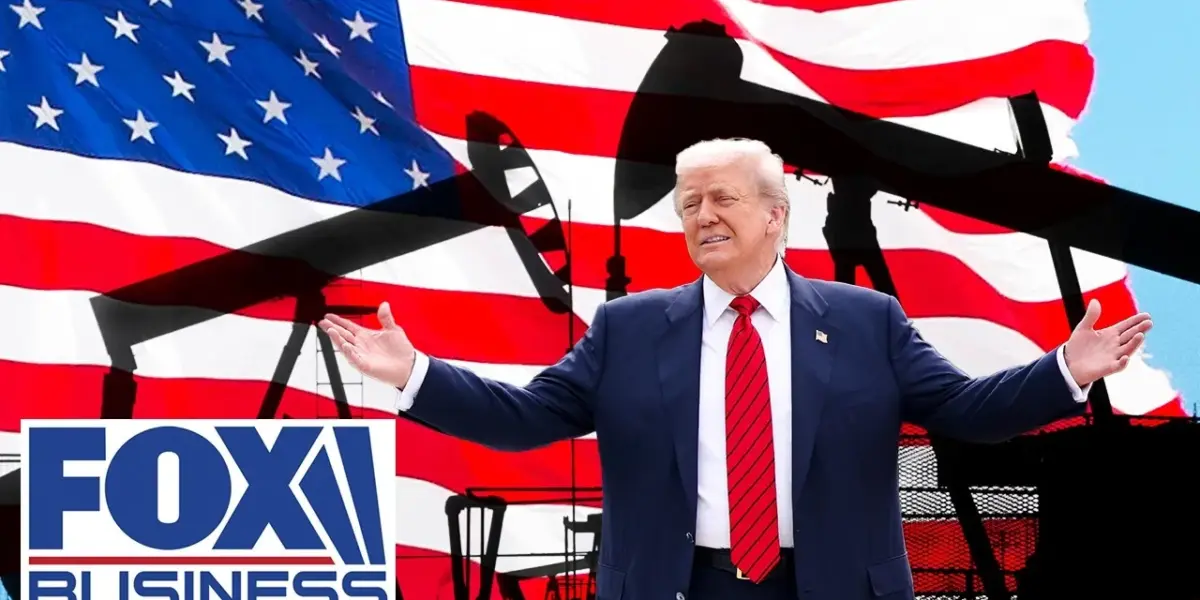
US Unleashes ‘Multiple Levers’ to Curb Oil Price Surge
The United States is deploying a range of strategies, including potential sanctions relief on Iranian oil and tapping strategic reserves, to counteract rising global oil prices. Energy Secretary Christopher Wright emphasized the administration’s commitment to using “lots of levers” to stabilize markets amid geopolitical tensions in the Middle East.
Iranian Oil Floats as Potential Market Stabilizer
A significant aspect of the U.S. strategy involves considering the unsanctioning of Iranian oil currently held on tankers. Treasury Secretary Scott Bessent indicated that approximately 130 million barrels of oil are in floating storage. The U.S. might allow this oil, estimated at 140 million barrels, to enter the market. This amount could supply global needs for ten to 14 days, potentially easing price pressures.
“We may unsanction Iranian oil that’s on the water,” Bessent stated, explaining that this oil, originally destined for China, could be redirected. “In essence, we will be using the Iranian barrels against the Iranians to keep the price down for the next ten or 14 days as we continue this campaign.”
Secretary Wright elaborated on the timeline, suggesting that once unsanctioned, the oil could begin arriving at ports within three to four days. Most refineries are located near ports, allowing for a rapid integration into the supply chain. This oil is expected to be absorbed by the market within 30 to 45 days, helping to fill supply gaps caused by disruptions in the Persian Gulf.
Strategic Petroleum Reserve and Allied Support
The U.S. is also prepared to utilize its Strategic Petroleum Reserve (SPR). While acknowledging that the Biden administration previously released 200 to 300 million barrels for political reasons, Secretary Wright highlighted coordinated releases with over 30 nations. These releases aim to inject oil into the market and offset barrels not flowing from critical shipping routes like the Strait of Hormuz.
The U.S. has engaged in oil swaps, trading current supply for more oil deliveries in the future. “We traded a barrel of oil delivery today or in the next few months during this shortage for over 1.2 barrels of oil to be delivered to us 12 to 18 months from now,” Wright explained. This strategy ensures the SPR will have more barrels than before, without additional taxpayer expense.
Furthermore, the U.S. is securing international cooperation. Five European countries and Japan have pledged support to secure the Strait of Hormuz. This alliance aims to ensure safe passage for vessels through the vital waterway, a move that gained traction after President Trump met with Japanese Prime Minister Sanae Takaichi.
Boosting Domestic Production and Infrastructure
Beyond international measures, the administration is focused on bolstering domestic energy production. Secretary Wright met with oil executives who expressed a strong desire to invest and expand production, provided government regulations do not hinder their efforts. “They need the government to get out of their way,” Wright noted.
A key legislative goal is permitting reform, which would streamline the process for building energy infrastructure like pipelines. “We would love to get a permitting reform bill through Congress,” Wright stated. He believes President Trump can unite both parties to support such reforms, enabling quicker project development and job creation.
The U.S. energy sector is already producing at near-maximum capacity given current infrastructure. However, the expansion of pipelines, particularly from regions like West Texas and Southeast New Mexico, is crucial for increasing natural gas and oil output. This infrastructure development is seen as vital for meeting growing demand from sectors like artificial intelligence (AI) and data centers.
Investing in Future Energy Capacity
Looking ahead, the U.S. is investing in large-scale energy projects. A significant initiative in Ohio involves repurposing a former nuclear diffusion plant into a massive energy campus. This site will host natural gas power plants and potentially nuclear power plants, designed to power data centers and next-generation manufacturing.
“We’re going to celebrate the construction of new power plants,” Wright said, contrasting this with policies that favor closing existing ones. He emphasized the reliability and affordability of American natural gas, which remains largely unaffected by Middle Eastern conflicts.
This project, a partnership with Japan, includes investments from Japanese companies and will create jobs and economic growth in the region. The U.S. also aims to foster a nuclear renaissance, expanding its clean energy capacity. This aligns with the administration’s broader goal of energy dominance, ensuring both domestic energy security and global stability.
Market Impact and Investor Outlook
The multifaceted approach by the U.S. aims to address immediate price spikes while fostering long-term energy security. The potential influx of Iranian oil and SPR releases could provide short-term relief to consumers at the pump. However, ongoing geopolitical risks in the Middle East remain a key factor influencing oil price volatility.
For investors, the focus on domestic production and infrastructure development signals opportunities in the energy sector. The emphasis on natural gas and nuclear power suggests a strategic shift towards diverse and reliable energy sources. The administration’s push for deregulation and permitting reform could accelerate investment and growth within the industry.
The situation underscores the interconnectedness of global energy markets and national security. While efforts are underway to stabilize prices, sustained geopolitical stability in the Middle East and continued investment in domestic energy infrastructure will be critical for long-term market equilibrium.
Source: 'LOTS OF LEVERS': US launches AGGRESSIVE effort to stop oil price SURGE (YouTube)

Related Articles

Stocks Ignore War Risks, Focus on “Taco Moments”
Stock markets appear to be overlooking the severe supply chain risks stemming from the Iran conflict, focusing instead on potential diplomatic de-escalations. While the S&P 500 shows resilience, bond and commodity markets signal deep concern over disruptions to critical resources like LNG, helium, and fertilizers.

U.S. Iran Tensions Rise Amid Shifting Alliances
Rising tensions between the U.S. and Iran are creating a volatile geopolitical situation. With conflicting signals on de-escalation and potential shifts in alliances like NATO and U.S.-Israel relations, the path forward remains uncertain. The global economy and regional stability hang in the balance.


Iran Targets US With Cyberattacks, Escalating Digital Warfare
Iran is increasingly using cyberattacks to challenge the U.S., as seen in a recent hack of the FBI director's account. Experts say this is a strategic shift due to Iran's limitations in conventional warfare. The U.S. needs to strengthen its digital defenses, focusing on encryption and cloud computing, rather than solely relying on traditional security measures.