US Troops Wounded in Saudi Base Attack by Iran
An Iranian missile attack on Prince Sultan Air Base in Saudi Arabia wounded multiple U.S. service members and damaged aircraft. The incident highlights the ongoing risks in the Middle East and the limitations of air defense systems. Analysts discuss the strategic implications, economic pressures, and the isolation of Iran amidst the conflict.

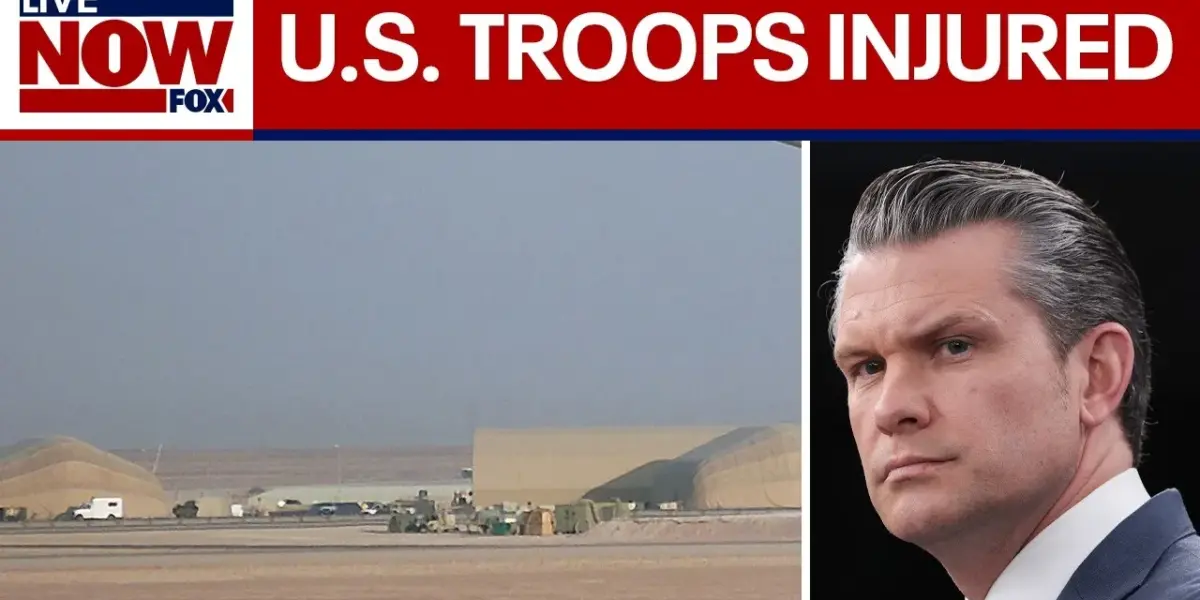
US Service Members Injured in Iranian Strike on Saudi Base
Multiple U.S. service members were injured, with two sustaining serious wounds, when an Iranian missile struck Prince Sultan Air Base in Saudi Arabia on Friday. The attack also damaged several U.S. refueling aircraft. The incident occurred as the Middle East conflict enters its fifth week, highlighting ongoing risks in the region.
Prince Sultan Air Base: A Key U.S. Asset
Prince Sultan Air Base, located in Saudi Arabia, has been a vital hub for U.S. military operations for many years. Retired Marine intelligence officer and national security analyst Hal Kemper described it as a “very capable, very robust air base” that the U.S. and Saudi Arabia have worked on collaboratively. While the base was temporarily vacated after 9/11 due to security concerns, it has since been re-established as a secure location. Kemper noted that the recent attack indicates a shift in threat assessment for the base, which was previously considered far from potential dangers.
Air Defense Effectiveness and Aircraft Vulnerability
The strike serves as a stark reminder that even advanced air defense systems are not foolproof. Kemper explained that while over 90% of incoming threats might be intercepted, the remaining percentage can still cause significant damage. “If they fire a lot of ballistic missiles, that means 10 of them are going to hit something,” he stated. The damaged aircraft were identified as KC-135s, essential refueling planes that enable longer-range strike missions. Kemper mentioned that about five of these valuable aircraft were on the tarmac when the strike occurred, and at least one sustained damage. He compared the potential impact to a past incident in Kuwait where a missile strike caused significant damage near troops.
U.S. Strategy and Diplomatic Messaging
The attack comes as Secretary Rubio stated that the U.S. can achieve its objectives in the region without deploying ground troops, predicting the operation’s conclusion within weeks. He also mentioned that the recent deployment of thousands of additional troops was intended to provide President Trump with more options. Kemper elaborated on the importance of maintaining flexibility in military strategy, referencing Sun Tzu’s philosophy of defeating an enemy without direct combat. He explained that having various capabilities present keeps adversaries guessing and unable to anticipate the next move. This approach involves a rapid decision-making cycle, using intelligence, surveillance, and reconnaissance assets to understand enemy thinking and keep them off balance.
The Role of Ground Force Threats
While Secretary Rubio suggested air power might be sufficient, Kemper emphasized the psychological impact of the *threat* of ground forces. He drew a parallel to the situation in the Balkans in 1999, where the potential for ground intervention, which eventually led to peacekeeping forces, was seen as crucial for achieving regime change. “By having certain capabilities present, it makes it very difficult, sometimes virtually impossible for them to anticipate where you’re going to strike next,” Kemper said. He believes the current strategy involves using the threat of ground troops to bolster air power and other means, aiming to destabilize adversaries like Iran.
Economic Pressures and War Costs
The conflict’s economic impact is also a significant consideration, particularly for the current White House, which has many members with business backgrounds. U.S. stocks have experienced their worst week since the war began, marking the fifth consecutive week of losses. Kemper noted that domestic economic concerns, like rising gas prices and stock market declines, heavily influence decision-making. He also highlighted the cost-effectiveness of the war effort. Initially, expensive weapon systems were used, but as air dominance grew in certain areas, less costly weapons became viable. “It makes it more cost-effective war,” he observed, emphasizing the close attention paid to the financial aspects, especially when using multi-million dollar missiles to counter much cheaper drones.
International Alliances and Iran’s Isolation
As the war nears its five-week mark, the question of Iran’s true allies has become more prominent. Russia recently sent a batch of medicines to Iran, a move Kemper described as having limited significance due to international laws protecting medical aid. He believes Russia can offer little substantial support. Notably, China, considered a major ally of Iran, has remained largely on the sidelines. Kemper pointed to the BRICS (Brazil, Russia, India, China, South Africa) alliance as appearing hollow in its ability to provide concrete support to members in such situations. This leaves Iran largely isolated, relying on its own resources.
Looking Ahead
The ongoing tensions and the recent attack underscore the volatile nature of the Middle East. Future developments will likely involve continued monitoring of U.S. military responses, the effectiveness of regional air defenses, and the diplomatic maneuvering of international powers. The economic repercussions of the conflict and the strategic decisions made by all parties involved will also remain crucial factors to watch.
Source: U.S. troops injured by Iranian strike in Saudi Arabia: Report (YouTube)

Related Articles
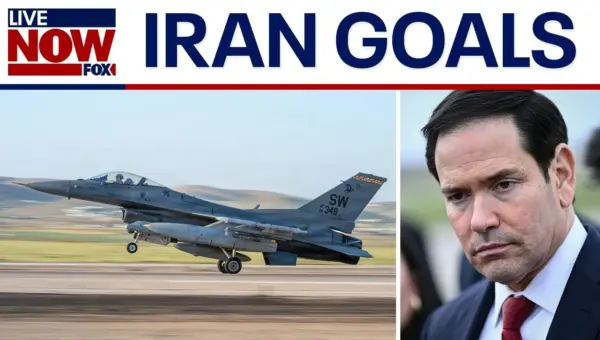
Rubio: US Can Achieve Iran War Goals Without Troops
Senator Marco Rubio outlined a strategy to counter Iran without deploying U.S. ground troops, focusing on weakening the regime and enhancing maritime security. He also criticized Cuba's economic system and expressed concerns about West Bank violence.


Israelis Forge Resilience Amidst Constant Bomb Shelter Drills
Life in Israel is a blend of resilience and constant vigilance, with many families adapting to frequent bomb shelter drills and even sleeping in makeshift shelters. Despite ongoing missile attacks, Israelis strive to maintain normalcy, though businesses face disruption and emotional fatigue is a growing concern.
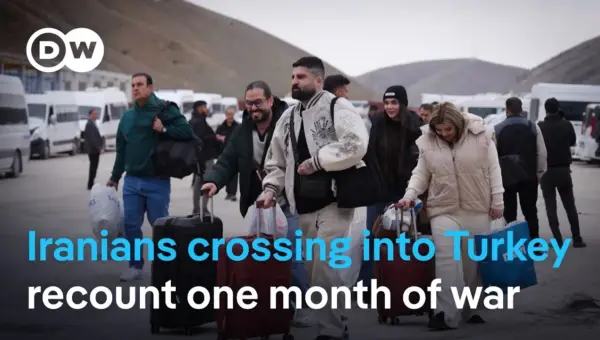
Iran War Exodus: Refugees Flee to Turkey Amidst Bombings
A train from Tehran brings refugees to Turkey, fleeing daily bombings and economic collapse. Many express deep fear for loved ones left behind, while some hold onto national pride and hope for victory. The conflict's impact is also felt economically in Turkey, with rising gas prices.