US Troops Surge as Iran Conflict Looms Again
US forces are surging into the Middle East amidst a fragile ceasefire with Iran. Heavy troop and equipment movements suggest preparation for renewed combat operations if diplomatic talks fail. The closure of the Strait of Hormuz remains a critical point of tension with significant global economic impacts.


US Forces Mobilize Amidst Fragile Ceasefire
As tensions simmer in the Middle East, the United States is making a significant military buildup. Combat troops and heavy transport planes are heading into the region in large numbers. This surge comes as the US and Iran recently began ceasefire negotiations in Pakistan. However, the ceasefire itself appears very fragile, raising concerns about a potential return to active combat operations.
Massive Military Airlift Underway
Heavy transport planes, like the C-17 Globemaster, are flying around the clock. These aircraft are carrying troops, vital equipment, and air defense systems. The goal is to resupply and rearm forces in the Middle East. This preparation suggests a strong expectation that the current ceasefire may not hold. The United States seems to be getting ready for renewed, intense military action against Iran, including potential heavy bombardment of targets.
Ground Troops and Naval Assets Arrive
Thousands of US troops, including those from the 82nd Airborne Division, are expected to arrive. Furthermore, the USS George H.W. Bush strike group and the 11th Marine Expeditionary Unit are en route. These naval assets, including another aircraft carrier, are about a week away from reaching the region. While the exact location of the 82nd Airborne troops is not public, reports indicate a surge in ground combat troops. Elite units like Delta Force and SEAL Team 6 are already present, having played a role in a recent rescue operation. The arrival of so many highly trained forces suggests a belief that the peace talks will fail.
Strait of Hormuz Remains a Flashpoint
A key point of contention is the Strait of Hormuz, a vital shipping lane. While President Trump announced it was open, reports indicate it remains effectively closed to most traffic. Only ships friendly to Iran and paying tolls are reportedly allowed through. This situation significantly impacts global energy markets and international trade. Experts suggest that even after the strait reopens, the economic fallout could last for months, potentially until late in the year. The US is focused on finding a way to reopen this critical waterway.
Negotiations and Escalation Concerns
Talks between the US and Iran are happening in Pakistan, with an Iranian delegation led by Parliament Speaker Kalabaf present. However, Iran has reportedly stated that negotiations are conditional on its demands being met. Meanwhile, Israeli news outlets report that the Israeli Defense Forces (IDF) are preparing for the collapse of these negotiations and a potential return to war. Iran is reportedly redeploying air defense systems and restoring access to underground missile sites, signaling readiness for conflict.
Regional Instability and Attacks
The situation in Iraq remains tense, with heavy fighting continuing even during the ceasefire. There have been multiple attacks, including ambushes on diplomats and drone strikes on US locations. Kuwait also reported injuries and significant damage from a drone attack that occurred after the ceasefire was announced. This suggests that Iran-backed groups may be continuing their actions despite the ongoing diplomatic efforts.
Iranian Military Actions
Recent incidents highlight ongoing military activity. Iran’s IRGC Navy suffered a significant blow when its floating base vessel, the Shahid Madavi, was torpedoed. The attack destroyed its engines and command systems, likely rendering the ship inoperable. Additionally, the IDF intercepted a smuggling drone near the Jordanian border. French helicopters have also been filmed taking down Iranian drones during combat operations, further illustrating the volatile security environment.
Future Outlook: War or Peace?
With US troops mobilizing, President Trump vowing to use significant military force, and key waterways remaining closed, the signs point towards a potential escalation. The expectation on the ground seems to be a return to war if negotiations fail. The coming days and weeks will be critical in determining whether diplomacy can avert further conflict in the region.
Why This Matters
The current military buildup and the fragile ceasefire have major implications. A full-scale conflict would not only destabilize the Middle East further but also significantly impact global oil prices and international trade. The potential for heavy casualties on all sides is a stark reality. The situation highlights the complex geopolitical challenges and the delicate balance of power in the region. The world is watching to see if diplomacy can prevail or if the region is headed towards another devastating war.
Historical Context
Tensions between the US and Iran have a long history, marked by periods of direct confrontation and proxy conflicts. The Strait of Hormuz has been a recurring point of tension, with Iran threatening to close it in the past. This current situation echoes previous escalations, but the scale of the current military preparations suggests a potentially more serious confrontation if talks break down. Past conflicts in the region have shown the devastating human and economic costs, making this a critical moment for de-escalation.
Implications and Trends
The heavy reliance on air power and advanced weaponry by both sides suggests a continuation of modern warfare tactics. The involvement of elite special forces units also points to the targeted nature of potential operations. The economic impact of closing the Strait of Hormuz demonstrates the interconnectedness of global security and energy markets. The ongoing drone warfare and the use of floating bases by Iran show evolving military capabilities. The international community’s role in mediating such disputes remains crucial.
Future Outlook
The immediate future hinges on the success of the ongoing negotiations. If talks collapse, the US military appears ready to respond with significant force. The reopening of the Strait of Hormuz is a key economic and strategic goal that will likely shape future actions. The long-term outlook depends on whether diplomatic channels can be sustained and if underlying political issues can be addressed. The potential for a prolonged period of high tension and sporadic conflict remains a distinct possibility.
Source: U.S. Troops RUSH To Middle East: Iran INVASION Imminent? (YouTube)

Related Articles


Iran Talks Stall: US Threatens Military Action, Cuba Awaits Fate
High-stakes U.S.-Iran talks in Pakistan face uncertainty as Iran demands a Lebanon ceasefire and sanctions relief, while President Trump threatens military action. Cuba's President vows to defend the revolution, expressing fears of becoming a U.S. "conquest" amidst regional tensions.

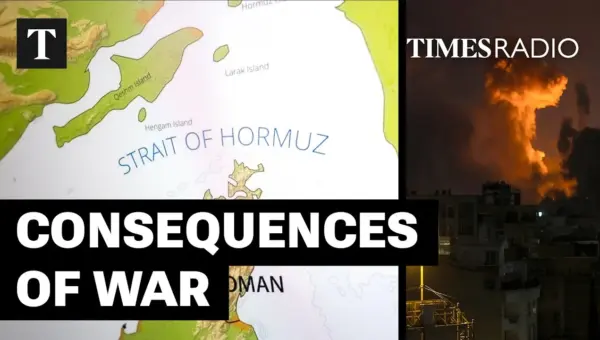
Iran Gains Strait of Hormuz Control Amidst War
Top US officials are traveling to Pakistan for critical talks with Iran, facing preconditions including a ceasefire in Lebanon and the release of blocked assets. Iran's de facto control over the Strait of Hormuz has emerged as a significant leverage point in the escalating regional tensions. The negotiations are expected to be tough, with both sides holding firm positions on key issues.

NATO Allies Urged to Step Up Support for US
Retired Navy SEAL Mike Cirelli urges NATO allies to increase their support for U.S. international efforts, citing delays in crucial operations. NATO's chief acknowledges past slow responses, while Cirelli emphasizes the need for allies to take greater responsibility for global security, especially concerning energy supplies.