US Troops Show Unwavering Resolve in Fight Against Iran
U.S. troops on Operation Epic Fury exhibit remarkable unity, competence, and urgency in their mission against Iran. Facing challenges with innovation and determination, they prioritize finishing the fight for future generations. The operations aim to degrade Iran's military capabilities and prevent nuclear proliferation, signaling a decisive period ahead.

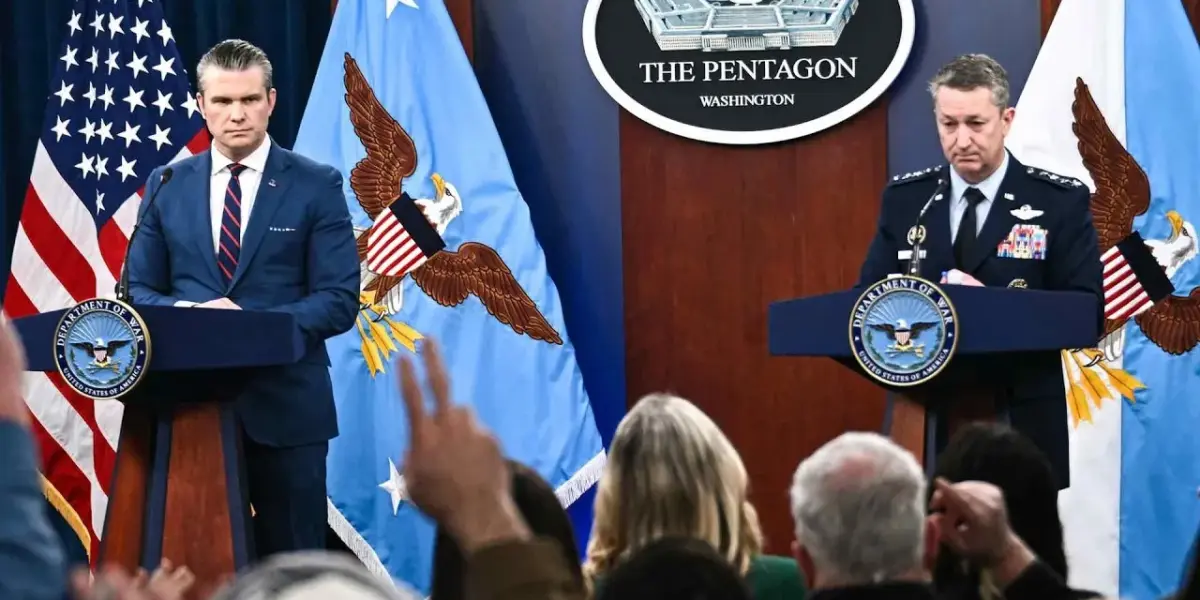
US Troops Show Unwavering Resolve in Fight Against Iran
A recent visit to troops involved in Operation Epic Fury revealed a powerful display of American dedication and capability. During a brief, security-conscious trip, the focus was on witnessing the spirit and effectiveness of the soldiers, airmen, and sailors on the front lines. The experience highlighted a deep sense of unity, competence, and a clear commitment to their mission.
A Force United and Competent
The troops encountered were described as warriors, a mix of active duty, National Guard, and Reserve personnel. They shared a common bond, driven by their love for each other and a shared purpose. This unity was evident in their focused execution of duties. One striking example was a private first class who calmly identified an incoming enemy missile trajectory to a room full of officers. This alert allowed for the successful interception of two enemy missiles, showcasing the seamless coordination and high stakes of their operations.
Pilots from the Air Force and Navy are constantly engaged, both launching strikes deep into Iran and defending their bases from drones. Many had just returned from combat missions, highlighting the daily challenges they face. The intensity of their work was palpable, with crews described as being “locked and loaded” every single day.
Ingenuity and Lethality in Action
American ingenuity is a key factor in the success of Operation Epic Fury. A young army officer developed a method to neutralize maneuvering enemy missiles, a breakthrough that saved lives and was met with celebration in the operations center. Similarly, an Air Force intelligence analyst is rapidly refining target packages, staying ahead of enemy adaptations. These examples point to a force that is not only skilled but also innovative under pressure.
The troops also demonstrated significant lethality. An Army targeting team successfully sank a key vessel of the Iranian Navy, a feat proudly displayed with images of destroyed enemy ships in their fighting positions. The urgency of wartime operations was also evident. Upon landing, another aircraft arrived shortly after, and its cargo was being unloaded within 30 seconds. This reflects a mindset focused on speed and efficiency, a stark contrast to previous long-term deployments.
A Mission-Driven Mindset
Unlike past deployments in Iraq and Afghanistan, where missions sometimes felt indefinite, Operation Epic Fury is characterized by a clear urgency to complete the job. The troops expressed a desire to finish the mission and achieve success, rather than focusing on rotation schedules. This mission focus was not staged or rehearsed; it was genuine. Wandering through different units revealed a spirit of motivation and an “American warrior unleashed” attitude. This comes from facing a determined enemy with a well-defined objective.
When asked what they needed, the troops consistently asked for more and bigger bombs, and more targets, rather than expressing desires for better equipment or easier conditions. They want to finish the fight for future generations. This sentiment was echoed by Air Force captains who, despite being friendly-fired early in the conflict, returned to drop bombs over Iran. They understand the threat of Iran obtaining nuclear weapons and are committed to preventing it.
Strategic Advantage and Future Outlook
The current administration’s approach, described as action-oriented rather than just talk, has led to an increase in American firepower and a decrease in Iran’s. This has created more options for the U.S. while limiting Iran’s. In just one month, the U.S. has set the terms of engagement. Iran’s military options are significantly reduced, and while they may still launch missiles, they are being shot down.
Recent intelligence shows a decline in Iranian missile and drone activity, with successful strikes damaging morale and leading to desertions. The destruction of command bunkers and the disruption of their communication networks are weakening Iran’s ability to operate. The U.S. is conducting numerous dynamic strikes, targeting new threats identified in real-time, in addition to pre-planned objectives. While Iran has restricted internet access, limiting visibility of U.S. actions, the message is clear: Iran should negotiate.
A Call for Peace Through Strength
The administration emphasizes that President Trump does not bluff and is committed to a deal, the terms of which Iran is aware. If Iran is unwilling to negotiate, the U.S. will continue its operations with even greater intensity. The briefing concluded with a prayer for the safety and well-being of the troops, acknowledging their sacrifices and dedication.
Honoring a Legend
In a poignant moment, the briefing also paid tribute to Colonel Clarence Eml Bud Anderson, a World War II flying ace who passed away at 102. His burial at Arlington Cemetery, marked by a flyby of F-35s and P-51 Mustangs, honored his extraordinary service. Colonel Anderson, who served from 1942 to 1972, represented the “Greatest Generation” and their enduring example of service. His legacy, along with that of all fallen soldiers, continues to inspire the ongoing mission.
Why This Matters
The events described underscore a critical moment in international relations. The unwavering resolve of U.S. troops, coupled with innovative tactics and a clear strategic objective, demonstrates America’s commitment to stability in the region. The focus on preventing Iran from acquiring nuclear weapons remains paramount. The troops’ desire to finish the mission reflects a generation willing to bear the burden of security for the sake of future peace. The current operational tempo and the administration’s assertive stance suggest a decisive period ahead, where diplomatic solutions are encouraged but military readiness is at its peak.
Implications and Future Outlook
The situation highlights a shift towards more direct and decisive military action, contrasting with prolonged, less defined conflicts of the past. The success in degrading Iran’s military capabilities and morale suggests a strategic advantage is being gained. However, the ongoing nature of these operations means continued vigilance and potential for escalation. The emphasis on negotiation, backed by military strength, indicates a strategy aimed at achieving a lasting resolution, but the path forward will likely remain challenging.
Historical Context
The current operations can be seen as a continuation of decades-long efforts to manage Iran’s regional influence and nuclear ambitions. Previous administrations have employed various strategies, from sanctions to diplomatic engagement. The current approach appears to combine robust military action with a clear diplomatic endgame. The mention of Colonel Anderson also serves as a reminder of past generations of warriors and the enduring spirit of American military service through different eras of conflict.
Source: LIVE: Secretary Hegseth, General Caine Hold Briefing on Iran (YouTube)

Related Articles


Gulf Allies Urge Trump to Continue Iran Conflict
U.S. allies in the Persian Gulf are urging President Trump to intensify military action against Iran, believing Tehran has not been sufficiently weakened. The ongoing conflict raises concerns about regional stability and global energy prices, while questions linger about the administration's long-term strategy.

Middle East Conflict Sends Gas Prices Soaring Past $4
The national average gas price has surpassed $4 per gallon for the first time since 2022, driven by escalating conflict in the Middle East. Recent attacks on oil tankers and military strikes have heightened fears of energy supply disruptions, impacting consumers globally.
US Weighs Troop Deployment Amid Iran Deal Push
The U.S. is considering deploying ground troops to Iran while simultaneously pushing for a diplomatic deal to reopen the Strait of Hormuz. Air strikes are ongoing as President Trump increases pressure on Iran.