US Troop Buildup in Middle East Raises Alarms Amid Shifting Alliances
Thousands of U.S. troops are being deployed to the Middle East amid rising tensions after a vital radar aircraft was destroyed. Questions linger about Russia's alleged role in the attack and President Trump's conflicting policies towards Russia and Iran. The strategic purpose of the troop buildup and the potential for further conflict remain unclear.

US Troop Buildup in Middle East Raises Alarms Amid Shifting Alliances
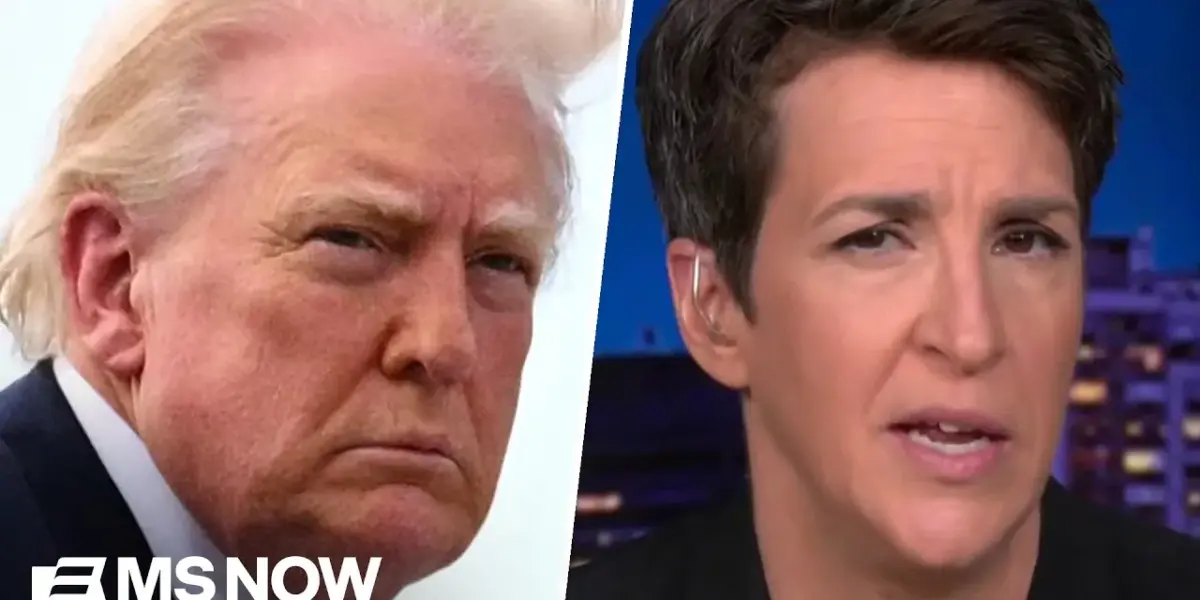
In a dramatic escalation of tensions in the Middle East, the United States has deployed thousands of troops, including elite special forces, to the region. This move comes as a vital U.S. radar aircraft was destroyed in a targeted attack, raising serious questions about intelligence, protection, and the overall strategy behind the escalating conflict. The situation is further complicated by reports suggesting Russia played a role in the attack and by President Trump’s seemingly contradictory actions regarding sanctions on Russian oil and support for Cuba.
Critical Assets Lost in Targeted Attack
A key piece of American military technology, an AWACS (Airborne Warning and Control Systems) E3 Sentry aircraft, was destroyed in an attack on the Prince Sultan air base in Saudi Arabia. These aircraft, costing around $300 million each, are crucial for air dominance, acting as the “eyes in the sky” with a powerful radar system capable of detecting targets up to 250 miles away. The loss of this strategically vital and rare asset, along with the wounding of a dozen U.S. troops, has sparked urgent inquiries into how the base and its valuable equipment were left vulnerable.
Russia’s Alleged Role and Shifting Sanctions
Adding a dangerous layer to the conflict, Ukrainian President Volodymyr Zelensky stated in an interview with NBC News that Russia, not Iran, was responsible for identifying the location of the unprotected U.S. aircraft. Zelensky shared intelligence indicating Russian satellites had photographed the Saudi airbase multiple times in the week before the strike. Despite this intelligence, which suggests Russian complicity in attacks on U.S. assets, President Trump has reportedly taken actions that appear to benefit Russia. These include cutting sanctions on Russian oil twice and, more recently, allowing a Russian oil tanker to pass through a U.S. blockade to deliver fuel to Cuba.
“The reality is I just don’t think he knows what he’s doing. It seems like he launched this war thinking that Iran would capitulate quickly, and he’d have some quick win… And anybody that has done any war games or looked at Iran would know that that would not be the case, that this is a deep regime that would resist and it would lash out across the region as they have.”
Massive Troop Deployments and Strategic Uncertainty
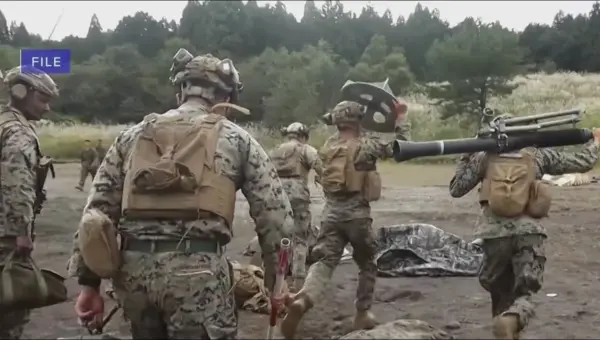
Over the weekend, thousands of troops from the U.S. Army’s elite 82nd Airborne Division arrived in the Middle East, bringing the total U.S. troop presence in the region to over 50,000. Reports suggest President Trump wants to send an additional 10,000 troops, including special operators like Navy SEALs. However, the strategic purpose behind these significant deployments remains unclear. Ben Rhodes, former Deputy National Security Adviser, expressed concern over the apparent incoherence between the president’s actions and his stated goals, noting that Trump has a history of not deploying troops without intending to use them.
Potential Missions and High Risks
Rhodes outlined several potential, high-risk missions for the deployed troops. These include securing Iran’s remaining nuclear fuel stockpile, attempting to open the Strait of Hormuz – a mission considered incredibly difficult due to mountainous terrain and expected Iranian resistance – or seizing islands like Karg, which are key to Iran’s energy exports. Each of these scenarios carries a significant risk of direct confrontation with Iranian forces, potentially leading to further escalation.
Economic Ramifications and Geopolitical Chessboard
The conflict also has significant global economic implications. The Strait of Hormuz, through which 20 percent of the world’s fossil fuel energy passes, has been effectively controlled by Iran, impacting global energy markets. The U.S. response, including troop deployments, has consumed its attention, potentially weakening its stance in other global conflicts, such as the war in Ukraine. Meanwhile, Russia, according to Rhodes, appears to be benefiting economically and geopolitically, able to point to U.S. actions as justification for its own international conduct.
Uncertainty Surrounds Future Actions
The situation remains highly fluid, with questions about President Trump’s ultimate objectives and the intended use of the deployed forces. The apparent disconnect between military actions and diplomatic overtures, coupled with concerning intelligence regarding Russian involvement and seemingly favorable treatment of Russia, creates a deeply uncertain and potentially volatile environment. The coming weeks will be critical in determining whether these deployments lead to de-escalation or further conflict.
Source: Trump undercuts his own dealmaking with troop deployment guessing game, bad faith track record (YouTube)

Related Articles

Gulf Allies Urge Trump to Continue Iran Conflict
U.S. allies in the Persian Gulf are urging President Trump to intensify military action against Iran, believing Tehran has not been sufficiently weakened. The ongoing conflict raises concerns about regional stability and global energy prices, while questions linger about the administration's long-term strategy.

Middle East Conflict Sends Gas Prices Soaring Past $4
The national average gas price has surpassed $4 per gallon for the first time since 2022, driven by escalating conflict in the Middle East. Recent attacks on oil tankers and military strikes have heightened fears of energy supply disruptions, impacting consumers globally.
US Weighs Troop Deployment Amid Iran Deal Push
The U.S. is considering deploying ground troops to Iran while simultaneously pushing for a diplomatic deal to reopen the Strait of Hormuz. Air strikes are ongoing as President Trump increases pressure on Iran.