US Tightens Iran Stranglehold Amid Border Security Fears
The U.S. ramps up pressure on Iran with military deployments and economic threats, while domestic concerns grow over border security and the impact of sanctuary city policies. The situation highlights complex geopolitical challenges and internal political divisions.

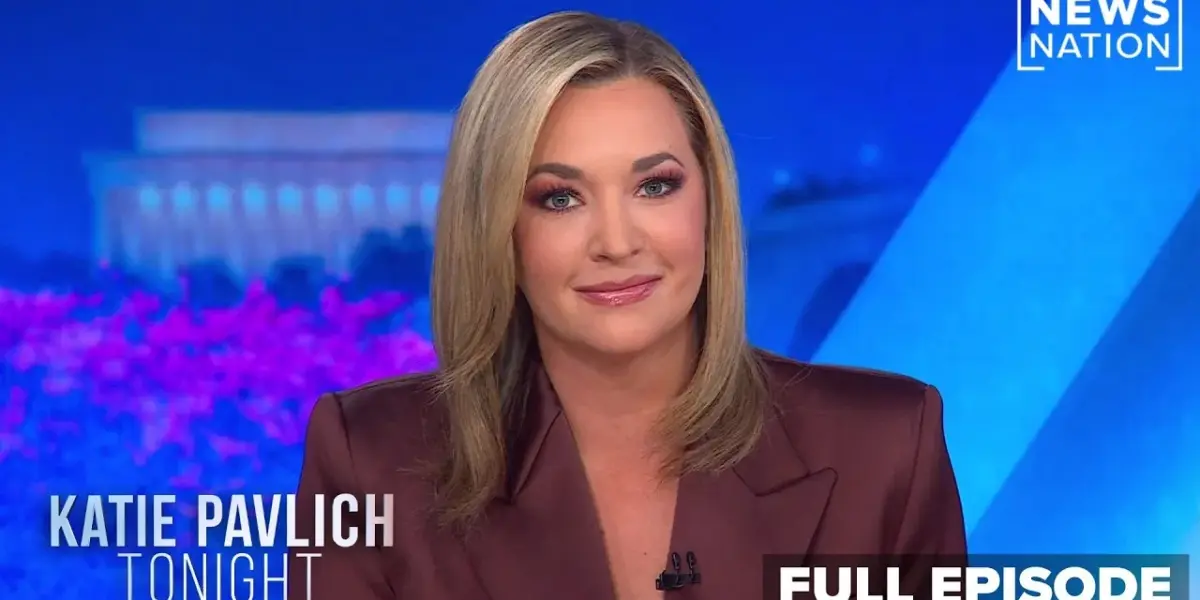
US Escalates Pressure on Iran, Worries Mount Over Border Security
The United States has launched a significant military and economic campaign against Iran, marking one month since Operation Epic Fury began. President Trump has issued clear demands, including the reopening of the Strait of Hormuz, a vital waterway for global oil trade. He has warned of severe consequences, threatening to destroy Iran’s energy and water infrastructure if a deal is not reached quickly. The U.S. military presence in the region has grown substantially, with the 82nd Airborne Division recently arriving, bringing the total number of American troops in the Middle East to over 50,000.
Iran’s Nuclear Program and Potential Military Actions
Beyond the Strait of Hormuz, Iran’s nuclear program, particularly its uranium resources, remains a key concern for the U.S. Experts suggest that potential military operations could involve ground troops. This possibility is being discussed in light of President Trump’s past comments and the large number of potential targets identified. The Pentagon’s strategy remains somewhat unclear, but the deployment of troops indicates a readiness for various scenarios.
Diplomatic Efforts and Internal Iranian Dynamics
President Trump has repeatedly mentioned the possibility of a deal with Iran, but the question of who to negotiate with remains complex. The Iranian regime faces internal challenges, and it’s unclear if negotiations would involve current leadership or potentially exiled opposition groups. There are concerns that the U.S. might be engaging with elements of the Iranian regime, such as Iran’s parliament speaker, who has a history of suppressing protests and is a former member of the Islamic Revolutionary Guard Corps. Analysts worry this approach could lead to a political reshuffle rather than genuine change, especially given the Iranian population’s potential desire for a different future.
Regional Alliances and International Support
While European allies have been hesitant to get involved, countries like the United Arab Emirates and Saudi Arabia are publicly and privately urging the U.S. to see its mission through. They emphasize that the Iranian regime has repeatedly shown it cannot be a reliable neighbor or negotiate in good faith. The closure of the Strait of Hormuz significantly impacts not only Iran’s economy but also global trade, including that of China, which relies heavily on oil transported through the Persian Gulf. A regional coalition is being pushed to present clear demands to Iran, covering military, political, and economic terms. If Iran does not comply, this coalition could provide stronger political backing for continued military action to weaken the regime.
Border Security and National Concerns
Separately, significant concerns are being raised about U.S. border security, particularly regarding the influx of individuals from Iran. Data shows that over 11,000 Iranian nationals were encountered at U.S. borders between 2021 and early 2025. A substantial number of these individuals were released into the country, with over 2,600 having final orders of removal but remaining. Reports indicate a high percentage of Iranian migrants are male, and many travel through countries like Venezuela and Brazil, known hubs for passport fraud. This situation has led to fears that individuals with potentially harmful intentions could have entered the U.S. undetected. The lack of comprehensive data sharing with countries like Iran makes vetting these individuals extremely difficult, leaving authorities with incomplete information.
Hezbollah-Inspired Attack and Sanctuary City Laws
Adding to national security worries, an attack on a Michigan synagogue has been confirmed by the FBI as inspired by Hezbollah, specifically targeting Jewish children. The perpetrator’s online activity revealed intent to cause mass casualties. This incident highlights the potential for foreign terrorist groups to influence individuals within the U.S. Furthermore, a tragic murder in Chicago, where an 18-year-old woman was allegedly killed by an undocumented immigrant, has brought renewed attention to the impact of sanctuary city policies. The suspect, who had previously been arrested for shoplifting, was reportedly released due to Chicago’s sanctuary laws. This case has sparked outrage and calls for stricter enforcement of immigration laws, with critics arguing that such policies endanger communities and that political leaders are failing to address the issue adequately.
Political Divide on Immigration and Protests
The discussion also touched upon political protests, with a debate on the nature of some demonstrations and their perceived alignment with communist or radical ideologies. There is a stark contrast in how these groups are viewed by different political factions. Some argue that the Democratic Party is too closely associated with these elements, while others contend that the focus should be on broader policy achievements and that such groups represent a small fringe. The debate highlights the deep divisions in American politics regarding immigration, national security, and the direction of social movements.
Global Impact and Future Scenarios
The escalating tensions with Iran, coupled with domestic border security concerns and the impact of immigration policies, present a complex geopolitical and domestic challenge. The U.S. strategy towards Iran, involving military pressure and economic sanctions, aims to achieve specific political outcomes. However, the risk of wider conflict and the potential for destabilization in the Middle East remain significant. Domestically, the debate over border security and sanctuary cities reflects a fundamental disagreement about national identity, security, and the role of government. The coming months will be critical in determining whether diplomatic solutions can be found with Iran and how the U.S. will address its internal security challenges.
Source: Iran tensions escalate; New Loyola murder theory revealed | Katie Pavlich Tonight Full Show 3/30 (YouTube)

Related Articles

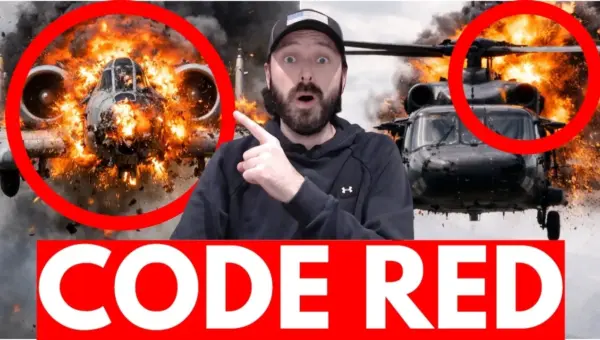
Iran Downs U.S. Jets, Strikes Helicopters in Escalating Conflict
Iran has shot down two U.S. jets and struck multiple helicopters during rescue operations, leading to U.S. retaliatory strikes. The status of a missing U.S. airman remains unknown amidst escalating conflict.
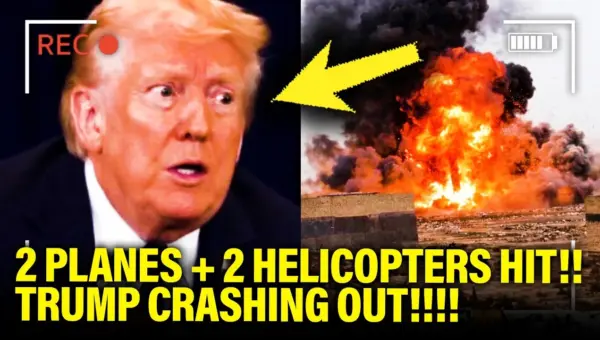
Iran Shoots Down US Aircraft Amidst Escalating Tensions
Multiple US aircraft, including fighter jets and helicopters, have reportedly been hit by Iran, challenging claims of air superiority. This escalation occurs amidst a diplomatic stalemate and intense rhetoric, raising serious questions about transparency and the path forward in US-Iran relations.

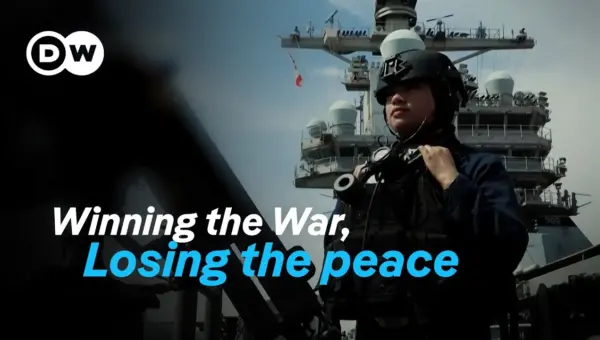
Iran War: Killing Leaders Won’t Topple Regime, Experts Warn
Experts warn that eliminating Iran's leaders may not be enough to topple the regime, suggesting a more complex strategy is needed. The ongoing conflict raises concerns about a prolonged, cyclical war rather than a decisive victory, especially with upcoming elections influencing political timelines.