US Tightens Grip: Iran Strait Blockade Sparks Global Oil Fears
The U.S. is threatening to block Iranian ports, a move that could severely disrupt global oil supplies. This action tests international law and puts major economies like China and India at risk of inflation. The standoff signals a potential shift in global power dynamics.

US Threatens Iran Strait Blockade, Shaking Global Oil Markets
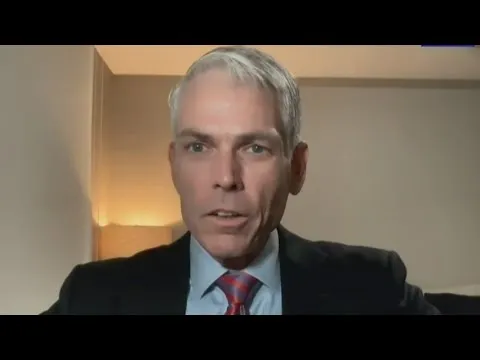
The United States is preparing to block Iranian ports starting Monday, a move that Iran says it will not accept. This action raises serious concerns about oil and gas supplies for major global economies like China and India. Defense technology investor and strategy adviser Paul Hayden Miller explains the situation, noting it’s a significant escalation that few expected.
Historical Context: The Right to Passage
Miller points out that international agreements, discussed after World War II and finalized in the early 1980s, guarantee passage for all countries through key global waterways. The U.S. has always supported this right. However, the U.S. has never officially signed or ratified this specific agreement. This means the U.S. can take actions like closing a strait without technically breaking international law, even though it has not done so before.
Iran’s Reaction and Global Repercussions
Iran has stated it will not surrender to this blockade. Miller predicts two main reactions. First, many countries will likely protest loudly, accusing the U.S. of violating international law. Second, and perhaps more importantly, China and India could quickly face rising prices for oil and gas. This is because these countries depend heavily on shipping these resources through the strait.
Trump’s Negotiating Stance
President Trump has expressed confidence that Iran will return to negotiations and “give us everything we want.” He stated, “I want everything. Not 90%, not 95%. I told them I want everything.” Miller explains that this is a common tactic in tough negotiations. It’s a way to set a high starting point, showing you are firm and not willing to compromise easily. This aggressive stance is meant to be taken very seriously by Iran.
Economic Pressure and Iran’s Options
The U.S. blockade would immediately hurt Iran financially. Tankers would stop paying fees to pass, and Iran would be unable to export its own oil. At the same time, Iran’s major customers, like China and India, would suffer economically from a lack of supply. This creates significant pressure on Iran to negotiate. Miller believes Iran has few options left, and this blockade is its last major bargaining chip.
A Third Choice: Wait and See
Miller suggests the U.S. doesn’t necessarily have to choose between escalating or negotiating right away. He proposes a third option: waiting. By drawing a line and stating they will play by similar rules to those Iran might use, the U.S. can apply pressure. This tactic means that if Iran wants to restrict passage, the U.S. can restrict it for everyone. This forces both sides to feel the economic pain, potentially pushing them toward talks.
The IMF Meeting and Global Pressure
A key event to watch is an upcoming International Monetary Fund (IMF) meeting. Discussions will include something called SDRs, which are like global insurance for countries to exchange their money for hard currency like the U.S. dollar. If many countries suddenly appear to need financial help, it could signal widespread international pressure on both the U.S. and Iran to find a solution and negotiate.
Duration of the Blockade
Miller believes the situation is unlikely to be resolved quickly. Neither side can afford to back down easily. The longer the blockade lasts, the stronger the U.S. position becomes because it can afford to wait. He anticipates the situation will likely take weeks, not days, to resolve. This prolonged tension could lead to growing frustration and concern among the American public, as well as economic hardship for consumers globally, similar to how rising food and fuel costs have impacted public sentiment in other countries.
Global Impact: Why This Reshapes the World Order
This confrontation over a vital shipping lane highlights the ongoing struggle for control over global energy routes. It tests international maritime law and the U.S. position as a global power. The potential disruption to oil supplies could trigger inflation worldwide, impacting economies from Asia to Europe. It also forces major powers like China and India to carefully consider their alliances and economic stability in the face of such actions. The situation underscores how interconnected global markets are and how a regional conflict can have far-reaching economic and political consequences for the entire world order.
Source: NewsNation Live (YouTube)

Related Articles


Ukraine’s Drones Expand ‘Kill Zone,’ Rattling Russia
A Russian military blogger's questions about winning the war highlight Ukraine's expanding drone 'kill zone.' This zone, now 40-50 km deep, makes Russian troop movements and supply lines vulnerable. Ukraine's increasing quantity and quality of drones are inflicting heavy losses and shifting battlefield momentum.
US Navy Blockades Strait of Hormuz, Targets Iranian Tolls
The U.S. Navy has initiated a blockade of the Strait of Hormuz, targeting vessels paying Iranian transit tolls. This move aims to cut off Iranian revenue and follows failed diplomatic talks. The action carries significant geopolitical risks, particularly concerning potential Chinese involvement.


Iran Threatens US Navy Amid Escalating Tensions
Iran is threatening to bomb U.S. naval ships near the Strait of Hormuz amid a significant U.S. military buildup. Diplomatic talks have stalled on key issues like nuclear enrichment and regional security, increasing the likelihood of renewed conflict.