US Tightens Grip, Eyes Regime Change in Iran
John Bolton argues that the recent ceasefire with Iran was a mistake and advocates for a renewed military strategy. His proposal includes reopening the Strait of Hormuz and maintaining a blockade on Iranian oil to pressure the regime, with the ultimate goal of regime change.

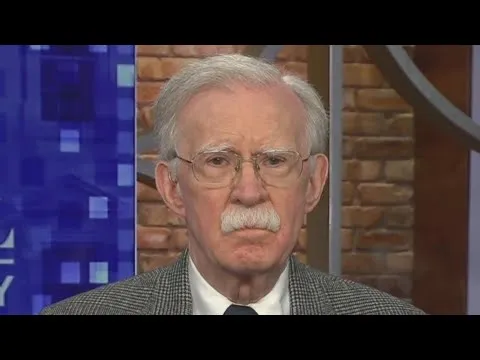
Bolton Argues for Blockade, Regime Change in Iran
John Bolton, former National Security Advisor to President Trump and U.S. Ambassador to the United Nations under George W. Bush, believes the current approach to Iran is flawed. He argues that a ceasefire was a mistake, giving Iran time to recover. Bolton advocates for a strong military stance, including reopening the Strait of Hormuz to allow Gulf Arab oil to flow freely. He also supports a continued blockade on Iranian oil exports.
China and Russia’s Stakes in Iran
Bolton highlights the significant interest China and Russia have in Iran’s success. He notes that China has supplied Iran with anti-ship rockets and may be providing shoulder-fired missiles. According to Bolton, these nations have a vested interest in Iran winning its current conflict. He suggests that pressuring Iran through oil blockades could also pressure China and Russia, as they would be denied access to Iranian oil.
Regime Change as a Strategic Goal
Bolton’s primary objective for U.S. policy towards Iran is regime change. He believes this would be a major victory for the United States and its allies in the Gulf, while significantly weakening Russia and China. He criticizes the idea that the CIA views regime change scenarios as unrealistic, recalling his own past efforts to persuade the Trump administration to pursue this goal. Bolton asserts that the Iranian people are largely against their current government and need outside support to organize and gain weapons.
Critique of Current Administration’s Approach
The article touches on reports suggesting the CIA director found regime change scenarios unrealistic. Bolton expresses surprise if President Trump considered a quick regime change, comparing it to a failed attempt in Venezuela. He points out that the United States may not be as committed to a prolonged path of regime change as Israel is. Bolton also criticizes the administration for not consulting with or aiding the Iranian opposition before starting recent hostilities, suggesting this was a missed opportunity to strengthen internal dissent.
Iran’s Strategy and Economic Pressure
The analysis suggests Iran’s strategy might involve waiting out domestic political opposition in the United States, especially concerning rising gas prices. Bolton counters this by stating that Iran is led by religious fanatics with a radical ideology, not driven by typical problem-solving motives. He believes Iran’s economy was already struggling before the conflict and is now in much worse shape. Bolton argues that this is the worst possible time for the U.S. to back away from pressure.
Bolton’s Proposed Solution: Oil Blockade and Strait of Hormuz
Bolton’s proposed solution involves using military force to reopen the Strait of Hormuz, ensuring Gulf Arab oil can be exported. Simultaneously, he advocates for continuing the blockade on Iranian oil exports. He believes this dual strategy would put immense pressure on Iran. Furthermore, he suggests this action would lead to a quick drop in global gasoline prices, as the world was experiencing an oil glut before the conflict began, which had driven prices down.
Global Impact and Historical Context
This situation connects to a long history of U.S.-Iran tensions, dating back to the 1953 coup and escalating with the 1979 revolution. The 2015 Iran nuclear deal, aimed at preventing Iran from developing nuclear weapons, is seen by some, including Bolton, as having failed to address Iran’s broader destabilizing activities. The current conflict and potential for regime change have wider implications, potentially reshaping the balance of power in the Middle East and influencing global energy markets. China and Russia’s involvement highlights a broader geopolitical competition between major world powers, with Iran becoming a focal point.
Future Scenarios
One scenario involves the U.S. successfully implementing Bolton’s proposed blockade and reopening the Strait of Hormuz, increasing pressure on Iran’s regime. Another scenario is Iran successfully weathering the storm, relying on its allies and hoping for a shift in U.S. domestic politics. A third scenario could involve a broader regional conflict if diplomatic efforts fail and military actions escalate. The likelihood of regime change depends heavily on internal Iranian dynamics and sustained international pressure, which remains uncertain.
Source: Ceasefire with Iran was a mistake, John Bolton says | The Hill Sunday (YouTube)

Related Articles

Ukraine Rejects US Ultimatum on Donbas: Allies Rally
Ukraine is reportedly prepared to reject U.S. demands for territorial concessions in Donbas, signaling greater independence from Washington. This stance, supported by European allies, comes as Russia maintains its maximalist demands. The situation mirrors past diplomatic pressures and highlights Ukraine's growing resilience.

Iran Blocked; Oil Prices Surge; Mideast Tensions Rise
President Trump has ordered a naval blockade of the Strait of Hormuz following failed negotiations with Iran. This move aims to pressure Iran over its nuclear program and has led to warnings of higher gas prices and increased regional tensions. Meanwhile, Israel escalates its efforts against Hezbollah ahead of crucial talks.

Canada Charts New Course, Challenges US Economic Ties
Canada is actively strengthening its economy and forging new global partnerships, signaling a potential shift in its relationship with the United States. This move challenges US economic ties and highlights Canada's unified approach to national development. The US may face consequences from reduced resource exports and increased costs for key materials.