US Threatens Media Over Leaks, Iran Acknowledges Pilot Rescue
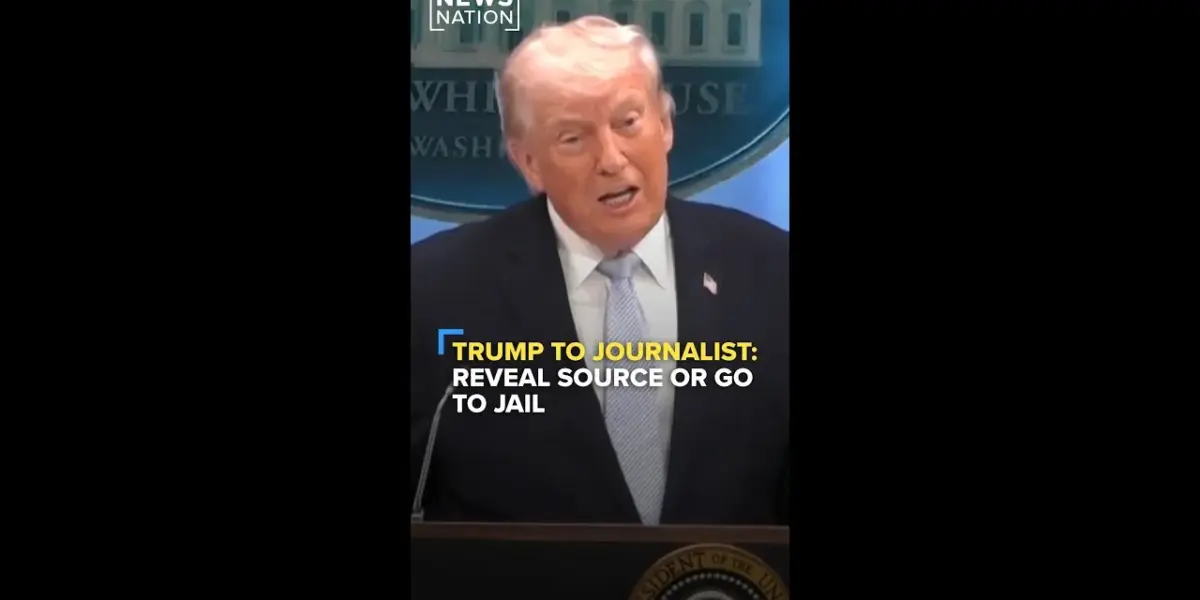
Former President Donald Trump has issued a direct threat to a journalist, demanding the identity of a source in a leak concerning a pilot rescue operation in Iran. The warning includes the possibility of jail time if the source is not revealed, citing national security concerns. This escalates tensions between the US government and the media over the protection of journalistic sources.

US Escalates Pressure on Media Over Leaks, Citing National Security
The United States has signaled a tougher stance against media leaks, with former President Donald Trump issuing a stark warning to a journalist and their news outlet. The core of the issue revolves around the disclosure of information concerning two military rescue operations. Trump stated that if the source of a leak is not revealed, the journalist and their media company could face legal action, including jail time.
This threat was made in the context of a specific incident where information about a pilot missing in Iran was allegedly leaked. According to the account, the leak revealed the pilot’s presence on Iranian soil, information that was not previously known to the public or, crucially, to Iran itself. The disclosure, Trump argued, put the pilot’s life at extreme risk by alerting the Iranian government to his location and predicament.
Motivations Behind the Threat
The primary motivation behind the US government’s (or its former leader’s) aggressive stance is national security. The argument is that unauthorized disclosure of sensitive operational details compromises ongoing missions and endangers personnel. By threatening legal action, the aim is to deter future leaks and identify the individual responsible for the breach. This approach prioritizes the protection of intelligence sources and operational integrity above journalistic protections for confidential sources.
For Iran, the situation highlights a potential intelligence gap and a successful operation by the US. While the transcript doesn’t detail Iran’s official response, the implication is that the leak allowed them to become aware of a critical situation within their borders. This could lead to increased surveillance, heightened security measures, and a potential crackdown on any internal elements that may have aided or been aware of the pilot’s presence.
The Role of Media and Leakers
Journalists often rely on confidential sources to report on critical issues, especially those involving government operations and national security. Whistleblowers and sources within government agencies may leak information to inform the public or to expose perceived wrongdoing. However, such leaks can have severe consequences, as demonstrated in this case, where the safety of an individual was directly impacted.
The US government’s position, as articulated by Trump, suggests a willingness to pursue legal avenues to compel the disclosure of sources. This puts media organizations in a difficult position, balancing their role as public watchdogs with the potential legal ramifications of protecting their sources. The phrase “National security, give it up or go to jail” encapsulates this high-stakes confrontation.
Historical Context of Leaks and National Security
The tension between government secrecy and the public’s right to know, often facilitated by media leaks, is a long-standing issue. Throughout history, governments have sought to control information flow, especially during times of conflict or geopolitical sensitivity. The US has a history of prosecuting individuals for leaking classified information, citing national security concerns.
However, the direct threat from a high-profile political figure to a journalist and their outlet, demanding the identity of a source under threat of imprisonment, represents a significant escalation. This approach challenges established norms regarding press freedom and the protection of journalistic sources, which are considered vital for a functioning democracy. The legal basis for such a demand, particularly concerning national security claims, is often complex and subject to intense debate.
Global Impact and Future Scenarios
This incident has broader implications for international relations and the practice of journalism globally. It signals a potential chilling effect on whistleblowers and journalists, who may become more hesitant to report on sensitive matters for fear of reprisal. This could lead to a less informed public and potentially weaken democratic oversight.
One scenario is that the US government, under future administrations, adopts a similar aggressive approach to leaks, leading to more frequent legal battles and increased government control over information. Another scenario is that public outcry and legal challenges push back against such tactics, reinforcing protections for journalistic sources. The outcome will likely depend on legal precedents, political will, and the ongoing debate about the balance between national security and transparency.
Source: Trump warns journalist: Reveal source or go to jail (YouTube)

Related Articles
US Air Power Strikes Iran, Warns on Strait of Hormuz
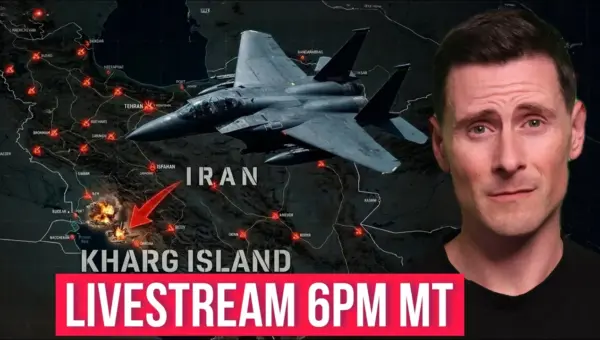
The U.S. military has conducted air strikes on Kharg Island, Iran, targeting military assets. This action follows President Trump's ultimatum for Iran to reopen the Strait of Hormuz. The U.S. warns of further infrastructure action if Iran fails to comply.

Republican Party’s Trump Era: A Reckoning Looms
A sharp critique argues the Republican Party is complicit in the nation's current struggles, urging voters to reconsider their support. The analysis questions the party's benefit to anyone but the wealthy, citing economic hardship as evidence.
Trump’s Iran Ultimatum: Civilization on the Brink?
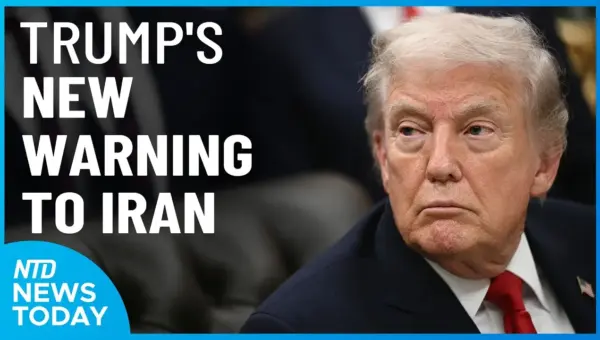
President Trump issued a dire warning to Iran with a Tuesday deadline for a deal, fearing "a whole civilization will die." U.S. strikes on Kharg Island occurred, but officials state U.S. strategy remains unchanged. This escalation highlights ongoing tensions and their global implications.