US Threatens Iranian Civilians: A Dangerous Escalation?
The U.S. faces scrutiny for threatening to strike Iranian civilian infrastructure like bridges and power plants. This escalates tensions and raises concerns about potential war crimes, especially after past promises of support to protestors went unfulfilled. Many Iranians in the U.S. fear these actions harm civilians, not liberate them.


US Threats Against Iran Spark War Crime Concerns
Recent statements and actions by the U.S. regarding Iran have raised serious questions about international law and the protection of civilians. One key concern is the repeated threat to strike civilian infrastructure. This includes targets like bridges, power plants, and desalination plants – essential services that ordinary Iranians depend on for daily life. Striking such facilities is not a new tactic, but the explicit targeting of non-military infrastructure raises alarms among international observers and human rights advocates.
A History of Promises and Peril
Back in January, a stark contrast emerged. Then-President Trump encouraged protests within Iran, promising protection. He said he would ensure demonstrators would not be harmed. However, when the Iranian people took to the streets, the government’s response was brutal. Reports indicate that around 37,000 people were killed by their own government. This led many to believe the U.S. would take action, but the focus has since shifted.
Shifting Justifications and Lingering Doubts
Initially, the U.S. stated its actions were aimed at liberation. However, this narrative appears to have faded. Now, the focus seems to be on crippling the nation’s ability to function. Comments from figures like Pete Hoekstra, suggesting a desire to send Iran “back to the Stone Age,” highlight a harsh approach. This rhetoric is deeply troubling, especially for Iranians living both inside and outside the country.
Diaspora’s Desperate Plea
Many Iranians residing in the United States are watching this situation with a heavy heart. They hoped for U.S. support in overthrowing their government. They wanted to believe that leaders like Trump were truly on their side. These individuals are now desperately asking for the U.S. to stop its current course of action. They fear that these policies will harm innocent people, not help them.
Uncaring Rhetoric and Real-World Impact
The painful truth, for many, is the realization that the perceived support may not be genuine. There is a growing belief that the U.S. leadership does not truly care about the well-being of ordinary Iranians. This sentiment stems from the disconnect between the promises of protection and the current threats against civilian lifelines. It raises a critical question: are U.S. actions truly aimed at helping the Iranian people, or are they serving other geopolitical interests?
Why This Matters
The potential targeting of civilian infrastructure by any nation, especially a global superpower like the U.S., carries immense weight. International humanitarian law, such as the Geneva Conventions, strictly prohibits attacks on civilian objects. Such actions can be considered war crimes, leading to severe legal and moral consequences. This situation highlights the delicate balance between geopolitical strategy and the fundamental rights of civilians in conflict zones. It also underscores the importance of clear, consistent, and compassionate foreign policy that prioritizes human lives over political gains.
Implications and Future Outlook
The current U.S. stance could have long-lasting repercussions. It risks alienating the very population it claims to support, potentially fueling resentment rather than fostering change. Furthermore, such rhetoric and potential actions set a dangerous precedent for international relations. It could embolden other nations to disregard civilian protections in their own conflicts. The future outlook depends heavily on whether the U.S. policy shifts towards de-escalation and a genuine commitment to international humanitarian law, or continues down a path of aggressive threats that endanger innocent lives.
Historical Context
The relationship between the U.S. and Iran has a long and complex history, marked by periods of cooperation and intense hostility. The 1953 coup, the 1979 revolution, and subsequent sanctions have created deep mistrust. Understanding this background is crucial to analyzing current events. Past U.S. interventions and support for the Shah’s regime are still remembered by many Iranians. This historical baggage often shapes how current U.S. actions and rhetoric are perceived by the Iranian population and its diaspora.
“He has repeatedly threatened to strike civilian infrastructure. He has said he will strike bridges, he will strike power plants, desalination plants, not military bridges, not military power plants if that’s even a thing.”
This direct quote from the transcript encapsulates the core of the concern. The explicit mention of civilian targets, not military ones, is what draws the line into question. It suggests a strategy that could inflict widespread suffering on the general population, regardless of their involvement in the conflict.
Source: Is the U.S. Crossing the Line in Iran? #politics #fyp #new (YouTube)

Related Articles

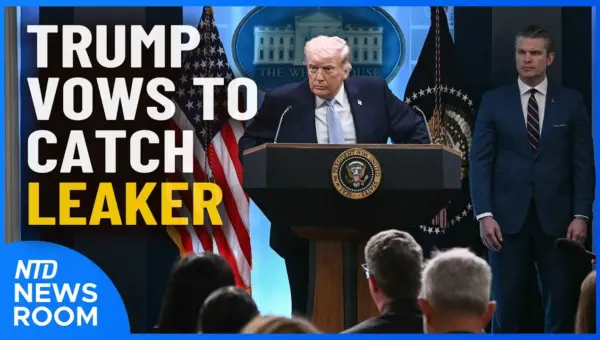
US Rescues Airmen, Escalates Tensions with Iran
The US successfully executed a complex rescue of two airmen from Iran, showcasing military prowess. However, this has led to escalating threats from President Trump, including a deadline for Iran to comply with demands or face widespread strikes on its infrastructure.


Trump’s Unhinged Threats Against Iran Spark War Crime Concerns
President Donald Trump's extreme threats against Iran over the Easter weekend, including targeting civilian infrastructure, have sparked widespread condemnation and warnings of potential war crimes. Military leaders and legal experts are deeply concerned about the president's rhetoric and its implications for U.S. law and global standing.


Trump’s Iran Threats: A Dangerous Escalation?
Donald Trump's recent Truth Social posts and interviews reveal a pattern of aggressive rhetoric towards Iran, including threats of destruction. This volatile approach raises concerns about potential escalation and international instability.