US Threatens Iran with ‘Worst Nightmare’ as Tensions Flare
President Trump has issued a stark warning to Iran, threatening its "worst nightmare" if a new deal isn't reached, as a deadline looms for reopening the Strait of Hormuz. The US is employing military pressure and a firm diplomatic offer to compel Iran to negotiate its nuclear ambitions, with global oil prices and regional stability hanging in the balance.

US Threatens Iran with ‘Worst Nightmare’ as Tensions Flare
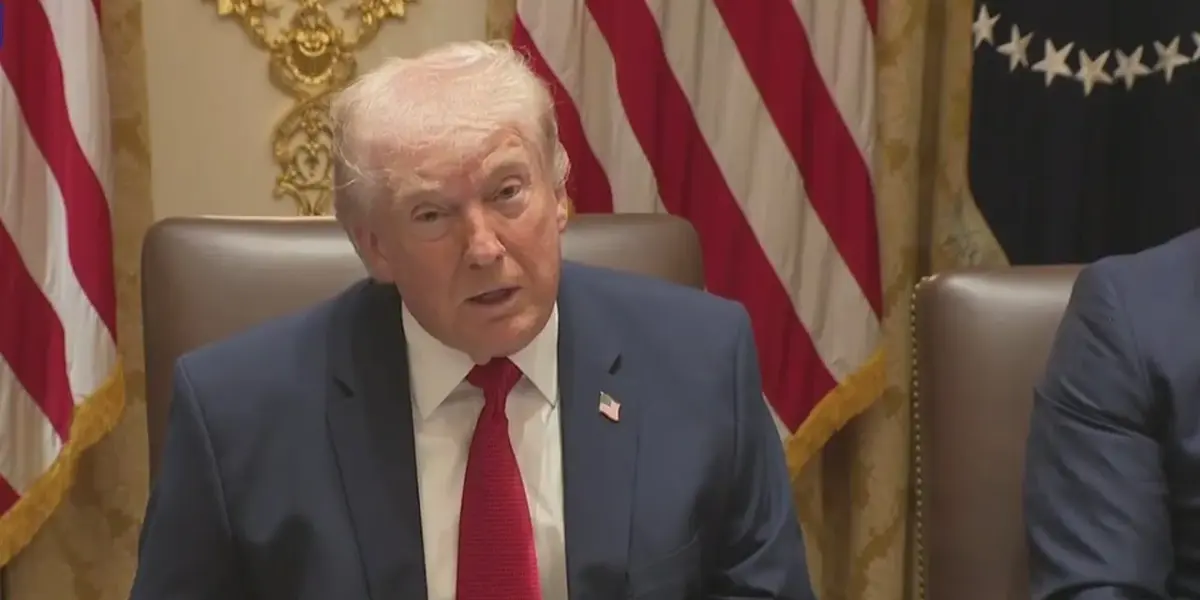
President Trump has issued a stark warning to Iran, threatening to inflict its “worst nightmare” if a new deal is not reached. This ultimatum comes as a deadline for reopening the Strait of Hormuz approaches, a critical shipping lane vital for global oil supplies. The tensions are escalating rapidly, with significant implications for energy markets and regional stability.
Escalating Pressure on Tehran
The United States is employing a strategy of intense pressure, including military actions, to force Iran to negotiate. President Trump stated his administration will continue to target Iran until a deal is made, emphasizing that the ball is now in Tehran’s court. This approach involves direct military strikes and a firm diplomatic stance, aiming to compel Iran to abandon its nuclear ambitions and chart a new course.
Military Actions and Targeted Eliminations
Recent actions underscore the seriousness of the US threat. Reports indicate that American forces have struck approximately 10,000 targets inside Iran. These strikes are specifically aimed at disrupting Iran’s ability to threaten the Strait of Hormuz. Adding to this pressure, an Israeli strike reportedly killed Iran’s top naval commander, part of a broader effort by the US and Israel to eliminate over a dozen of Iran’s top leaders since the conflict began. These targeted eliminations aim to cripple Iran’s leadership and its capacity to retaliate.
Diplomatic Channels and a ‘Take It or Leave It’ Offer
Despite the military escalation, diplomatic channels remain open, albeit under duress. Special Envoy Steve Witkoff confirmed that conversations with Iran are happening through mediators, notably Pakistan. A 15-point proposal has been delivered to Iran, described as a “take it or leave it” offer. This offer aims to permanently end Iran’s nuclear program and establish a new path forward. The US is determined to prevent Iran from miscalculating the situation again, signaling that negotiation is the only alternative to further conflict.
Global Impact: Oil Prices and Regional Stability
The escalating crisis directly impacts global energy markets. Gas prices have already risen more than 30% since the conflict began, largely due to the threat to the Strait of Hormuz, through which about 20% of the world’s oil supply passes. Any disruption to this vital shipping lane could lead to significant global economic consequences. The situation also poses a risk of wider regional escalation, with countries like Egypt expressing concern.
Historical Context and Shifting Alliances
The current standoff is rooted in long-standing geopolitical rivalries and Iran’s nuclear program, which has been a point of international contention for years. Past agreements, like the Joint Comprehensive Plan of Action (JCPOA), have attempted to curb Iran’s nuclear activities, but their effectiveness and sustainability have been debated. The current US administration’s “maximum pressure” campaign represents a significant departure from previous diplomatic efforts, prioritizing a confrontational approach.
Economic Leverage and Future Scenarios
Economic leverage plays a crucial role in this conflict. Sanctions have been a key tool used by the US to pressure Iran. The threat to energy infrastructure and trade routes is a direct economic weapon. Looking ahead, several scenarios are possible. One is a negotiated settlement, where Iran accepts the US proposal to de-escalate. Another is continued military escalation, potentially leading to a full-scale regional conflict. A third possibility is a prolonged period of heightened tension and sporadic conflict, with ongoing impacts on global energy markets.
Mediators Call for De-escalation
International mediators are urging for a swift resolution. Egypt’s Foreign Minister described the current moment as critical, hoping for a meeting that could be the last opportunity to de-escalate and avoid full-fledged war in the region. The urgency stems from the potential for miscalculation and the devastating consequences of a wider conflict, particularly given the strategic importance of the Strait of Hormuz and the global reliance on oil.
Source: Trump says US will be Iran’s ‘worst nightmare’ if deal isn’t reached | NewsNation Live (YouTube)

Related Articles


Iran Targets US With Cyberattacks, Escalating Digital Warfare
Iran is increasingly using cyberattacks to challenge the U.S., as seen in a recent hack of the FBI director's account. Experts say this is a strategic shift due to Iran's limitations in conventional warfare. The U.S. needs to strengthen its digital defenses, focusing on encryption and cloud computing, rather than solely relying on traditional security measures.

Iran Hacks FBI Chief, Exposing U.S. Cyber Vulnerabilities
A recent hack of FBI Director Kash Patel's personal email by an Iran-linked group highlights Iran's growing cyber threat to the U.S. Experts explain how simple security oversights are exploited, emphasizing the need for basic defenses like two-factor authentication to protect against propaganda and potential infrastructure attacks.

Ukraine Strikes Russian Oil Refinery, Eyes Iran Threat
Ukrainian forces struck a key Russian oil refinery, disrupting Moscow's war capabilities. Meanwhile, Finland's president urged continued U.S. support for Ukraine, as Kyiv shares its air defense expertise globally amid growing geopolitical complexities involving Iran and potential sanctions against Hungary.