US Threatens Iran with Invasion Amid Nuclear Talks
The U.S. is increasing military presence in the Middle East and signaling potential action against Iran's nuclear program. Pakistan is offering to mediate talks as a deadline approaches. The situation remains tense, with both diplomatic and military options on the table.

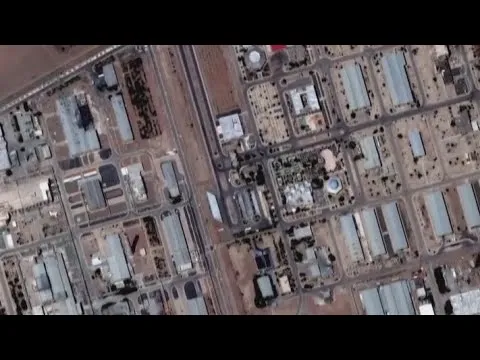
US Signals Military Action as Iran Nuclear Deadline Looms
The United States is sending a strong message to Iran, hinting at possible military action if Tehran does not give up its nuclear weapons program. President Trump stated that Iran cannot possess nuclear weapons. This warning comes as around 3,500 U.S. sailors and Marines arrived in the Middle East on the USS Tripoli. Reports suggest the President is considering a major ground operation inside Iran.
The U.S. military buildup includes Airborne Rangers and potentially 10,000 more ground troops. This significant deployment suggests the U.S. is preparing for serious action. However, it’s unclear if President Trump will authorize an invasion. This military show of force could also be a tactic to pressure Iran during negotiations.
Pakistan Steps In as a Key Mediator
Pakistan has offered to host talks between the U.S. and Iran. This move is significant because Pakistan, while having a sometimes difficult relationship with the U.S. since 2001, is still viewed as an ally. The U.S. military and Pakistan’s military have strong ties. The chief of staff of Pakistan’s army is reportedly involved in discussions between the two countries.
Pakistan has invited both the U.S. and Iran to hold direct talks on its soil. While there are no firm plans yet, Pakistan’s willingness to mediate makes it an important go-between. It’s possible that U.S. envoy for Iran, Brian Hook, is already talking with Iranian leaders through intermediaries like Pakistan, Egypt, or Turkey. These potential discussions aim to prevent Iran from developing nuclear weapons.
A Deadline and Uncertain Future
President Trump has set a deadline for Iran, extending an offer until next Monday, April 6. The goal is for Iran to give up its weapons and begin a new path. If Iran complies, the U.S. hopes it can lead to a better future for the country. The stakes are high, with the U.S. preparing for potential military intervention while also keeping the door open for diplomacy.
Analyzing the Military Buildup
The large number of U.S. troops heading to the Middle East is a strong indicator of potential military action. Sending these types of forces usually means they are intended for use. However, some analysts believe it could be a bluff. The U.S. might be using this show of strength to gain more power in negotiations. Taking control of areas like Kharg Island, a major oil export hub for Iran, would give the U.S. significant economic leverage.
Global Impact
This situation highlights the complex global struggle over nuclear proliferation and regional stability. The U.S. is trying to prevent a nuclear-armed Iran, which many countries see as a major threat. Iran, on the other hand, views its nuclear program as a matter of national security and sovereignty. The involvement of countries like Pakistan as mediators shows a wider international effort to avoid conflict.
Historical Context
The U.S. has had a tense relationship with Iran for decades, especially since the 1979 revolution. Past diplomatic efforts, like the 2015 Iran nuclear deal (Joint Comprehensive Plan of Action or JCPOA), have aimed to curb Iran’s nuclear program. However, the U.S. withdrew from the JCPOA in 2018, leading to increased tensions and sanctions. The current situation is a continuation of this long-standing dispute.
Economic Leverage
Iran’s economy heavily relies on oil exports. U.S. sanctions have significantly impacted Iran’s ability to sell oil and access international markets. By threatening military action, especially targeting key infrastructure like Kharg Island, the U.S. aims to increase economic pressure on Iran. This economic leverage is a key part of the U.S. strategy to force Iran to negotiate and comply with demands.
Future Scenarios
Several outcomes are possible. Iran could agree to negotiations and make concessions, leading to a de-escalation. Alternatively, negotiations could fail, and the U.S. might proceed with military action, which would have severe consequences for the region. A third possibility is a continued standoff, with ongoing military posturing and economic pressure. The decision rests heavily on President Trump’s ultimate choice regarding military intervention.
Source: What’s next for US-Iran negotiations? | Morning in America (YouTube)

Related Articles

Keane Urges Decisive Action Against Iran’s Nuclear Program
General Jack Keane advocates for decisive military action against Iran's nuclear program, citing intelligence that Iran is actively rebuilding its capabilities. He argues that diplomatic efforts have been insufficient and that military operations are needed to prevent Iran from gaining nuclear leverage. The situation is complicated by international dynamics and alleged support for Iran from Russia and China.


Zelenskyy Outmaneuvers Trump on Global Stage
Ukrainian President Zelenskyy is forging new defense and energy partnerships in the Middle East while strengthening European ties. This strategic diplomacy aims to secure Ukraine's future and counter Russian aggression, offering expertise in drone warfare. These moves come as former U.S. President Trump's policies are seen by some as benefiting Russia, creating a complex global security environment.

Rubio Sparks NATO Debate After Iran Conflict
Senator Marco Rubio has sparked a debate on the future of NATO, calling for a U.S. re-evaluation of the alliance after the recent conflict with Iran. Critics argue Rubio's stance contradicts his past positions, while former diplomats defend NATO's historical support for the U.S. and express concern over the current state of American diplomacy.